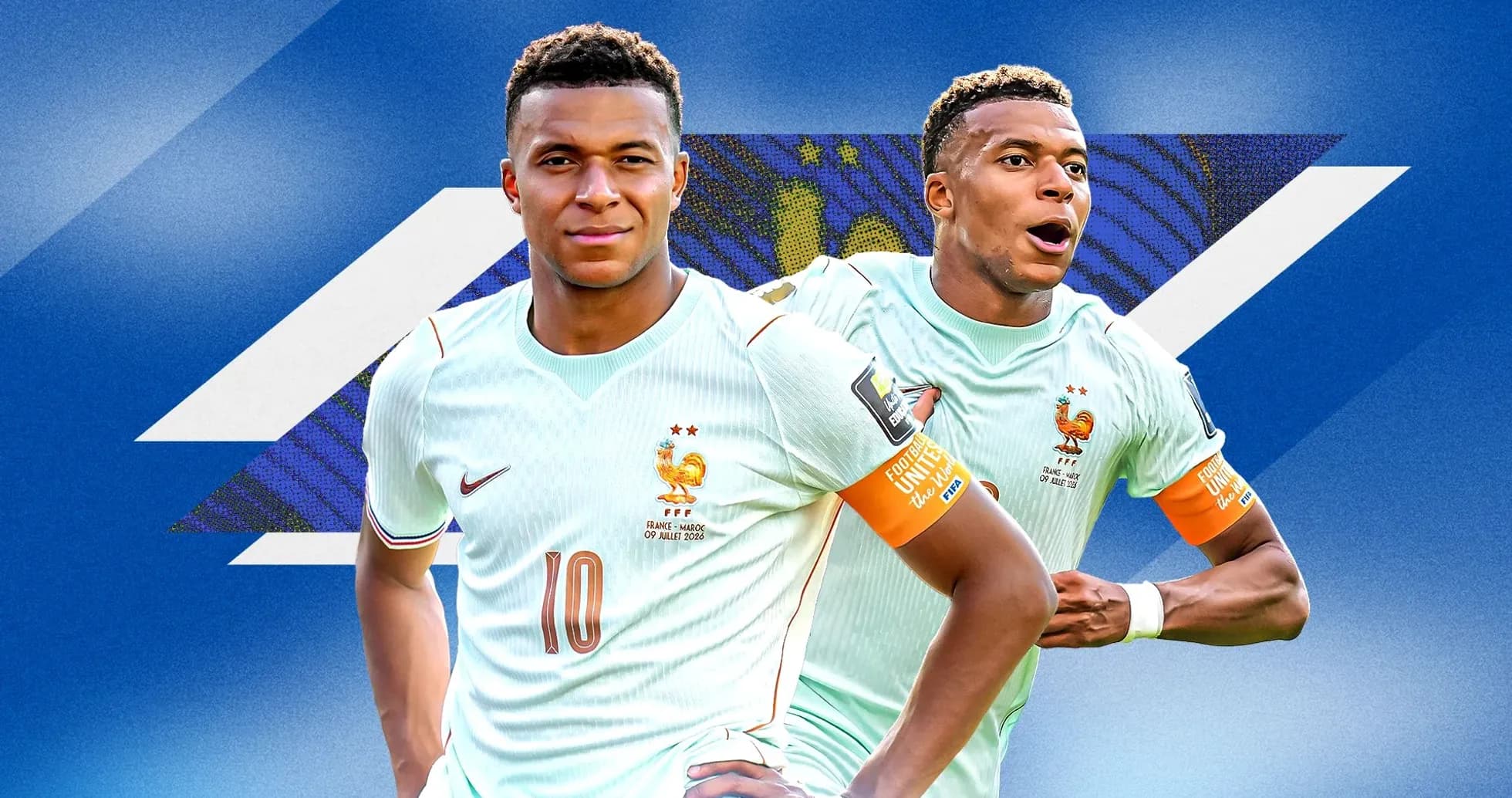
Kylian Mbappé: From Superstar to Scapegoat in Madrid
Kylian Mbappé has never been far from a headline. In Paris, he was the poster boy. In Madrid, he has become the lightning rod.
From the moment he walked into the Bernabéu on a free transfer in 2024, the marriage between superstar and superclub was supposed to be inevitable, almost automatic. It has been anything but.
Goals without glory
On paper, Mbappé has delivered. Eighty-six goals in 103 appearances is the kind of return that usually cements a legacy in Madrid. Instead, it has been drowned out by something the club considers non-negotiable: trophies.
Since his arrival, Real Madrid have failed to win a major title. For a fanbase raised on European nights and domestic dominance, that drought has turned the spotlight into a searchlight. Every bad result, every limp performance, every early exit has needed a culprit. Mbappé, the marquee signing, has worn much of that blame.
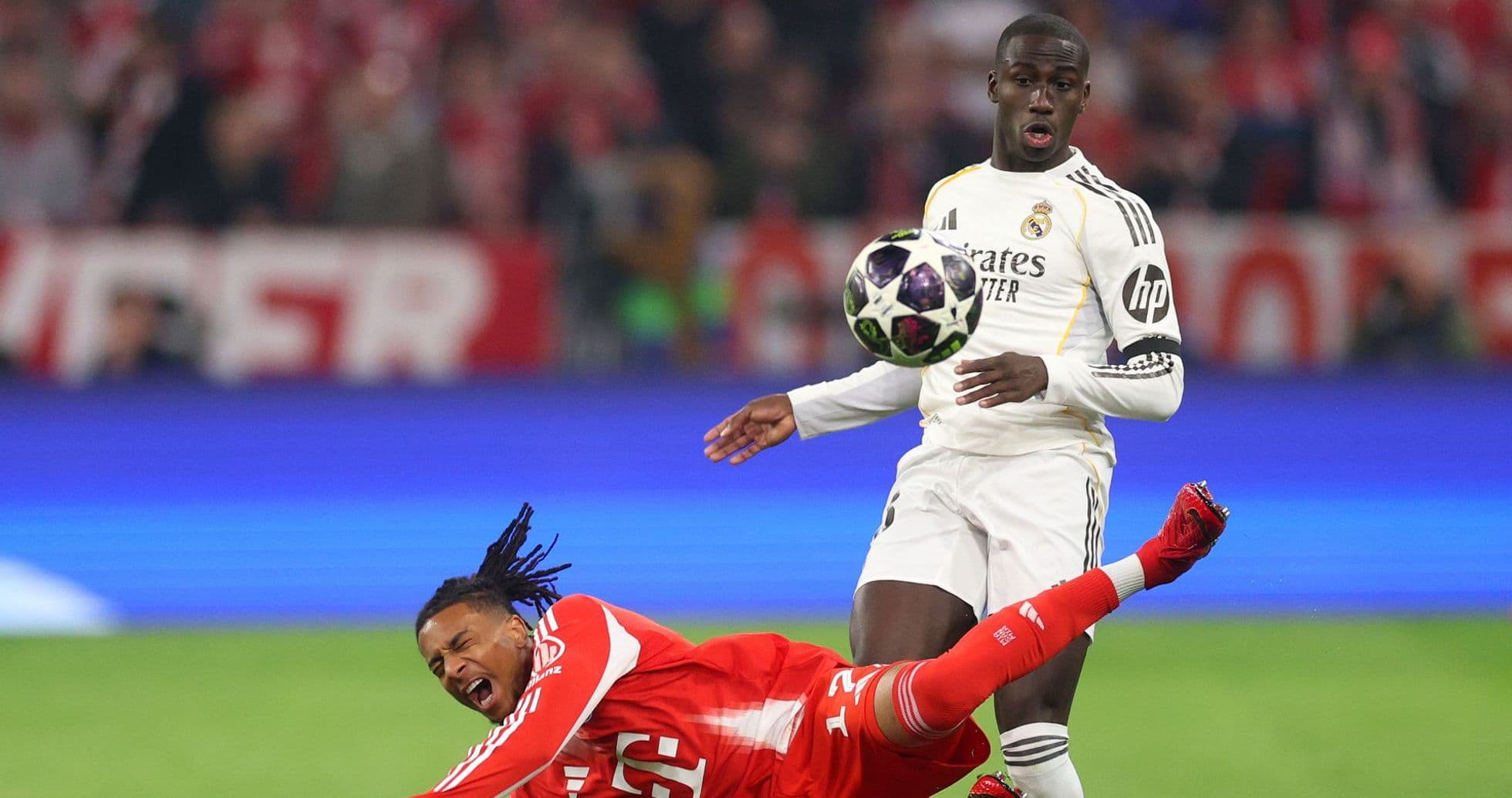
The 2025-26 season stripped the veneer away. Real drifted out of the title race as Barcelona surged clear. Bayern Munich then sent them out of the Champions League in the quarter-finals. Mbappé still broke the 40-goal barrier, but those numbers felt hollow against the backdrop of a season that unravelled on all fronts.
His own form mirrored the team’s slide. After a blistering first half of the campaign, niggling injuries and a loss of sharpness reduced him to just four goals from mid-February to the end of the season. The timing could hardly have been worse. The pressure rose, and so did the temperature around him.
Boiling point in Madrid
The tension finally snapped late in April. According to The Athletic, Mbappé clashed with a member of the backroom staff before a match against Real Betis, unleashing a volley of abuse at a coach who flagged him offside during a training game. It was a small incident on the surface, but it captured the mood at Valdebebas: raw, irritable, toxic.
Then came the hamstring injury against Betis. Rather than stay at the club’s training base to recover, Mbappé took advantage of some time off and flew to Sardinia with his girlfriend, Spanish actor Ester Expósito. Photos of the pair on a yacht surfaced while Real Madrid were playing Espanyol in La Liga.
In a city obsessed with optics, the images landed badly. Inside the club, questions were asked. Outside, outrage grew. Coach Álvaro Arbeloa publicly defended his star forward, but the storm had already formed. An “Mbappé out” online petition went viral, drawing around 12 million signatures in less than a day and eventually topping 70 million. The message was blunt: the patience of a global fanbase was thinning.
Mbappé then missed the Clásico in which Real effectively handed Barcelona the title, still considered unfit and excusing himself from training with the substitutes because of “discomfort”. He returned to the bench against Real Oviedo in mid-May, a decision that lit the fuse for the most explosive moment of his Madrid spell so far.
“Fourth-choice striker”
Players at Real Madrid rarely stop in the mixed zone when the mood is sour. Mbappé did. After coming on as a substitute against Oviedo, he walked through the media line and spoke.
He insisted he was “100 percent” fit and claimed he had not started because Arbeloa told him he had been relegated to “fourth-choice striker”. For a player of his stature, the phrase was incendiary. The comments spread instantly, adding fresh fuel to an already raging fire.
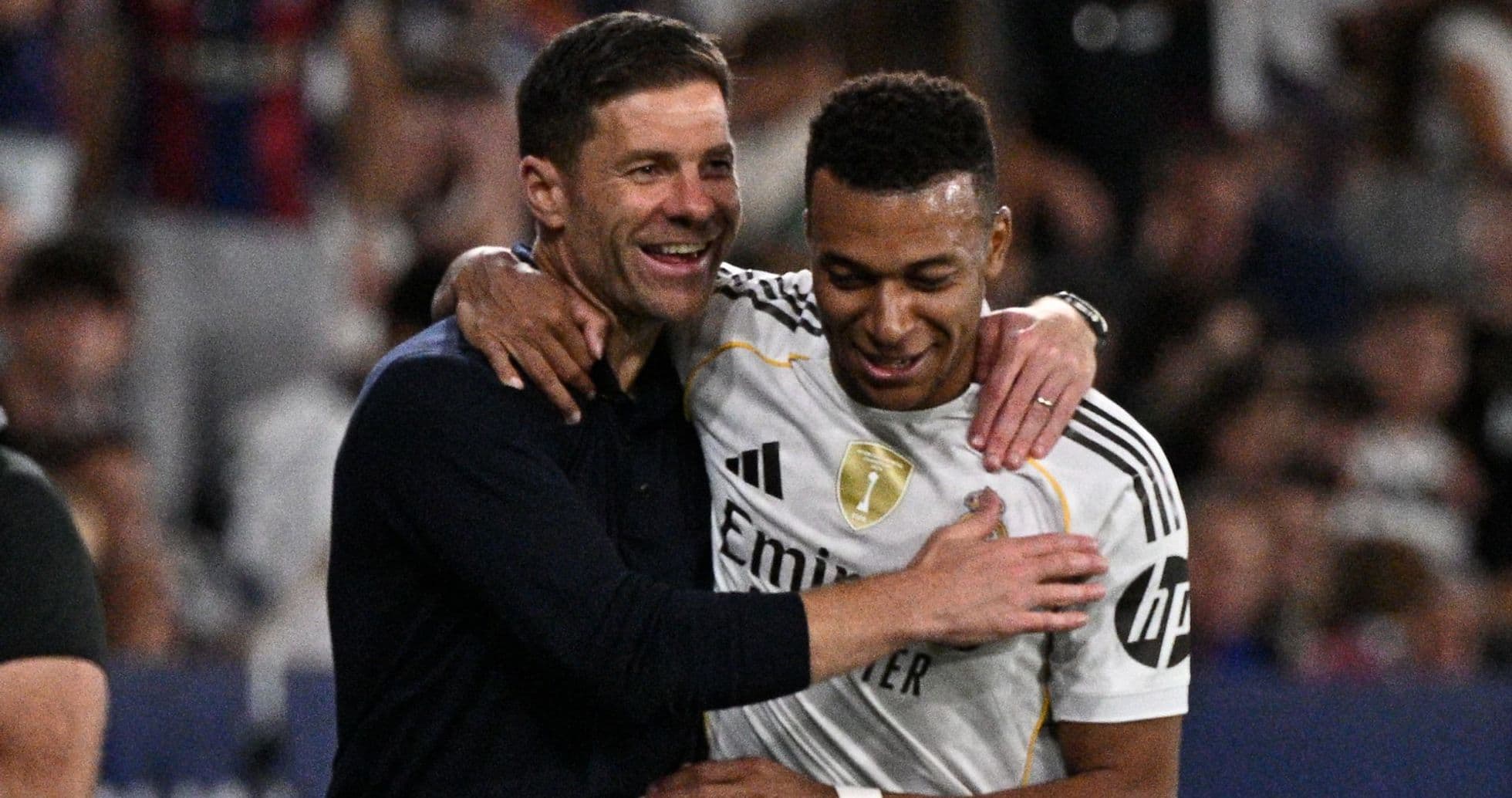
Arbeloa pushed back hard in his next press conference. “He must have misunderstood me, at no point did I say he was the fourth-choice striker,” the coach said. “A player who four days ago wasn’t even fit enough to make the bench for a match shouldn’t have started today.”
By then, the damage was done. The Athletic reported “growing disappointment” with Mbappé “from the dressing room to the board”. His camp responded with a statement of their own, arguing that some of the criticism stemmed from an “over-interpretation” of a recovery period that had been “strictly supervised by the club” and did not reflect his commitment or daily work.
Inside and outside Spain, the perception of Mbappé hardened: brilliant, yes, but complicated. A superstar whose every move, every word, every absence became a story.
A different Mbappé in blue
Then came the World Cup. A change of shirt, a change of continent, a change of noise.
In North America, away from the Madrid echo chamber, Mbappé has looked like himself again. Lighter. Sharper. Lethal. Eight goals so far, dragging France towards another possible title tilt.
He has cut through the tournament with the authority of a man who knows exactly where the goal is. Braces against Senegal, Iraq and Sweden. A penalty winner against Paraguay. A stunning opener in the quarter-final against Morocco. Even in the one game he failed to score, against Norway in the group stage, he still produced two assists.
Those numbers have pushed him level with Lionel Messi at the top of the Golden Boot race. They have also taken his overall World Cup tally to 20, just one behind Messi’s 21. At 27, Mbappé now stands on the brink of becoming the competition’s all-time leading scorer, whether in 2026 or beyond.
The contrast with Madrid is striking. In the dark blue of France, he is undisputed. Captain. Talisman. Reference point. Didier Deschamps has attacking riches everywhere, but when France need a moment, they look to Mbappé.
His team-mates do more than look to him. They protect him.
“The criticism towards him is very, very unfair,” Ousmane Dembélé said on the eve of the World Cup. “Some people go a bit too far with the criticism of Kylian. He’s an incredible player and a very good person off the pitch.
“Some people overdo the criticism because he’s Kylian Mbappé. They shouldn’t keep going after him. Whether he ties his shoelaces or not, whether he pulls up his socks or not… it’s too much. He’s still a human being. With the France team, he’s very good with us, he’s a leader.”
Defender Lucas Hernandez echoed him. “Kylian is an extraordinary player. When you’re Kylian Mbappé, everyone looks at everything you do, on the pitch and off the pitch. All the criticism there has been this season, he’s going to silence it.”
So far, Mbappé has done exactly that.
Spain watches, and judges
Back in Spain, the view is more conflicted. His talent is not in question. His leadership, ego and off-pitch choices are.
“In Spain, we are famous for making stories out of the little that we see of players,” Spanish journalist Guillem Balague told the BBC in May. “The jury remains out with Mbappé. He seems a little bit too cold and too distant with the Madrid fans – I remember Raul telling me that one thing they appreciate is players running for the impossible ball. People love it.”
Balague pointed to the obvious counterfactual: if Real Madrid were winning, the tone would be very different. Instead, the debate circles around the same questions. Are Real failing because their coaches have not found the best version of Mbappé? Or because he has not adapted quickly enough to the demands of the club and the league?
When he first arrived under Carlo Ancelotti, he appeared almost subdued, determined to show humility and follow instructions to the letter. Then came the missed penalties against Liverpool and Athletic Club. Confidence dipped. According to Balague, Mbappé decided, “I am going to do it my own way.” The goals flowed again, the numbers soared, but the chemistry with the team and, later, with new coaches like Xabi Alonso and Arbeloa never quite clicked this season.
Layered on top of that is a broader, uncomfortable context: Spain’s patchy record in its treatment of black players. A global superstar like Mbappé inevitably attracts more scrutiny than most. In Spain, that scrutiny can come with added edge.
A semi-final with subplots
Now comes Spain again, this time on neutral ground, with a World Cup final at stake. For Mbappé, it is the country he calls home during the club season, the league that has picked apart his every gesture, the media that has questioned his character as much as his finishing.
He knows the stakes. “There is only one scenario where you can relax and that is winning the World Cup,” he said before the semi-final. “When you play for France, if you don’t win, you get heavily criticised. We have a tightly-knit squad driving toward a single objective: victory.
“We are in the semi-finals, but the road is still long, and the most challenging matches lie ahead of us.”
This is the paradox of Kylian Mbappé in 2026. In Madrid, he is the symbol of a project that has not yet delivered. With France, he is the spearhead of a machine that keeps rolling towards history.
Silencing critics is not a trophy. It does not sit in a cabinet or get paraded on an open-top bus. But if Mbappé sends Spain, the European champions, out of this World Cup and carries that same ruthless form back to club football, the noise in Madrid will have to change.
At some point, even his harshest detractors will have to decide: how long can you boo the man who keeps rewriting the record books?