Ismaël Koné's World Cup Cut Short After Leg Surgery
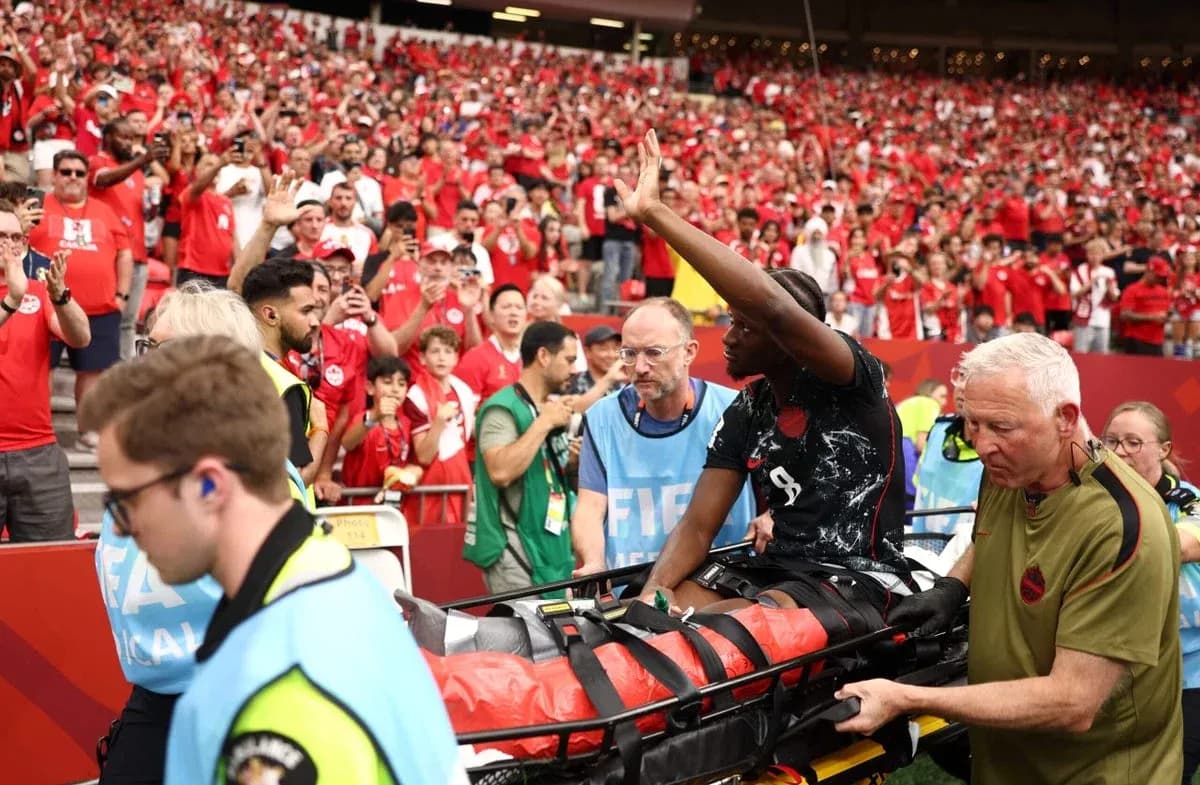
The night Canada announced itself with a 6-0 statement win over Qatar will always carry a darker image: Ismaël Koné on the turf at BC Place, clutching his left leg, teammates and opponents frozen around him.
Hours later, Canada Soccer confirmed the worst. Koné, 24, has undergone successful surgery on a fracture to his left leg and will miss the rest of the 2026 World Cup on home soil.
“Last night, Ismaël Koné underwent successful surgery to repair a lower limb fracture,” read a Canada Soccer statement on Friday. “He is expected to make a full recovery but will miss the remainder of FIFA World Cup 2026.”
A brutal challenge, a sudden silence
The incident came in the 51st minute of Thursday’s group-stage game in Vancouver. Canada were cruising, 3-0 up against a Qatar side already down to 10 men after Homam Al-Amin’s first-half dismissal for denying Tajon Buchanan a clear goalscoring chance.
Koné, who had started both of Canada’s group matches and was again central to Jesse Marsch’s plans, received the ball near the touchline in front of the Canada bench. As he turned away from pressure, Qatar midfielder Assim Madibo arrived late from behind and caught Koné’s lower left leg.
The sound was sickening.
“You could hear the bone snap,” Marsch said after the game. “Your heart goes out to him. Everybody’s shaken for him.
“I don’t think he (Madibo) meant such a gruesome situation. I don’t fault him for that.”
Koné collapsed instantly, grabbing his leg. Medical staff sprinted onto the pitch. Tempers flared. Canada full-back Richie Laryea confronted Madibo as players from both sides argued just a few feet from where Koné lay.
Madibo was initially shown a yellow card. After a VAR review, the referee upgraded it to red, leaving Qatar down to nine men.
Surgeons on standby
Koné was taken straight to hospital from BC Place. By the time Marsch saw him, the midfielder was already being prepared for surgery.
“By the time we got to him, he’d already had some drugs to help sedate him a little bit,” Marsch told reporters after Canada Soccer’s announcement. “He was being prepared to go into the operation room. But he was in really good spirits and he was adamant that he’s going to be fine.
“(The surgery) took about an hour and a half and they had three surgeons. I think what happened is the surgeons watched it on TV and they saw what happened and they knew right away. And so they brought their top three surgeons to the hospital immediately to take care of him.
“So by the time he got there, the surgeons were there and they were ready. And then we just had to communicate with our medical team and make sure that the surgery was the best option that we thought. But I could see by meeting them and hearing what they had to say about the situation that he was in really good hands. So the surgery they said went really well.”
His club, Sassuolo, echoed that message in their own update on Friday.
“The operation to repair the fracture in his left leg was a complete success. The player will begin his rehabilitation programme in the coming days.
The whole club sends Ismaël their best wishes for a speedy recovery.”
No replacement, no like-for-like
World Cup regulations add another layer of cruelty. Marsch cannot call up an outfield replacement at this stage; injury changes had to be made 24 hours before Canada’s opening match. The squad is locked. Canada must finish this tournament one man light.
Koné’s absence leaves a clear tactical hole. He is a rare profile in this Canada side, something Marsch underlined after the game when he admitted there is no true like-for-like option in his squad. Koné, he said, “can do things that no other player can do.”
The immediate solution is already on the pitch. Nathan Saliba replaced Koné against Qatar and, around 10 minutes later, drove in Canada’s fourth goal. His celebration said everything: he held Koné’s No 8 shirt above his head, a simple, powerful tribute to a close friend.
Saliba, 22, will now be asked to carry more of the load. His energy and directness can mirror parts of Koné’s game, even if he cannot fully replicate it.
There will also be a structural tweak. Niko Sigur, often used at full-back for Canada, is expected to move into central midfield to inject creativity and control in the middle. Marsch will have to juggle roles and responsibilities rather than simply plug a gap.
Canada push on without their midfield heartbeat
Koné’s injury came on a night that should have been remembered purely for Canada’s dominance and attacking freedom. Six goals, a red card drawn, a crowd in Vancouver roaring with belief. Instead, the image of their midfielder being stretchered away lingers.
The team now has to channel that emotion into the rest of the tournament.
Canada face Switzerland on Wednesday, knowing a draw will be enough to secure top spot in Group B. They will walk into that game without one of their most gifted players, but with the memory of his influence still fresh and a clear test in front of them.
Can they keep dictating games without the man Marsch believes offers something no one else in his squad can? The answer will help define just how far this World Cup run can really go.