Inter Dominates Cagliari 3–0 in Serie A Showdown
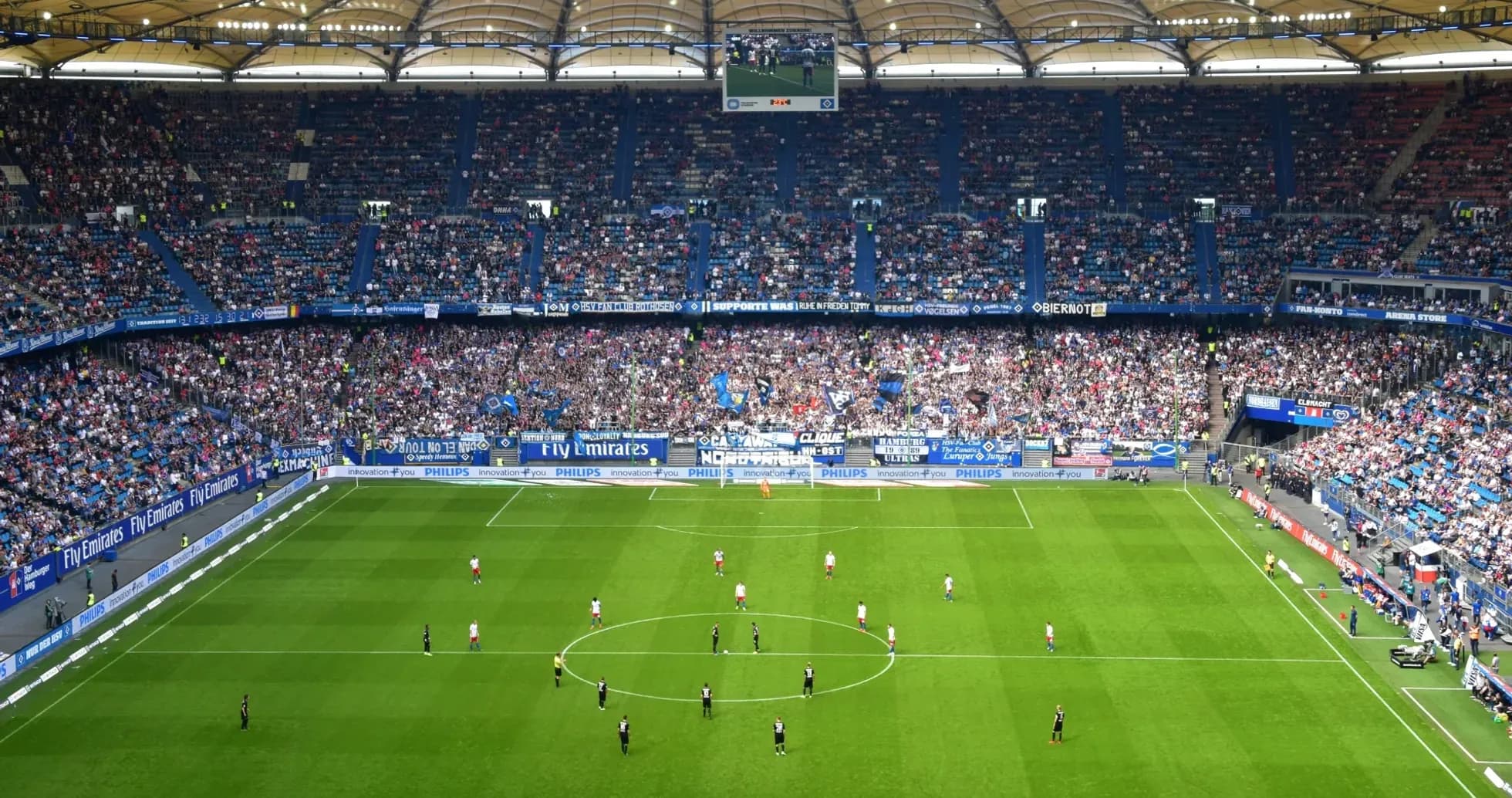
Under the lights of Stadio Giuseppe Meazza, this was first against sixteenth in Serie A, and it played exactly like it. Inter, leaders with 78 points and a goal difference of 49 heading into this game, imposed their season-long superiority in a 3–0 dismantling of Cagliari, whose 33 points and -14 goal difference told of a side living on the margins. Same 3-5-2 on paper, two very different footballing realities on the pitch.
Inter’s seasonal DNA was all over the performance. At home they had averaged 2.8 goals for and just 0.9 against, with 13 wins from 17; Cagliari arrived on their travels with only 3 away victories, scoring 0.9 and conceding 1.7 per away game. The match felt less like a contest and more like a live demonstration of why those numbers exist.
Tactical Voids and Rewired Structures
Both coaches were forced into structural compromises by absences. Inter were without A. Bastoni and Y. Bisseck, stripping depth and ball progression from the left of their back three, while P. Sucic’s suspension and the injury to L. Martinez removed a high-volume runner and their elite penalty-box finisher. For a side whose top scorer Lautaro Martínez had 16 league goals and 4 assists, that is more than just a missing name – it is a missing reference point.
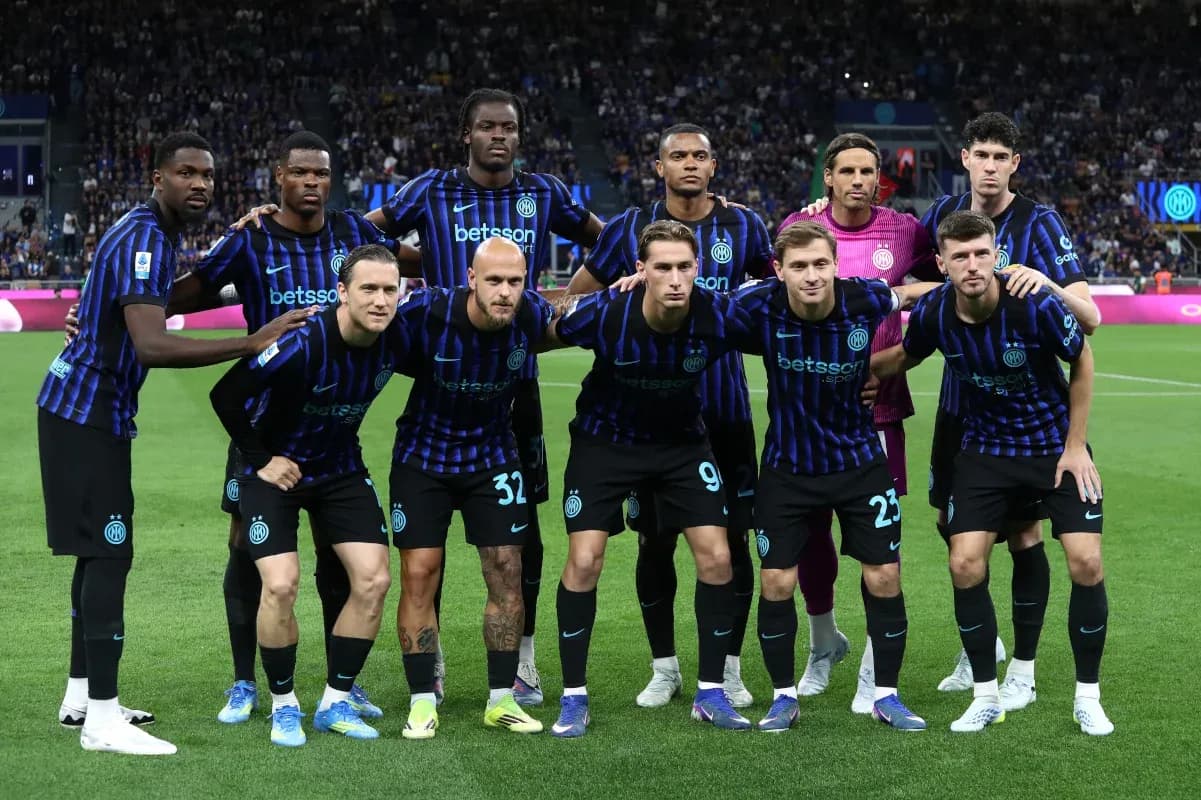
The response was telling. Simone Inzaghi’s side (coach not listed, but the tactical imprint unmistakable) leaned into the most stable part of their identity: the 3-5-2 that has started all 33 league games. Stefan de Vrij anchored the line, with Manuel Akanji and Carlos Augusto either side, a more conservative, position-first trio than the usual Bastoni-led progression. Ahead of them, the midfield of Denzel Dumfries, Nicolò Barella, Hakan Çalhanoğlu, Henrikh Mkhitaryan and Federico Dimarco became the true engine and creative hub.
Cagliari had their own voids. M. Felici and R. Idrissi were out with knee injuries, while L. Mazzitelli and L. Pavoletti also missed out, depriving them of experience, physical presence and alternative attacking profiles. With that, the visitors leaned on a young, workmanlike 3-5-2: Elia Caprile behind a back three of Zé Pedro, Yerry Mina and Juan Rodríguez, a midfield shield of Marco Palestra, Michel Adopo, Gianluca Gaetano, Sulemana and Adam Obert, and a forward pair of Sebastiano Esposito and Gennaro Borrelli.
The disciplinary backdrop framed the risk. Inter’s yellow-card profile is a slow burn that spikes late: 27.59% of their bookings come in the 76–90' window, a clear late-game surge. Cagliari’s is even more volatile: 27.63% of their yellows also arrive in that same 76–90' period, and both of their red cards this season have come there too (100.00% of their reds between 76–90'). It set up a scenario where a tiring underdog might tip into chaos just as the leaders turned the screw.
Hunter vs Shield: Where the Game Was Won
With Lautaro Martínez absent, the “Hunter vs Shield” duel shifted subtly. Marcus Thuram, who entered the night with 11 goals and 5 assists in Serie A, became Inter’s primary hunter. His profile – 51 shots, 26 on target, 244 duels with 122 won – speaks of a forward who stretches lines and thrives in contact. He was paired with Francesco Pio Esposito, a raw but willing runner whose movement opened central lanes.
The shield Cagliari offered was fragile. Overall they had conceded 47 goals in 33 matches, 29 of them on their travels. Their away defensive average of 1.7 goals against per game met an Inter side averaging 2.8 at home; the arithmetic always threatened to be brutal. Mina’s physicality and Rodríguez’s aggression were meant to anchor the line, but they were repeatedly dragged into lateral spaces by Thuram’s drifting and Dimarco’s relentless overlapping.
Dimarco, Serie A’s leading assist provider with 14, was the game’s quiet dictator. From his left midfield slot he acted as both full-back and playmaker: 1291 passes this season at 82% accuracy, 86 key passes and 6 goals underline how he blurs the line between defender and No.10. Against Cagliari, he pinned Palestra deep and forced Zé Pedro to choose between stepping out to the wing or staying narrow – a no-win decision that opened the half-space.
On the opposite flank, Dumfries provided the vertical menace that stretched Obert and disrupted Cagliari’s best defender. Obert’s season has been defined by aggression – 54 tackles, 17 successful blocks, 38 interceptions and 9 yellow cards – but with Inter able to circulate through Çalhanoğlu and Mkhitaryan, he was constantly asked to defend large spaces rather than the compact blocks where he excels.
Engine Room: Çalhanoğlu vs Sulemana and Adopo
In the centre, the “Engine Room” duel was stark. Hakan Çalhanoğlu arrived as one of Serie A’s most complete midfielders: 9 goals, 4 assists, 1393 passes at 90% accuracy, 41 key passes and 34 tackles. He is both metronome and scalpel. Behind Inter’s 78 league goals, his ability to dictate tempo and switch play is central.
Cagliari tasked Sulemana and Michel Adopo with containing him, with Gaetano as the more advanced link. But structurally, they were outnumbered and outgunned. Barella, with 8 assists and 67 key passes, constantly rotated into the right half-space, dragging markers away and creating a triangle with Dumfries and Thuram. Mkhitaryan, still a master of timing, ghosted into pockets behind Adopo, forcing Cagliari’s midfield to choose between following him and leaving Çalhanoğlu free, or holding shape and allowing Inter’s No.20 to dictate.
The absence of a true ball-winning destroyer for Cagliari was glaring. While Obert’s 203 duels and 105 won speak to his defensive contribution, he was marooned on the left of the midfield line, too far from Çalhanoğlu’s orbit. That disconnect allowed Inter to progress methodically, then accelerate sharply in the final third.
Statistical Prognosis and the Shape of the 3–0
Inter’s season-long numbers made a high-margin win not just plausible but probable. Overall they had scored 78 and conceded 29 in 33 games, an average of 2.4 for and 0.9 against per match. Cagliari’s 33 for and 47 against, with 12 league games in which they failed to score, painted the picture of an attack that can disappear for long stretches.
Defensively, Inter’s 16 clean sheets and just 2 games at home without scoring signalled a team that controls both boxes. Cagliari, by contrast, had only 1 away clean sheet and had failed to score in 6 away fixtures. In xG terms – even without explicit values – you would project Inter to generate multiple high-quality chances, particularly through wide overloads and cut-backs, while Cagliari’s limited possession and lack of penalty volume (2 penalties all season, both scored) suggested they would need a low-probability strike or a set-piece to break through.
The disciplinary profiles added a late-game twist. With Inter’s yellows peaking between 76–90' at 27.59% and Cagliari’s at 27.63% in the same window, plus their tendency to see red there, the final quarter-hour was always likely to tilt further towards the hosts if the visitors chased the game. Instead, Inter were already out of sight, managing the rhythm and protecting their clean sheet.
Following this result, the 3–0 felt less like an isolated scoreline and more like the logical endpoint of two trajectories. Inter’s 3-5-2, even without Lautaro Martínez and Bastoni, proved modular and ruthless: Dimarco the creative spear, Çalhanoğlu and Barella the twin engines, Thuram the roaming hunter. Cagliari’s matching shape only highlighted the gap in quality and cohesion.
In narrative terms, this was the league leaders reaffirming their status, their statistical profile translating almost perfectly onto the pitch. For Cagliari, it was another reminder that on their travels, against the division’s elite, survival is less about matching systems and more about finding a way to bend probability – something they never came close to doing in Milan.