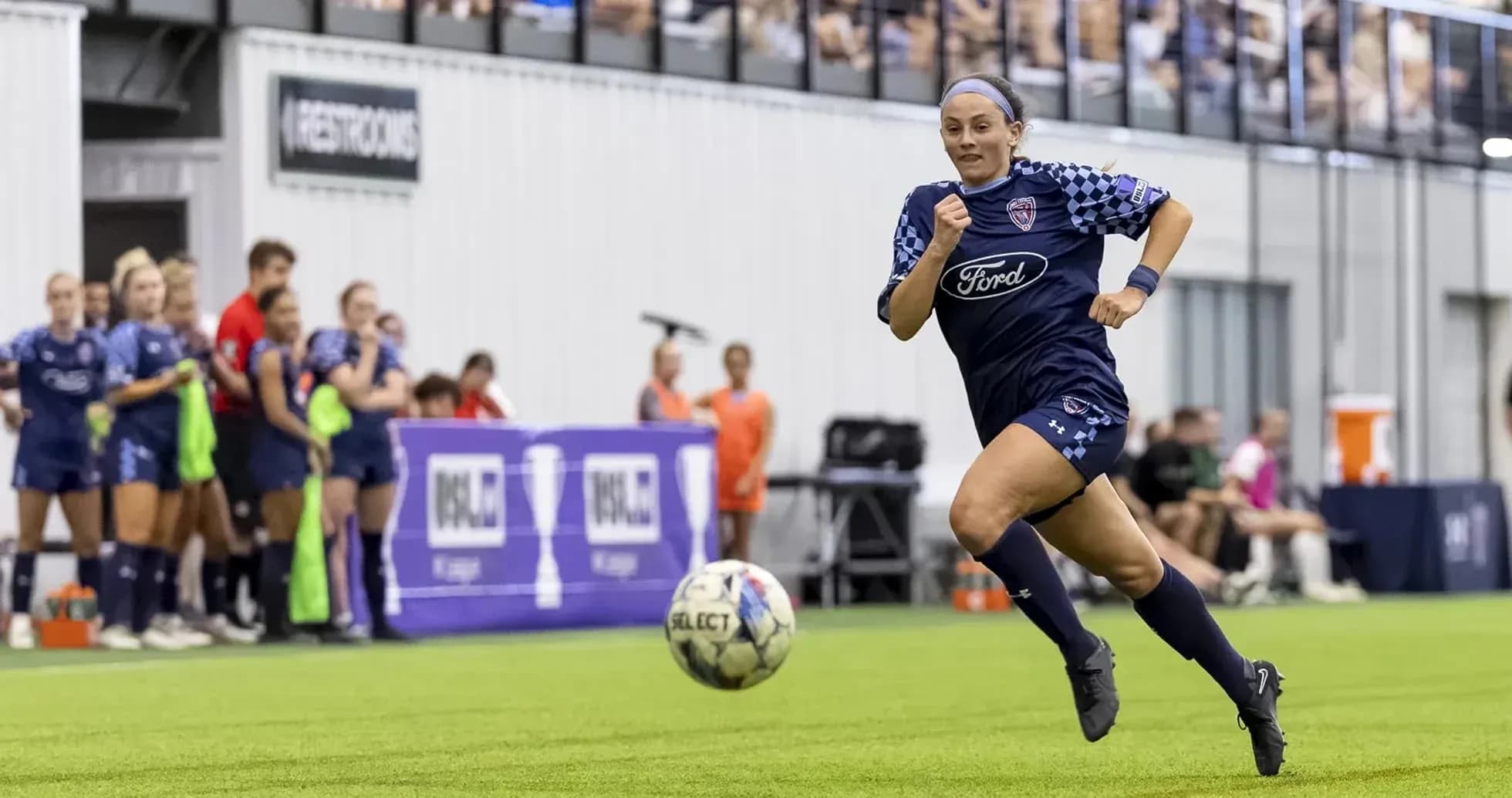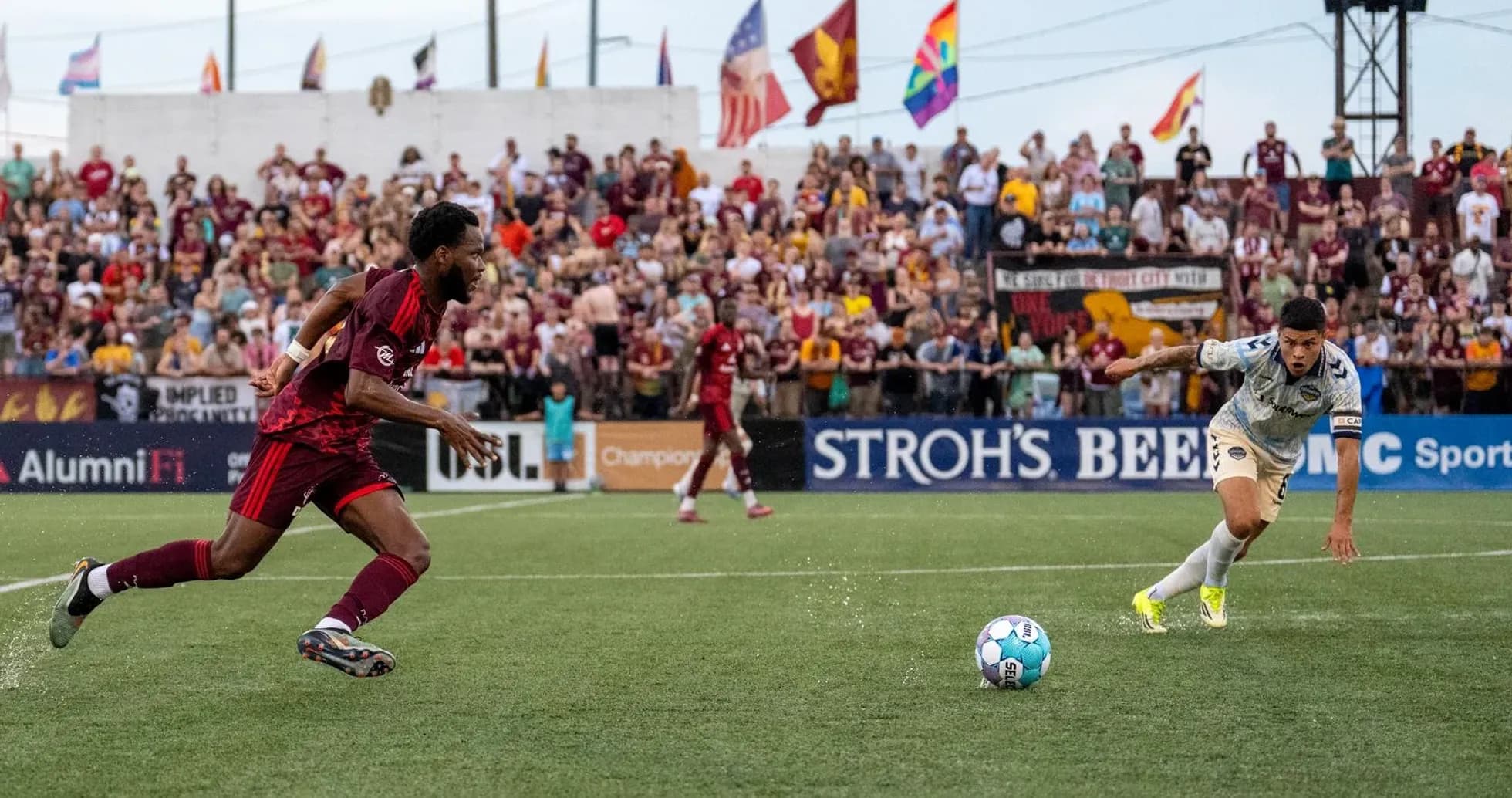
Greenville Triumph’s Tactical Win Over Loudoun United
Under the lights at Paladin Stadium, Greenville Triumph’s 3–1 win over Loudoun United felt less like a routine group-stage result and more like a tactical course correction in the USL League One Cup narrative. Heading into this game, both sides were chasing stability in Group 6; following this result, Greenville’s campaign sits at 2 matches played with 3 goals for and 4 against overall, while Loudoun’s more turbulent path shows 3 matches played, 4 goals for and 5 against overall. On the night, though, Greenville tilted the balance of this mini‑rivalry decisively in their favor.
I. The Big Picture – Greenville’s Identity Takes Shape
Greenville came into the competition with a split personality: at home, they had been ruthless, scoring 3.0 goals per game and conceding 1.0; on their travels, they had been blanked, averaging 0.0 goals for and conceding 3.0. The group table underlines that duality: 1 home match played, 3 goals for and 1 against, contrasted with 1 away match played, 0 goals for and 3 against. This night was about leaning into the Paladin Stadium version of themselves.
Loudoun, meanwhile, arrived with a more balanced but fragile profile. Overall, they averaged 1.3 goals for and 1.7 against per game heading into this fixture, with a clear split: at home, 1.5 goals for and 1.0 against; away, 1.0 for and 3.0 against. Their away defensive record – 3 goals conceded in their single road outing before this – foreshadowed trouble against a Greenville side that had already posted a 3–1 home win as their biggest victory of the competition.
The 3–1 scoreline on the night mirrored Greenville’s existing home template almost perfectly: front‑foot, high‑yield attacking, underpinned by enough defensive control to absorb pressure without losing shape.
II. Tactical Voids – Discipline and the Edges of Control
With no official list of absentees, both coaches leaned heavily on their core groups. Dave Dixon trusted a settled Greenville XI anchored by A. Knight and L. Meek at the back, with the experienced defensive presence of B. Fricke and A. Patti in front of them. T. Polak and E. Lee completed a back line that was less about flair and more about controlled aggression.
Greenville’s season‑long disciplinary profile hinted at a team that tends to get dragged into the emotional phase of matches late on. Heading into this game, 75.00% of their yellow cards had arrived between 76–90 minutes, with the remaining 25.00% in the 16–30 window. That late‑game surge in bookings speaks to a side that defends their lead with intensity, sometimes on the edge. The pattern held here: as Greenville protected their advantage, the match tilted toward duels and tactical fouls, with the home side willing to take cards to break Loudoun’s rhythm.
Loudoun’s card map was more evenly spread but just as revealing. They had accumulated 37.50% of their yellows between 46–60 minutes and 25.00% between 76–90, with additional spikes at 31–45 (12.50%) and 61–75 (12.50%). It paints the picture of a team that struggles to manage transitions at the start of each half, often resorting to fouls as structure slips. Against Greenville’s home intensity, those windows of indiscipline made it harder to mount a sustained comeback once they fell behind.
III. Key Matchups – Hunter vs Shield, Engine Room vs Enforcer
Without official top‑scorer data, the “Hunter vs Shield” narrative had to be inferred from team tendencies. Greenville’s attacking core of W. Akio and A. Liadi, supported by the creative thrust of C. Evans and C. Herrera, formed the spearhead. The home side’s 3.0 goals per game at Paladin Stadium suggested that whoever led the line was thriving in this environment.
They were up against a Loudoun back unit marshalled by J. Erlandson and S. Mazzaferro, with full‑backs L. Piras and N. Adnan asked to balance width with defensive solidity. On their travels, Loudoun had conceded 3.0 goals per match; Greenville hit that exact number again, underlining how the home attack exploited the same structural gaps that had already appeared in Loudoun’s away performances.
In the “Engine Room” matchup, Greenville’s midfield triangle of D. Boyce, C. Herrera and C. Evans went toe‑to‑toe with Loudoun’s central trio of J. Murphy, B. Akinyode and J. Panayotou. Boyce and Herrera offered Greenville the ability to recycle possession and step into half‑spaces, while Evans floated between the lines. For Loudoun, Akinyode was the enforcer, tasked with screening the back four, while Murphy and Panayotou tried to progress play.
The contest in the middle tilted Greenville’s way as the match wore on. Their ability to compress space around second balls forced Loudoun’s build‑up to become more direct, isolating forwards T. Ulfarsson and R. Aman against a Greenville back line that, at home, had only conceded 1 goal in 1 match prior to this fixture.
IV. Statistical Prognosis – What This Result Tells Us
Following this result, Greenville’s overall goal difference in the group remains at -1 (3 goals for, 4 against), but the underlying split is stark: at home, they now have 3 goals for and 1 against; away, 0 for and 3 against. The home version of Greenville looks like a side with genuine knockout‑round potential – capable of scoring in bursts and managing games, even if their card profile warns of late‑game turbulence.
Loudoun, for their part, continue to live on a knife‑edge. Overall, they sit on 4 goals scored and 5 conceded, a goal difference of -1 that aligns with their “LWL” form line. At home they can keep clean sheets and control tempo; away, their 3 goals conceded in that single prior road match, followed by another 3 here, suggest a structural issue when asked to defend space and transitions on their travels.
In xG terms – even without explicit numbers – the patterns are clear. Greenville’s home attacking averages and repeated 3‑goal returns hint at a side consistently generating high‑quality chances at Paladin Stadium. Loudoun’s away concession rate of 3.0 per match points to a defense that allows too many shots from dangerous zones when pressed high.
The tactical verdict is that Greenville, in this group, are shaping into a classic home‑heavy contender: formidable at Paladin Stadium, with a defined attacking identity and a combative, card‑prone closing phase. Loudoun remain a volatile opponent – capable of sharp spells, but undermined by away‑day fragility and poorly timed disciplinary spikes. If these trajectories hold, Greenville’s path to the latter stages will depend on preserving this home ferocity, while Loudoun must solve their travel sickness or risk their campaign slipping away in hostile stadiums just like this one.