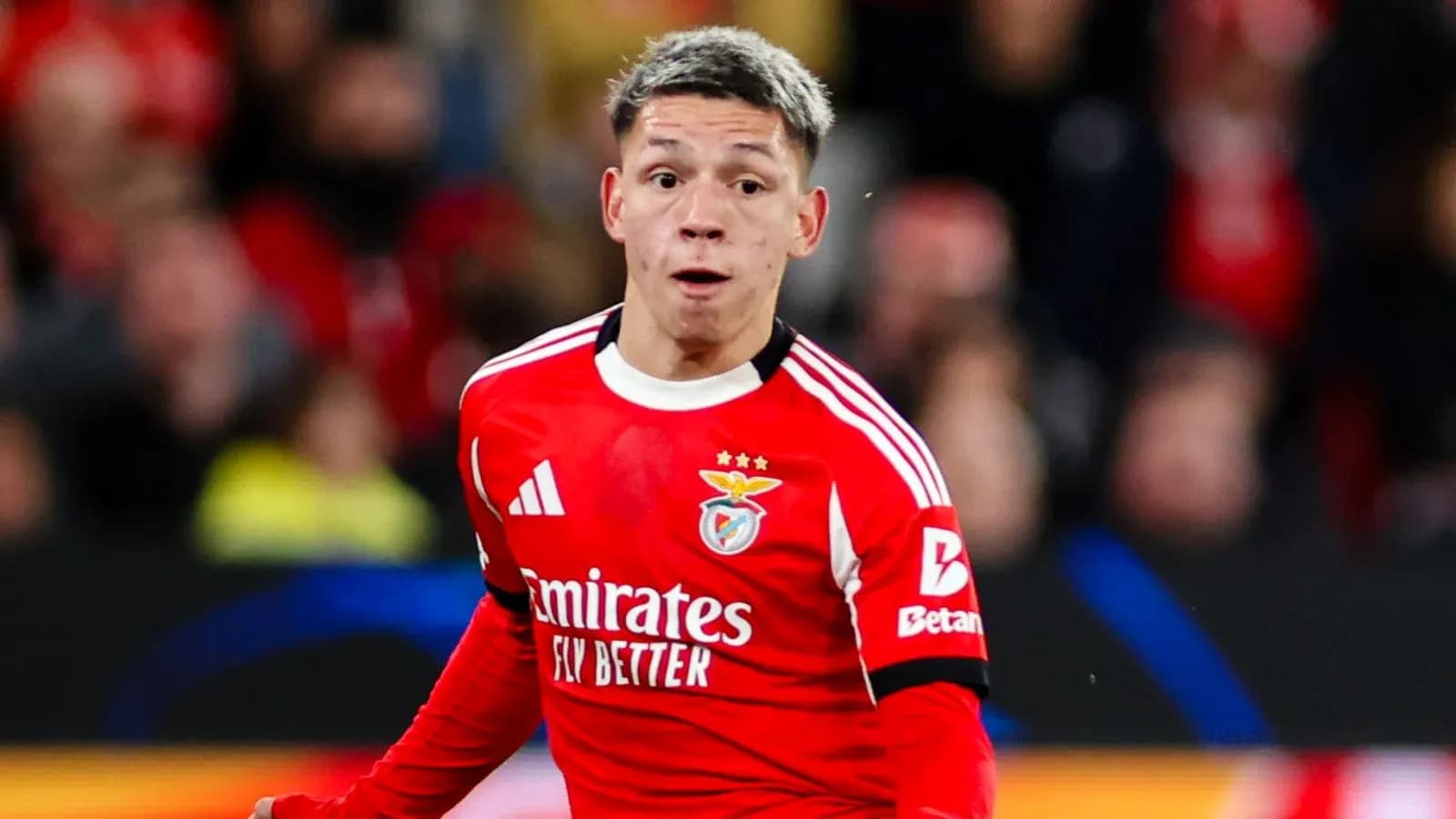
Gianluca Prestianni's Worldwide Suspension Extended by FIFA
Gianluca Prestianni’s six-match suspension for discriminatory conduct towards Vinicius Junior has been extended worldwide by FIFA – a move that could now spill into the World Cup and Argentina’s title defence.
The 18-year-old winger, capped once by Argentina, originally received the ban from UEFA after February’s Champions League tie in which Real Madrid forward Vinicius Jr accused him of racial abuse. When UEFA announced the punishment, it specified that the sanction related to homophobic abuse. The case has since moved beyond the confines of European competition.
From Europe to the World Stage
UEFA had initially restricted the suspension to its own tournaments. That would have limited the impact to continental club fixtures. But the European body formally asked FIFA to globalise the sanction, and football’s world governing body has now agreed.
FIFA’s disciplinary committee has ruled that the six-match ban will apply worldwide, meaning it now covers all FIFA-sanctioned competitions except those specifically exempted. For Prestianni, that changes the landscape dramatically.
If Lionel Scaloni includes him in Argentina’s squad for the upcoming World Cup, the winger would be unavailable for the holders’ opening two group games, against Algeria and Austria in Group J. A player on the fringes of the national team suddenly finds his international prospects colliding with a disciplinary ruling that now carries global weight.
Prestianni had been called up for Argentina’s most recent friendly, against Zambia in March, a sign that he is on the national radar despite his limited experience. Now any decision to take him to the World Cup comes with a built-in handicap.
How the Ban Actually Works
The headline figure is six matches, but the structure of the punishment matters.
Three of those six games are suspended for a two-year period. They will only be activated if Prestianni commits another offence of a similar nature within that timeframe. One match has already been counted – served as a provisional suspension in February.
That leaves two fixtures of immediate, guaranteed absence under the current ruling.
If Argentina call him up, those two games would be the first two World Cup group matches. If they do not, the ban will instead carry over to his next two UEFA fixtures next season.
Domestic league matches in Portugal, where he plays his club football, and friendly games remain untouched. He can continue to feature in those without restriction, underscoring how targeted and competition-specific modern disciplinary measures can be.
The numbers are clear. The choices now belong to Argentina’s selectors – and to the player, whose conduct over the next two years will determine whether the suspended portion of the ban ever comes into play.