France’s World Cup Defence: Key Centre-Backs and Emerging Alternatives
France’s World Cup defence is being built on a familiar foundation. At centre-back, Didier Deschamps has his pairing: William Saliba and Dayot Upamecano. That debate, for now, is closed.
The complication lies behind them.
Saliba, outstanding for Arsenal, is nursing persistent back pain. According to L’Équipe, surgery is on the table once the World Cup is over. The timeline protects his place in the short term, but it throws a harsh light on Deschamps’ depth chart. If his leader at the back breaks down mid-tournament, who walks in?
Until recently, that answer was simple: Ibrahima Konaté.
The Liverpool defender, set to join Real Madrid this summer, had been the designated first reserve, the next man up if either Saliba or Upamecano fell. His profile fit the role perfectly – powerful, dominant in duels, comfortable on the biggest stages. But form is a ruthless judge, and his season has been a difficult one. Errors and uncertainty at club level have bled into his international performances.
That wobble has opened the door.
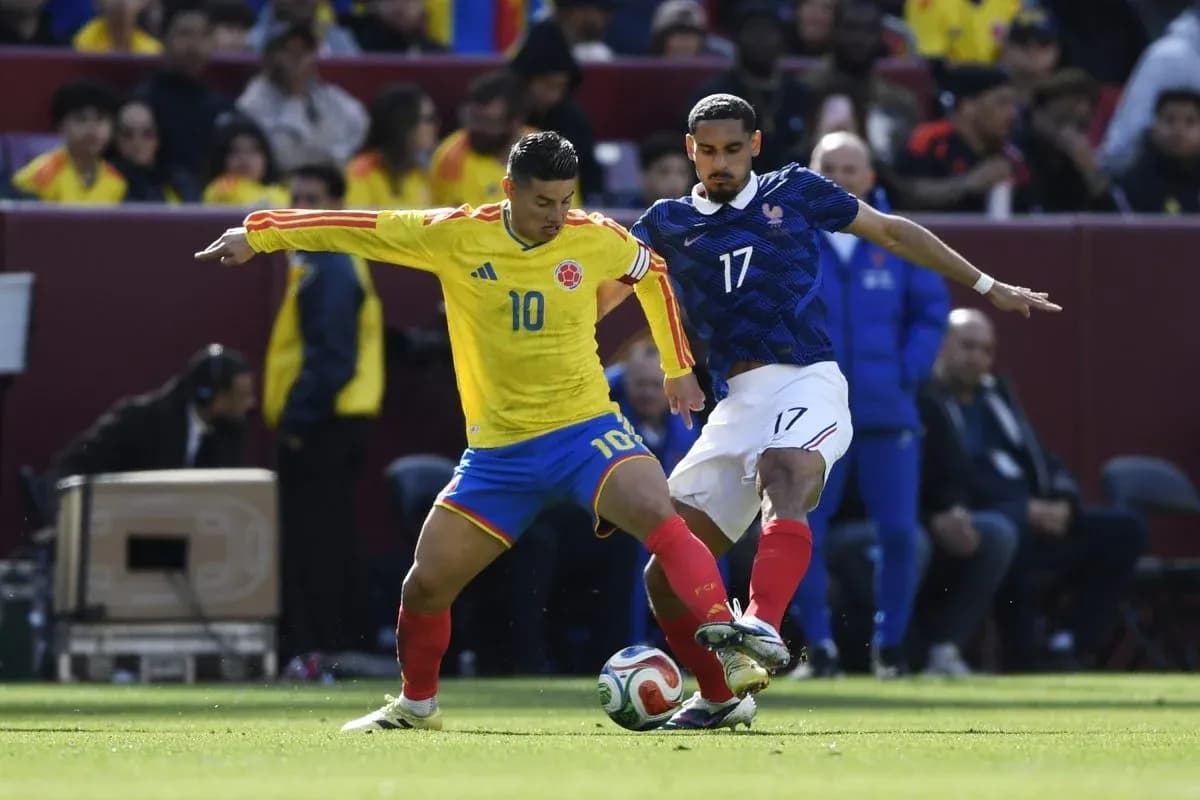
The pressure on that third centre-back slot has grown with every mention of Saliba’s back. Deschamps cannot afford sentiment. World Cups punish hesitation. So when France beat Northern Ireland 3-1 on Monday, the substitution at half-time carried more weight than a routine friendly change usually would.
Saliba did not reappear after the break. The player who replaced him was not Konaté.
It was Maxence Lacroix.
The Crystal Palace defender stepped in alongside Upamecano, and in doing so, sent a clear signal about the current hierarchy. L’Équipe reports that Konaté may have been quietly demoted from his role as first back-up, with Lacroix now seen as the primary alternative should Deschamps need to reshuffle his back line.
One switch in a warm-up game will not decide a World Cup. But it does reveal where trust currently lies – and who stands closest to the heart of France’s defence if the Saliba question moves from concern to crisis.