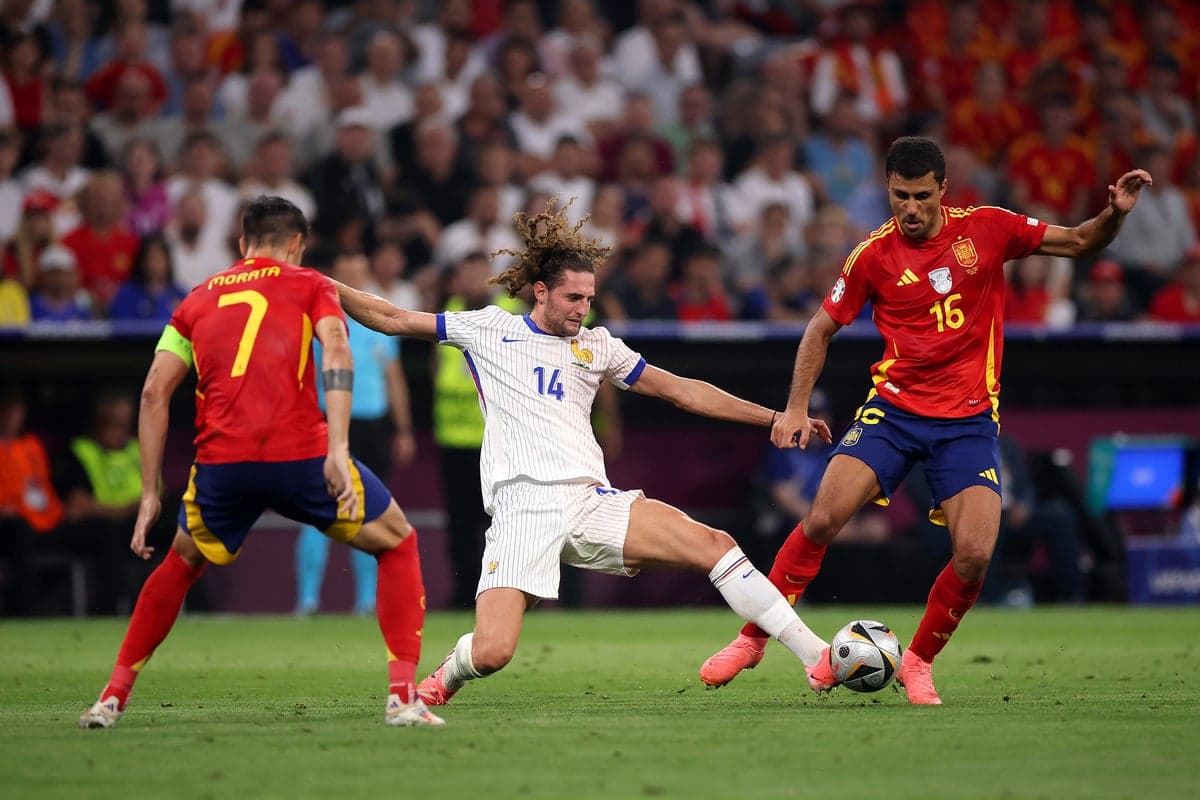
France vs Spain: A Tactical Duel That Could Shape Football’s Future
The World Cup quarter-final between France and Spain is more than just a contest of attack versus defense. The two teams represent contrasting tactical philosophies that might influence how football is played going forward.
France have advanced through the tournament with an impressive attacking display, scoring 16 goals in six matches. Their forwards enjoy considerable freedom, but the question now is how they will handle Spain’s trio in midfield. Didier Deschamps’s staff are debating whether to adjust their approach or rely on their dynamic attackers to break through.
Spain’s Tactical Mastery and Defensive Strength
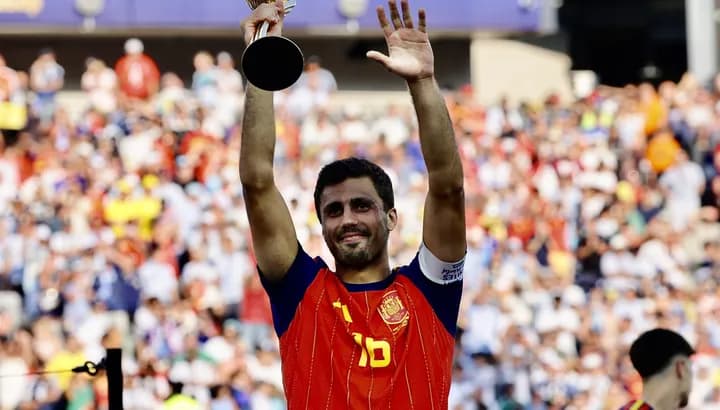
Spain boast the most coherent tactical setup in this World Cup. Their system, often compared to top club sides, demands strict roles, even from young talents like Lamine Yamal, who despite being closely marked, influences the game by exhausting defenders. Spain tend to drop their possession deeper by around 20 meters to avoid leaving space behind their lines for France’s speedy forwards.
This compact shape supports their remarkable defensive record—they have conceded only one goal so far. Their success is tied to relentless counter-pressing; they win the ball back within 11.57 seconds on average, faster than any other quarter-finalist. This high-energy defense occurs mostly in the opponent's half, which leaves a large area behind them, tempting players like Kylian Mbappe and Ousmane Dembele to exploit.
A Clash Beyond Simple Attack vs Defense
The matchup goes beyond classic forward versus backline. Spain will keep possession higher up the pitch, while Deschamps allows his forwards to operate from deeper positions. This contrast reveals many layers of tactics rather than a single defining difference.
The rivalry carries historical weight too. Comments from Adrien Rabiot about Yamal needing to "do more" before Euro 2024 highlight the ongoing battles between these neighbors, who have shaped modern football talent in very different ways.
Changing Fortunes Since Euro 2024
The roles have shifted dramatically since their last major encounter. Back then, Spain seemed fresher and more free-flowing, while France struggled to score. Injuries have since affected Spain’s attackers, forcing a tighter structure that some label "boring." Meanwhile, France’s youth influx has produced exciting players like Michael Olise and Desire Doue. Bradley Barcola has emerged as a lively attacker, Dembele is now a Ballon d’Or winner, and Mbappe appears more liberated than ever.
Deschamps, known for pragmatism, has crafted a French team that contrasts with his usual style by embracing offensive freedom.
Positional Play Meets Individual Freedom
This match epitomizes a battle between Spain’s positional game—a strategy long associated with Pep Guardiola—and France’s evolving concept of "relationism," which grants attackers more personal creativity. Spain’s structure tightly controls ball positioning, with limited freedom for players like Yamal and Dani Olmo, while France’s forwards interpret situations independently.
It’s like an orchestra facing free jazz—each style demands different skills and approaches. No other side executes Spain’s positional approach as well as they do, and France’s success depends heavily on their exceptional attackers.
Midfield Battles and Tactical Adjustments
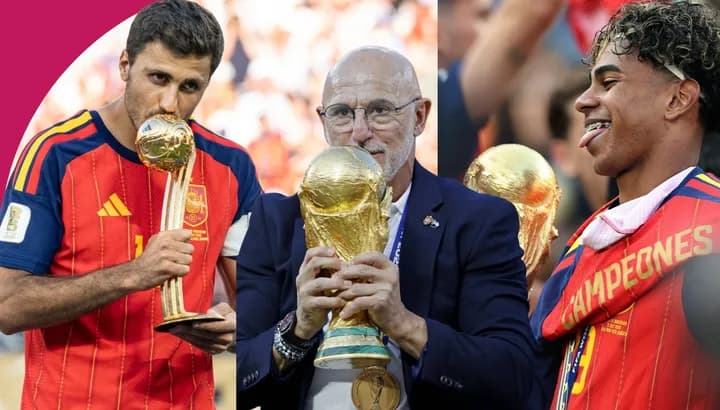
France lack a classic number-six midfielder like Spain’s Rodri. Instead, Deschamps relies on the industrious duo of Adrien Rabiot and Aurélien Tchouaméni. Spain, by contrast, can afford to keep two such midfielders on the bench.
This puts pressure on France to find ways to overcome the numerical disadvantage in midfield and increase their attacking threat even further.
How the Game May Unfold
Spain will likely dominate possession and gradually push forward, while France look to capitalize on quick transitions. Observers at the Los Angeles quarter-final noted vulnerabilities in Spain’s defense, especially under pressure from Belgium’s Charles De Ketelaere, who ended Unai Simón’s clean-sheet streak.
Spain remained composed after conceding, continuing to play their game. Against France, they must maintain this composure to limit time on the ball for their opponents’ star attackers.
More Than Just a Match
This contest offers much more than a simple confrontation of offense versus defense. It presents a philosophical duel between two football ideologies, with implications reaching beyond the World Cup itself. The outcome could influence tactical trends for years to come.