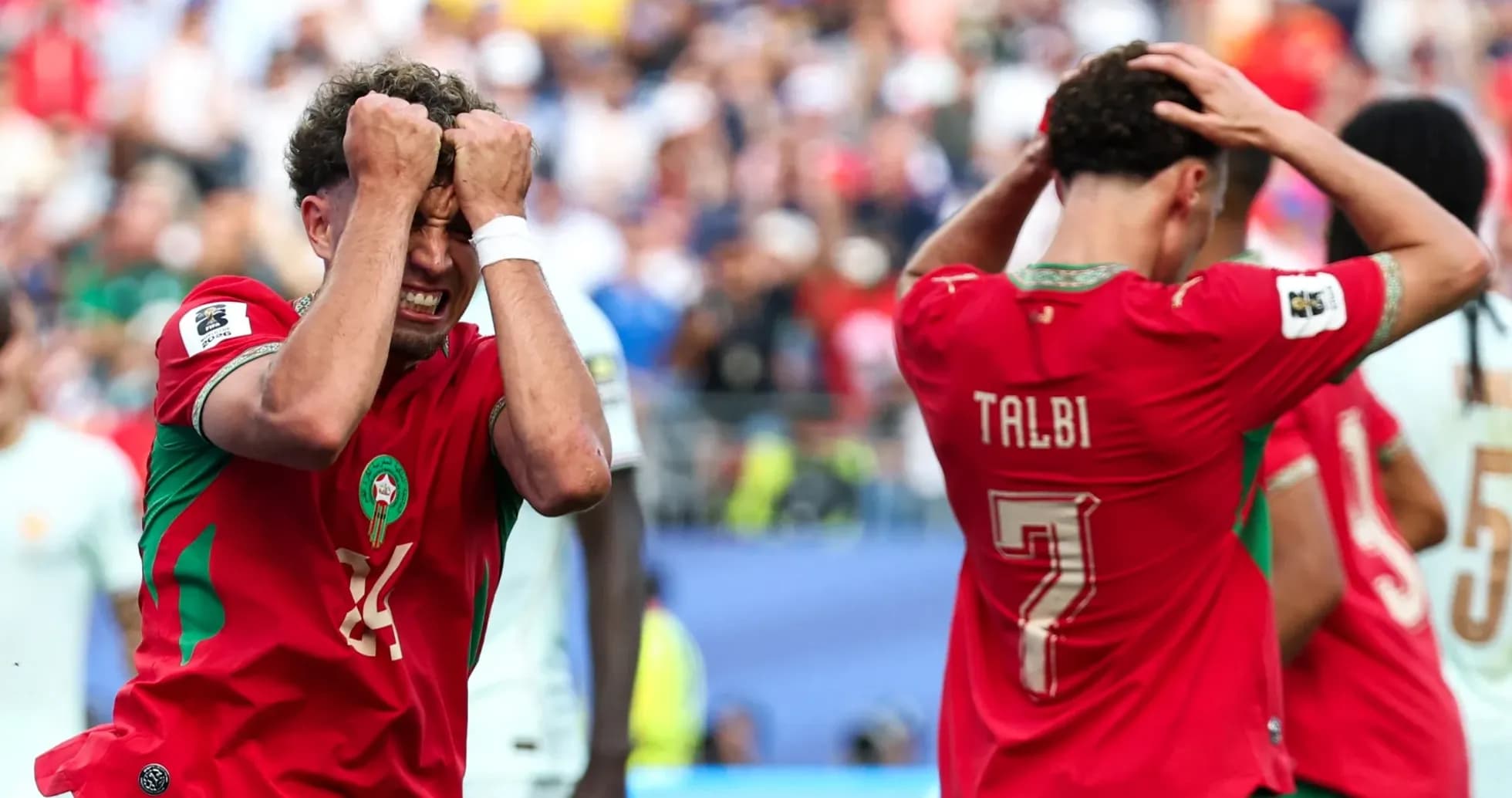
France Dominates Morocco in World Cup Quarterfinal
Boston, United States – By the final whistle, a curious sight unfolded on the concourses. Morocco shirts, scarves and flags everywhere – and yet, more than a few of their owners were happily pledging allegiance to the Kylian Mbappe fan club.
He had just knocked them out of another World Cup.
One ruthless finish. One devastating assist six minutes later. A 2-0 win for France. And from Moroccan mouths came the phrase nobody wanted to say but everyone recognised as true: “unstoppable force”.
“France are an unstoppable force because not only do they start with 11 very good players on the pitch, but they also boast one of the best bench strengths in the tournament,” said Yaseen Maroufi, shrugging as he trudged away from the stadium. “France are the team to beat, and it’s very hard to beat them at the moment.”
The scoreboard told of French control. The story of the night was more complicated.
Revenge on their minds, hope in their voices
This first quarterfinal of the 2026 World Cup arrived in a furnace. A scorching East Coast afternoon, a stadium painted red, and one word hanging over it all: revenge.
Morocco had not forgotten 2022. That semifinal defeat still stung, and this younger, fresher side carried the weight of a continent’s hope and a nation’s sense of unfinished business. There was a new coach, a new energy, and a familiar prayer: that the French captain might finally have one of those days when nothing quite works.
For half an hour, it looked like those prayers were being heard.
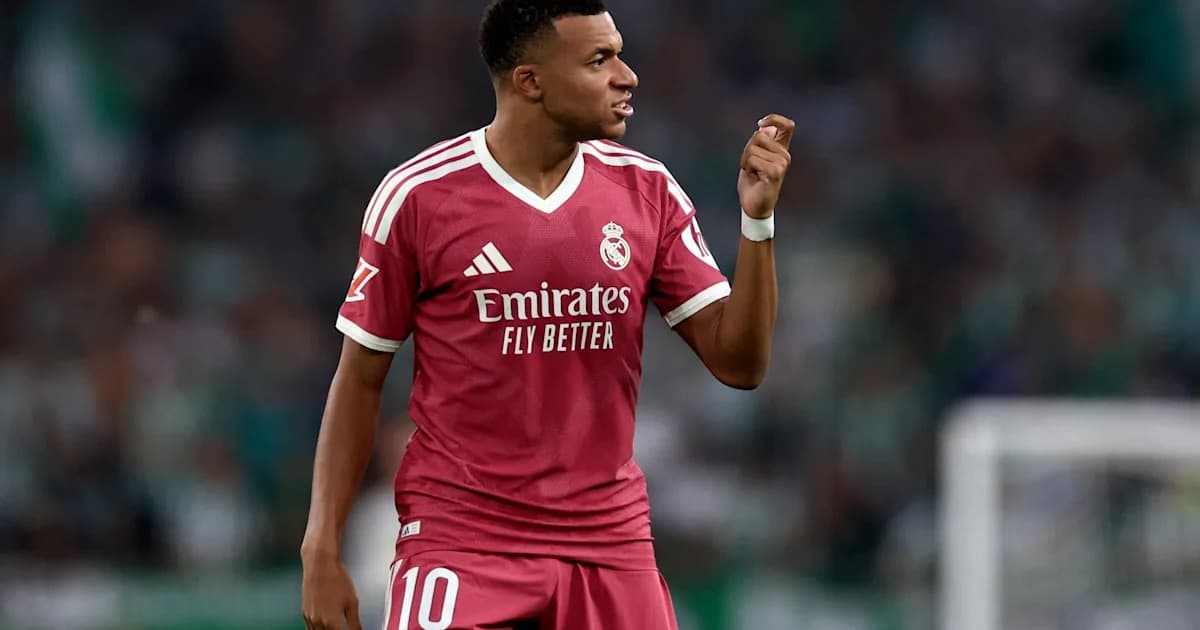
When Mbappe placed the ball on the spot in the 29th minute, the noise was deafening. Then came the delay. Players encroaching, movement around the box, the ball nudged and re-spotted. The tension stretched. Mbappe hesitated, stuttered into his run and rolled out a tame effort that Yassine Bounou smothered with almost theatrical ease.
Morocco’s hero of 2022 had his moment again. The Moroccan end erupted. Mbappe turned away, expression flat, the miss a perfect snapshot of a first half that never quite caught fire.
Both teams looked wary, as if scarred by what they knew the other could do. Attacks broke down in the final third. Midfielders recycled possession rather than risk the killer pass. It was tight, cagey, and strangely restrained for a game dripping with history.
Morocco push on – and pay for it
Half-time came with the tie still goalless and belief still intact. Morocco emerged with a different posture after the break. Shoulders higher. Lines pushed up. They were the first to land a punch, breaking into the French half and finally forcing a save – their only shot on target all night.
That was the gamble. To chase France, you must leave space. To leave space against this France is to invite trouble.
The shift in tone was almost immediate. As Morocco tried to tilt the pitch in their favour, gaps began to appear behind their advancing full-backs. Those are the channels Mbappe lives for. Suddenly he was gliding down the left, ghosting past defenders, forcing panicked shuffles and desperate blocks.
The pressure finally told on the hour.
Mbappe, now operating with the freedom he had been denied in the first half, carved through the Moroccan back line on the left. A feint, a burst, a shot, a scramble – and France had their breakthrough. His eighth goal of this World Cup, another cold, clinical strike in a career already full of them.
Morocco barely had time to reset.
Six minutes later, Mbappe stepped into a different role. No longer finisher, now conductor. He drew defenders, twisted away, and slipped the ball into the path of Ousmane Dembele. One touch, one finish, 2-0. Dembele’s fifth of the tournament, and a little slice of history: France became the first team ever at a World Cup to have two players reach five or more goals in the same edition.
From there, the pattern was brutal in its inevitability. Mbappe spun dizzying circles around tired legs, tormenting the Moroccan back line without adding to the score. The damage had already been done.
Silence, then a new kind of belief
For a while, Morocco had stood toe to toe with the 2018 champions. The first half, evenly fought and emotionally charged, had offered real hope. That hope evaporated quickly in the final half-hour, swallowed up by French efficiency and Mbappe’s sense of timing.
“Dima Maghreb” had roared around the stadium early on, a rolling chant that made this feel more like Casablanca than Boston. By the end, it had faded into an aching silence.
Only then did “Allez les Bleus” take over, French voices swelling as the clock ticked down and the scale of what this young team might achieve began to sink in. A French American fan, Claude Beyanoun, watched it all with his son Zach and could barely hide his excitement.
“It was wonderful to watch all this French talent,” he said, the satisfaction of a supporter who knows this might just be the beginning, not the peak.
On the Moroccan side, the emotions were heavier, more complex. The scoreline – 2-0 to France – was a cruel echo of 2022. Different stage, different team, same outcome. Any dream of this youthful group avenging the defeat of their predecessors had been swept aside with ruthless symmetry.
Faces were drawn as fans filed out, flags folded instead of waved. The wind had gone from their sails, but not, it seems, from their long-term ambition.
“We didn’t win this one, but we’ll win the next World Cup at home,” said Hamza, a Morocco supporter who offered only his first name, already looking ahead to 2030, when Morocco will cohost the tournament.
He paused, then added quietly: “We must carry on after the loss. This is football. This is life.”
France march on with a forward who looks determined to own this era. Morocco walk away with another scar, and a promise to return on their own soil. The question now is simple: when 2030 comes, will anyone have found a way to stop the force that pushed them aside again in Boston?