David Healy on Shelbourne's Radar Amid European Challenges
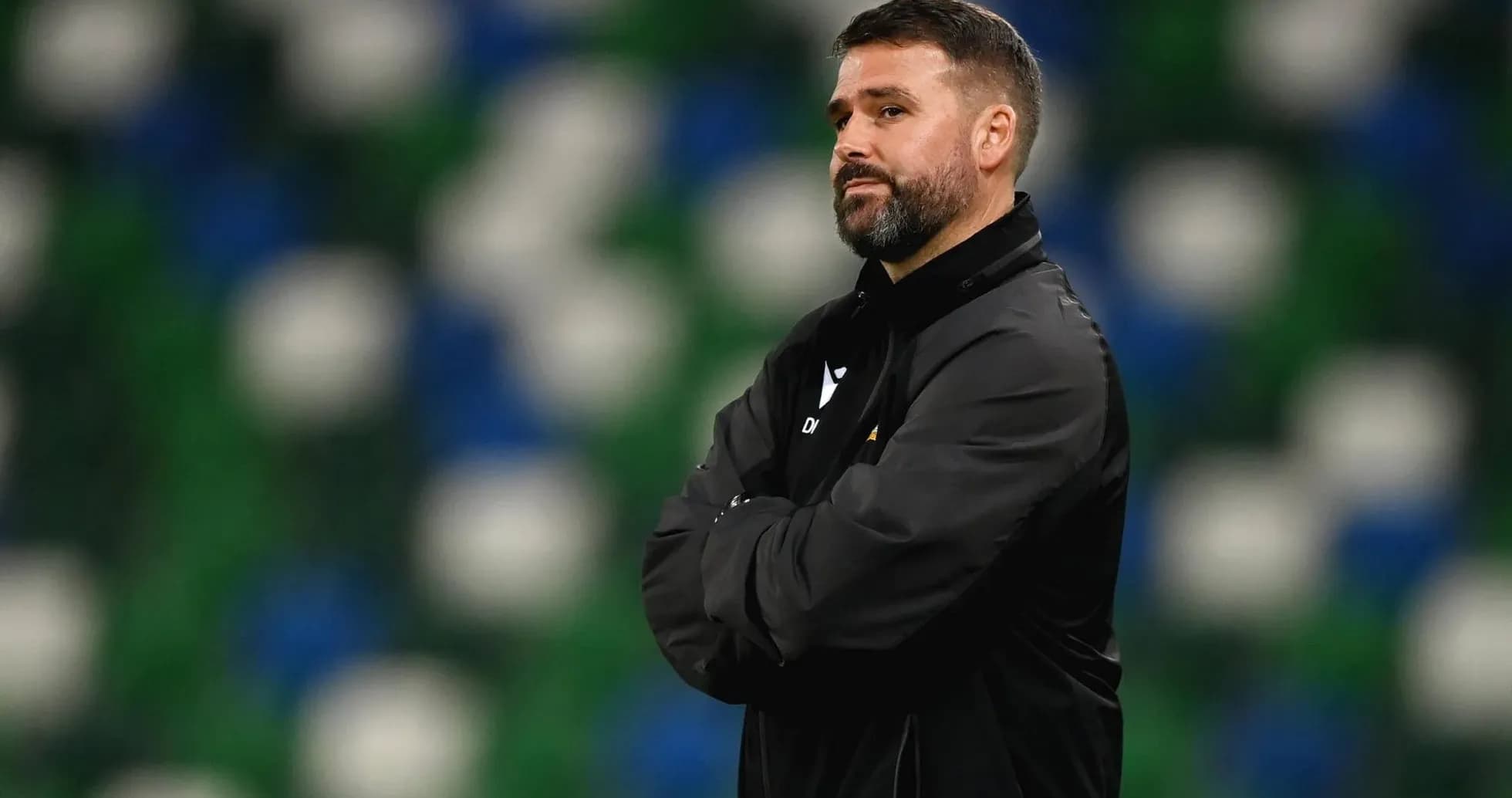
Shelbourne’s search for a new manager has taken a familiar turn – straight towards Belfast and the man who has dominated the Irish League for the past decade.
David Healy, the former Northern Ireland striker who has turned Linfield into a modern dynasty, is firmly on the radar at Tolka Park as the Reds look to put a permanent structure in place before their European campaign kicks off.
Healy on Shels’ radar as Linfield juggle Europe and interest
The timing is striking. While Linfield prepare for a second leg in Belfast, trailing 1-0 on aggregate to Nõmme Kalju after the first leg in Estonia, their manager is being heavily linked with a move across the border.
Shelbourne know Healy well. Linfield ran into them twice in Europe last season and lost both ties, as Shels powered through to the league phase of continental competition for the first time in their history. Those meetings left a mark – and not just on the pitch.
Healy spoke at length then about the League of Ireland’s growing strength, praising the impact of a fully professional Premier Division and pointing to Shamrock Rovers’ European exploits as a benchmark. Shelbourne, now part of that conversation, have not forgotten.
Interest from Dublin has not yet hardened into a formal offer, but discussions are understood to have started. The club have been sounding out several candidates since Damien Duff’s successor, Jon Daly O’Brien, was dismissed, yet the expectation is clear: an appointment is coming before their “European adventure” begins.
A serial winner with options
Healy has been in charge at Linfield since October 2015. In that time he has delivered six league titles, two Irish Cups and four League Cups – a haul that underlines why his name routinely surfaces whenever a serious job opens up on either side of the Irish Sea.
Clubs have circled before. Raith Rovers came close to landing him in 2024, only for Healy to withdraw his candidature late in the process. Dundee explored a move for him last year as they weighed up their own vacancy. On both occasions, Linfield managed to hold their ground and keep their manager, rewarding him with a contract extension that runs until 2028.
That deal, however, contains a crucial clause: the 46-year-old is free to discuss approaches from other clubs. It is that opening Shelbourne are now testing.
For Linfield, the situation is delicate. They are fighting to overturn a European deficit at Windsor Park while trying to fend off interest in the man who has shaped their modern identity. For Shelbourne, it is an opportunity to anchor their future to one of the most respected coaches in the region.
Shelbourne pause the league, not the rebuild
On the pitch, Shels are in a strange holding pattern. Like all Irish clubs in Europe, they have a free league weekend and a bye through the first round of the Europa Conference League qualifiers. There is no domestic fixture to distract from the bigger picture.
U20 manager Lorcan Fitzgerald has been holding the fort since O’Brien’s dismissal. Under his temporary watch, Shelbourne have drawn with Sligo Rovers and beaten Dundalk, a steadying return in awkward circumstances. Next comes an FAI Cup trip to Kerry on Friday, a potential banana skin that arrives just as boardroom decisions gather pace.
The cup tie will be another test for Fitzgerald, but the sense around the club is that his role is interim by design. The hierarchy want their long-term man in place before the first European ball is kicked.
Healy’s warning on full-time football
If Shelbourne do push hard for Healy, they will be chasing a manager who has thought deeply about the structural gap between the two leagues.
Speaking around last year’s meetings with Shels, Healy was blunt about the difference between the full-time League of Ireland and the largely part-time Northern Irish Premiership.
“The gap between the leagues is big,” he said, pointing to Shamrock Rovers’ European run and Shelbourne’s progress as evidence of where full-time football can lead. He acknowledged the growing pressure for clubs north of the border to follow suit – to go full-time, to raise standards, to better prepare for nights like those against Shels.
But he also laid out the cost.
He highlighted Drogheda United’s FAI Cup win and their move to full-time status as a model, while warning that many clubs in the Northern league simply cannot afford that leap. Push too hard, he argued, and “the bottom end could fall out” of the game.
Healy painted a stark picture: players steeped in part-time, semi-professional football, reliant on second jobs that often pay more than their football wage. Force them into full-time contracts that do not stack up financially, and you lose them. Ask clubs to fund full-time squads and infrastructures without serious external backing, and you risk breaking them.
His conclusion was clear. Without government support, building a fully professional league in the North is “impossible” in any sustainable way.
A decision that cuts across two leagues
All of that context matters now. Shelbourne are operating in the environment Healy has praised – full-time, ambitious, European-bound. Linfield, for all their success, are battling against structural limits he has been unafraid to spell out.
So the question hanging over the next few weeks is simple and sharp.
Does David Healy stay to keep fighting that battle at Windsor Park, or does he cross the border to join a club already living in the full-time world he believes lifts teams onto the European stage?