England's Palm-Cooling Technology for World Cup Heat
England’s World Cup preparations in the United States are not just about tactics, shape and set-pieces. They are about science – and survival in the heat.
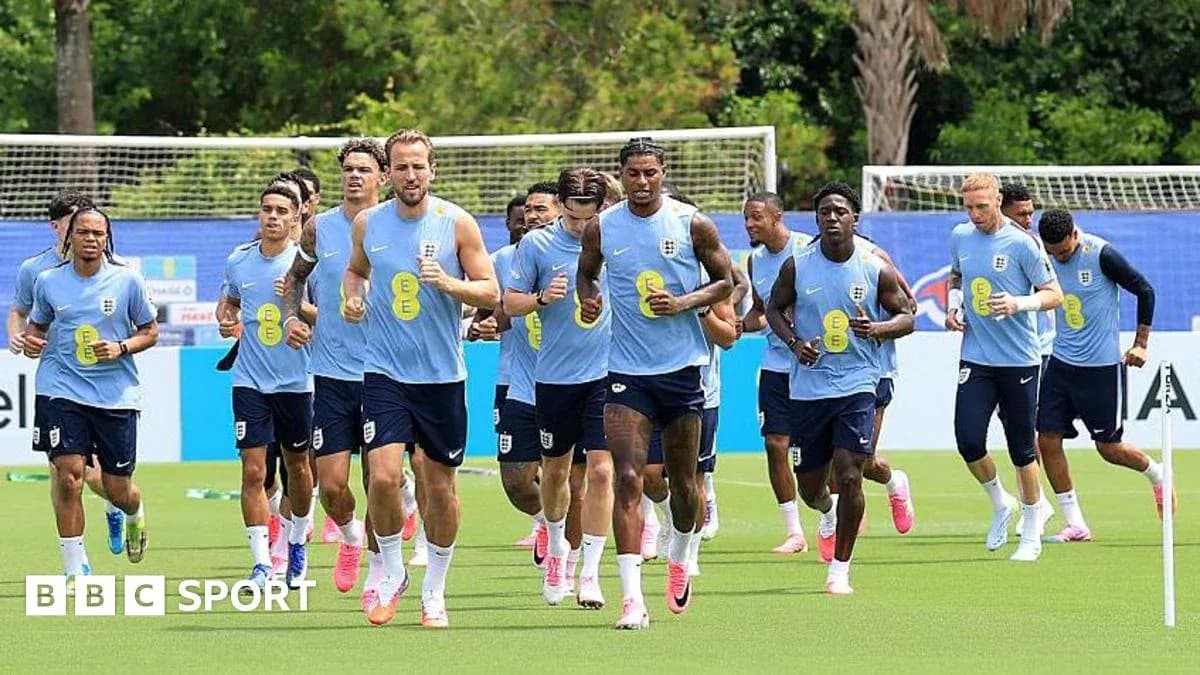
With temperatures already nudging 32C during their opening training session in West Palm Beach, Florida, the squad have rolled out high-tech palm‑cooling devices in a bid to keep bodies sharp and minds clear when the tournament kicks off.
Fighting the Florida furnace
The numbers are stark. Studies suggest at least a third of World Cup fixtures will be played in temperatures above 26C, with humidity adding another layer of difficulty. That sort of climate drains legs, scrambles decision-making and turns the final 20 minutes into a test of pure endurance.
So England have gone looking for marginal gains.
Palm‑cooling technology, already used by elite outfits such as Manchester United, has moved from laboratory theory to touchline reality. Players grip specially designed devices that cool the palms, targeting areas rich in blood vessels. The aim is simple: draw heat out of the body quickly, lower core temperature, and buy the players more high-intensity minutes.
In a sport where a split-second sprint or a single recovery run can decide a game, that matters.
Science in service of the shirt
The coaching staff plan to use the devices during training in Florida and during official water breaks at the World Cup. The routine will become as familiar as a drinks pause: a few gulps of fluid, a brief chat with the bench, hands on the cooling units, then back into the contest.
Jordan Henderson underlined how central acclimatisation has become to this first week in the US. The midfielder described the opening days as a period to “build capacity to the conditions”, stressing that the upcoming warm-up matches will extend that process under match pressure.
He was quick to credit the specialists working in the background, praising the “team behind the team” for the “top level research” into cool-down and recovery methods. For all the talk of formations and selection, this is where the hidden work gets done.
“Hopefully that can give us a little edge when we get into the tournament,” he said. That is the bet England are making: that the science in their hands can keep their legs fresher than the opposition’s.
Warm-up schedule before the real heat
The theory will be tested soon enough. England face New Zealand on Saturday 6 June (21:00 BST), the first chance to see how players cope with the conditions under match tempo. Costa Rica follow on Wednesday 10 June (21:00), another step up in intensity and another data point for the sports science team.
Those friendlies are more than tune‑ups; they are live rehearsals for managing the climate, the cooling breaks and the physical demands that will come thick and fast once the tournament begins.
Thomas Tuchel’s side open their World Cup campaign against Croatia on Wednesday 17 June (21:00), then meet Ghana on 23 June (21:00) and Panama on 27 June (22:00). Three group games, all in punishing conditions, all likely to reward the side that can run hardest for longest.
England have chosen their weapon: not just the ball at their feet, but the technology in their palms. Soon enough, they will find out if this small, chilled edge can carry them through the heat of a World Cup summer.