Robbie Keane's Controversial Potential Return to Celtic
Robbie Keane’s possible return to Celtic has ignited a storm long before any contract is signed.
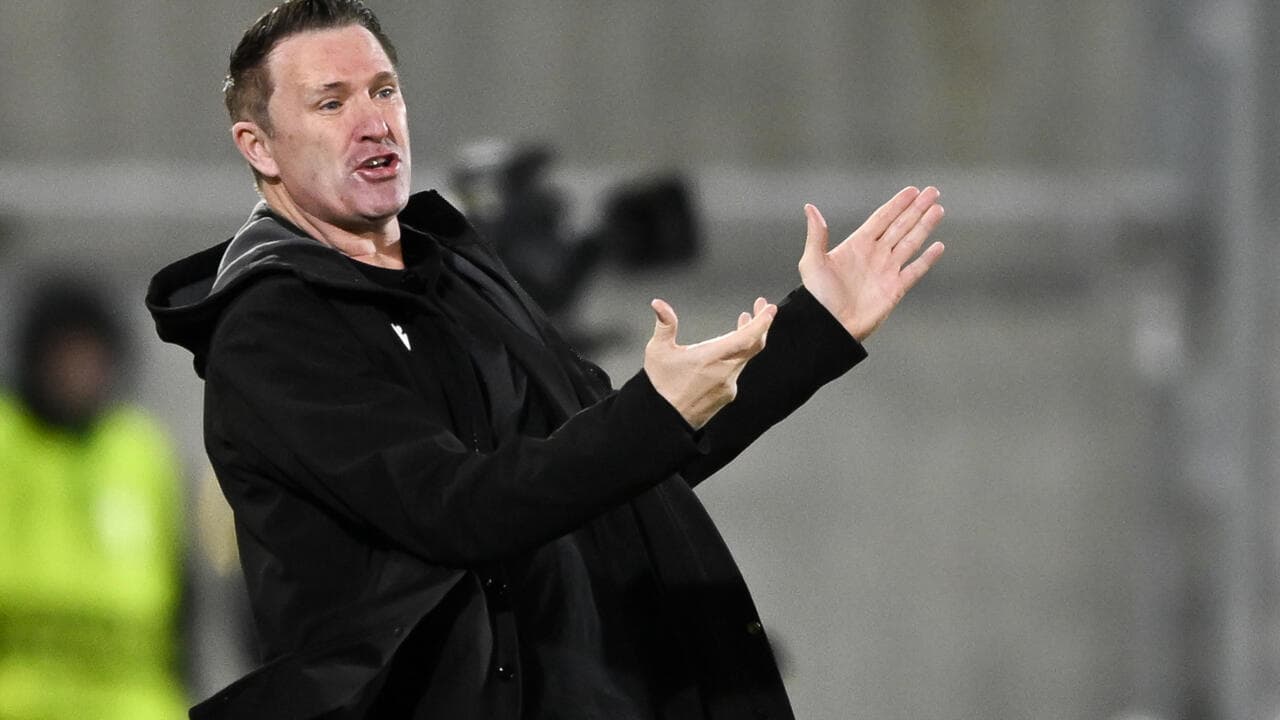
The former Ireland captain is the leading contender to take charge of the Scottish champions after reportedly entering talks with the club’s principal shareholder, Dermot Desmond. On football terms alone, it makes a certain kind of sense: a prolific loan spell in Glasgow in 2010, a high-profile name, recent success in management.
But this is not just a football decision. Not at Celtic. Not now.
A fanbase divided before a ball is kicked
Over the past week, graffiti and banners have appeared outside Celtic Park, blunt in message and impossible to ignore. They oppose the prospect of Keane becoming manager, turning what might have been a straightforward appointment into a flashpoint.
The resistance is organised. A group calling itself “Celtic Fans for the Liberation of Palestine” released a statement warning that hiring Keane “would be deeply divisive among the support”. The “North Curve Celtic” account on X then published a list of 67 groups said to have endorsed that stance, underlining the scale of opposition among some of the most vocal sections of the support.
The statement leans heavily on history and identity, not tactics or formations.
“Celtic supporters have a long and proud history of solidarity with the Palestinian people,” it reads. For those backing the campaign, that history cannot be squared with Keane’s recent past.
Keane’s Israel decision at the heart of the anger
The flashpoint is Keane’s spell in charge of Maccabi Tel Aviv.
Keane was appointed by the Israeli club in June 2023, months before the Hamas-led attacks of October 7 and the subsequent bombardment of Gaza. The timeline matters to some. To many others, it does not change the core issue: he chose to stay.
“For us, Robbie Keane’s decision to manage Maccabi Tel Aviv during the genocide in Gaza is impossible to ignore,” the fans’ statement continues. It goes further, painting the choice in stark moral terms.
“To choose to manage a club in Israel while, less than 40 miles away, the same country was using indiscriminate weapons of mass murder against defenceless people is unconscionable.”
The language is raw, and deliberately so. This is not a polite disagreement over style of play. It is a fundamental clash over what Celtic represents.
Celtic’s roots and the weight of symbolism
Celtic’s origins are central to the argument. The club was founded by a community shaped by famine, displacement and the scars of empire. That story has long fed into a sense of solidarity with other oppressed peoples, including the Palestinian cause.
“Celtic was founded by a community shaped by the legacy of genocide, displacement and famine. Our club’s roots lie in solidarity with those who suffered injustice and oppression,” the statement reminds the board.
For years, Palestinian flags have been a regular sight at Celtic Park, particularly during European nights. During the current conflict, they have become even more prominent, a visual declaration of where a large part of the support feels the club’s moral compass should point.
The message to the hierarchy is direct: “We urge the Celtic board to listen to supporters’ concerns and reconsider this appointment.”
Keane’s perspective and recent success
Keane, now 45, led Maccabi Tel Aviv to a league and cup double before resigning in 2024 and moving on to Hungarian club Ferencvaros in 2025. From a purely sporting angle, that record strengthens his candidacy for a club that expects to dominate domestically and compete in Europe.
He has previously explained why he chose to stay in Israel for the full campaign, pointing to his responsibility to the staff who followed him there.
“I have a duty of care,” he said. “My analyst, for example, was at Middlesbrough for 12 years. For him to come with me to Israel and then for me to just walk away, leaving him and his family.”
To his critics, that justification will not outweigh the symbolism of remaining in post during the conflict. To others, it shows a manager who stands by his staff and honours commitments under extreme pressure.
Those two readings of the same decision now collide at Celtic’s door.
A pivotal call for the Celtic board
All of this unfolds against the backdrop of success on the pitch. Interim boss Martin O’Neill, 74, stepped in and delivered the Scottish Premiership title on the final day of the season, then added the Scottish Cup for good measure. He has steadied the club and reminded supporters of a golden era.
Yet Celtic now stand at a crossroads where football, politics and identity intersect more sharply than at any point in recent years. Appointing Keane would bring a decorated former player and a title-winning coach. It would also test the relationship between board and support in a way few managerial decisions ever have.
The question facing the directors is no longer just who can win the next title. It is whether they are prepared to push through a controversial appointment in the face of organised, values-driven opposition from within their own stands – and what that choice will say about the modern Celtic.