Chelsea's New Era: Moving On from Mourinho
Chelsea stand at another crossroads, but this time the path back to Jose Mourinho looks all but blocked.
The club are deep into their search for a permanent successor to Liam Rosenior, who was dismissed after a short and ultimately unsuccessful attempt to steady a listing ship. In the stands, the soundtrack has been familiar: Mourinho’s name, chanted whenever the football turns flat or the results turn sour. On the pitch and in the boardroom, though, the mood music is very different.
Board looks young, not nostalgic
Chelsea’s hierarchy, led by Behdad Eghbali and the sporting directors, are steering firmly away from a third Mourinho act. The focus has shifted towards younger, tactically progressive coaches already embedded in the Premier League: Bournemouth’s Andoni Iraola and Fulham’s Marco Silva are among the leading names under consideration.
This isn’t a snub to history. It’s a statement of intent.
BlueCo’s long-term vision is built around a younger, data-driven squad and a manager who can grow with it. Club sources maintain that the next appointment must align with that recruitment model and bring contemporary Premier League experience, after missteps with less proven options in recent seasons. The brief is clear: no more experiments that leave the club scrambling to recover lost ground.
That clarity leaves little room for a romantic reunion.
Mourinho’s shadow, but a different stage
Mourinho remains the most decorated manager in Chelsea’s history and a defining figure in the modern identity of the club. His first spell, from 2004 to 2007, ripped up the old order: 124 wins in 185 games, two Premier League titles, and a swagger that reshaped English football. His return in 2013 delivered another league crown and a League Cup before his departure in 2015.
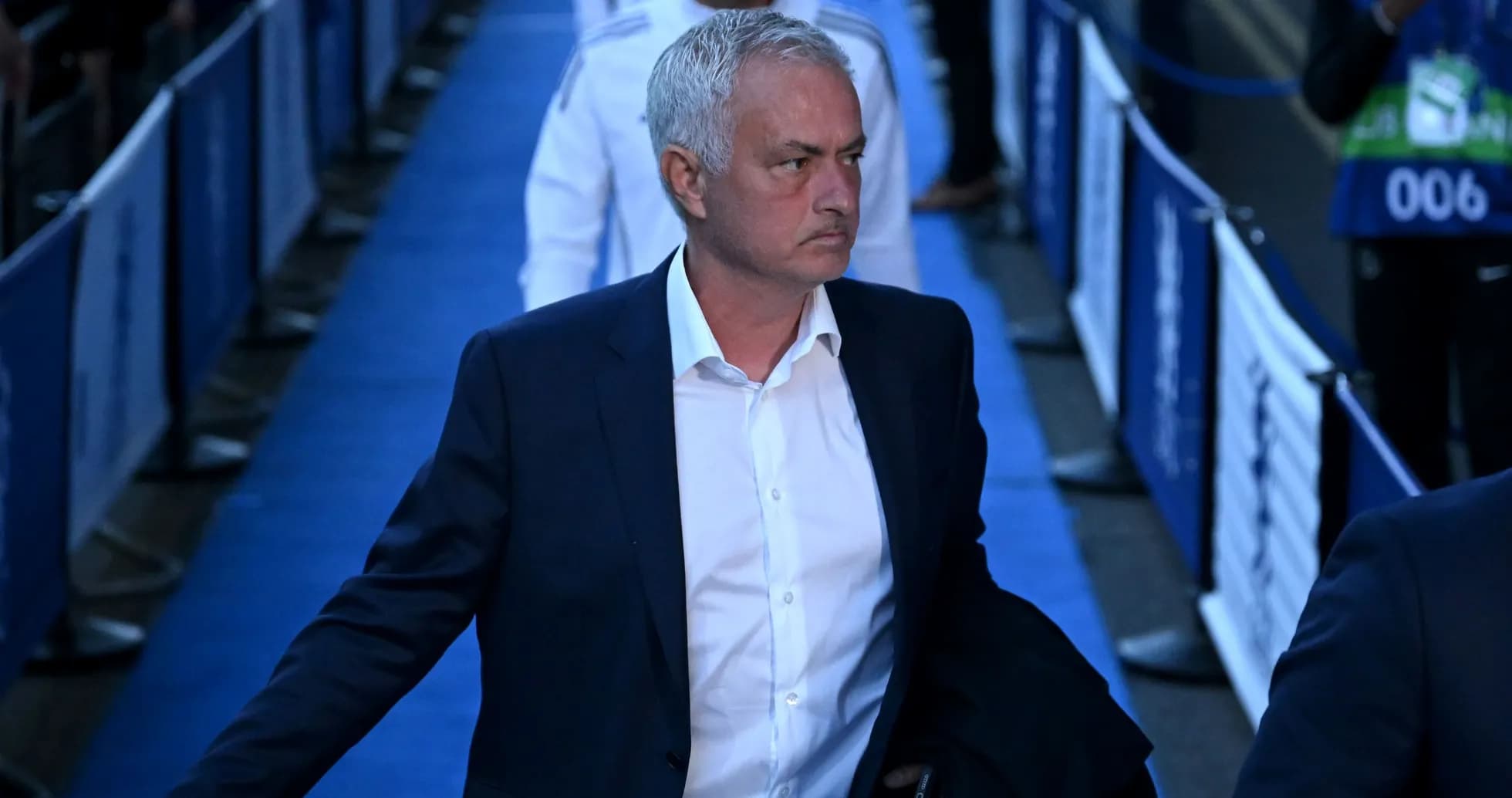
His presence still lingers over Stamford Bridge. Even his recent visit with Benfica in the Champions League stirred old emotions. Yet inside the club, decision-makers are not preparing a throne for his return. They are looking elsewhere.
Journalist Ben Jacobs summed up the internal stance when speaking to GiveMeSport: “Chelsea have always downplayed Jose Mourinho returning. So something would have to change there. It’s worth just noting that Mourinho is expected to be a free agent and a lot of people actually think that he’s quite likely to walk into the Portugal job after the World Cup.”
That line tells its own story. While fans dream of one last ride, Mourinho’s next chapter is increasingly being framed not in west London, but on the international stage.
Interim control, long-term stakes
For now, Calum McFarlane steps into the breach. He will guide the first team until the end of the season, buying the board crucial time to get this decision right. This is not a caretaker in name only; his spell gives Eghbali and the sporting structure breathing space to conduct a thorough vetting process rather than another rushed pivot.
The criteria are uncompromising. Proven Premier League pedigree. Tactical clarity. A profile that fits the club’s recruitment and development strategy. That is why names like Silva and Iraola carry weight. Both have shown they can organise, energise and evolve teams in this league against bigger budgets and deeper squads.
The pressure, as always at Chelsea, is immense. The wrong call can waste a season. The right one can define a cycle.
End of the “Special One” era?
Mourinho’s legend at Chelsea is secure. Two eras, three league titles, and a cultural imprint that still colours how supporters judge every successor. His name will keep echoing around Stamford Bridge whenever the team falters.
But the board’s intent is unmistakable. They are not building a bridge back to the past; they are cutting a new path, even if it means turning their backs on the most iconic figure the club has known.
If Mourinho does stride into the Portugal job after the World Cup, as many expect, it will mark a clean break: Chelsea moving on with a new-age Premier League tactician, and the “Special One” trading club turmoil for the rhythms of international football.
The question now is not whether Chelsea will go back to Mourinho. It’s which modern architect they trust to build a future that can finally step out of his long, imposing shadow.