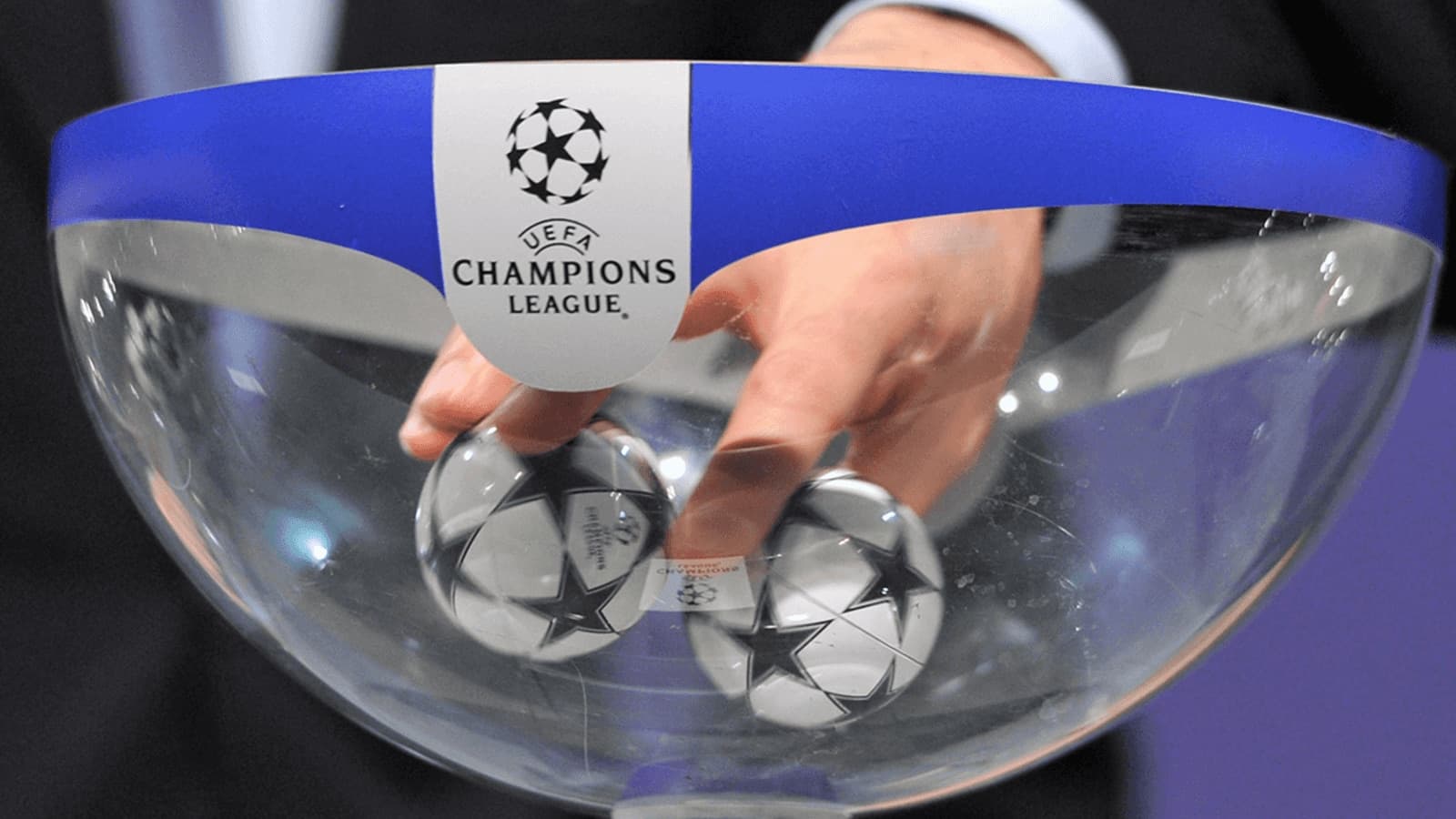
Champions League 2026/27: A New Era Begins
The pain of Budapest still lingers, but there’s no time to dwell. A second consecutive Champions League final reached, a shootout defeat to Paris Saint-Germain, and a first Premier League title since 2004 have only sharpened the club’s appetite. Europe awaits again in 2026/27 – and this time, the route is already taking shape.
Twenty-nine of the 36 places are booked. The rest will be decided in the heat of summer qualifiers, but the broad outline of the new Champions League landscape is clear. The league phase returns, the stakes remain brutal, and the margins will be even finer.
A New Era, Now Familiar
The 2025/26 season marked only the second year of UEFA’s revamped format, scrapping traditional groups for a single league table and expanding from 32 to 36 clubs. That system stays in place for 2026/27.
Eight games. Eight different opponents. Four at home, four away. No return fixtures in the league phase, no time to settle in. Every match carries weight.
Finish in the top eight and the reward is direct passage to the last 16. Slip anywhere between ninth and 24th and the road gets longer: a two-legged play-off to keep the European dream alive. Drop below that and the season’s European story ends before the knockouts even begin.
Two of those extra league-phase spots go to the nations whose clubs performed best collectively the previous year. In 2024/25, that honour fell to England and Spain, handing both the Premier League and La Liga an additional ticket. The result: five English clubs, five Spanish clubs, and a field stacked with heavyweights.
Last season, the team didn’t just cope with the new format – they set the standard. Eight games, eight wins, top of the league phase. No one had done that before.
Who’s In?
England sends five clubs into the Champions League next season: Liverpool, Manchester City, Manchester United and Aston Villa join the champions at Europe’s top table. Spain matches that power with Real Madrid, Barcelona, Atletico Madrid, Villarreal and Real Betis all qualifying via La Liga.
Italy and Germany bring depth of their own. Serie A will be represented by Napoli, Inter Milan, AS Roma and Como. From the Bundesliga come Bayern Munich, Borussia Dortmund, RB Leipzig and Stuttgart.
France’s contingent is smaller but no less dangerous. Defending European champions Paris Saint-Germain are back, joined by Lens and Lille. The Netherlands offers Eredivisie winners PSV and runners-up Feyenoord. Portugal’s flag is carried by Porto and Sporting Lisbon.
Galatasaray arrive from Turkiye, Slavia Prague from Czechia, Shakhtar from Ukraine and Club Brugge from Belgium, each having wrapped up their domestic titles and secured their Champions League spots long before the qualifiers began.
Seven more teams will fight their way in through the summer play-offs. Five of those will emerge from the ‘champions path’, reserved for title-winners from 42 different nations. The remaining two will come from clubs finishing second, third or fourth in their domestic leagues.
Those qualifiers will run until August 26. A day later, on August 27, the full picture will be revealed when the draw for the league phase is made.
The Draw: Who Lies in Wait?
The Champions League draw is never straightforward, and under the league-phase system it has its own logic. One rule stands out immediately: no domestic clashes at this stage. That means no Liverpool, no Manchester City, no Manchester United, no Aston Villa. No Premier League duels in the league phase.
UEFA’s club coefficient rankings split the 36 teams into four pots. The champions are safely in pot 1, among the elite. Paris Saint-Germain, Bayern Munich, Real Madrid, Liverpool, Inter Milan, Manchester City, Barcelona and Atletico Madrid complete a fearsome top bracket.
Pot 2 is hardly gentler: Borussia Dortmund, AS Roma, Sporting CP, Porto, Club Brugge, Real Betis, PSV Eindhoven and the Premier League’s Aston Villa and Manchester United are all in that mix.
Pot 3 brings a different kind of danger. Feyenoord, Lille, Napoli, RB Leipzig, Villarreal, Shakhtar Donetsk and Galatasaray all wait there, awkward opponents with enough quality to wreck any campaign.
Como and Lens are confirmed in pot 4, while Slavia Prague, Stuttgart and the seven qualifiers will be assigned to either pot 3 or pot 4 once the final play-off ties are completed.
From that structure comes a simple equation: two opponents from each pot, one home, one away. Eight games. There’s another restriction too – no more than two clubs from the same country can be drawn against the same side in the league phase. The mathematics are complex; the outcome is simple. There will be no easy path.
All pots will be finalised on August 26, once the last qualifiers are settled. Only then will the permutations stop and the reality of the schedule hit home.
Dates That Will Define a Season
The Champions League draw for the league phase lands on Thursday, August 27, 2026. That’s when the eight opponents will be locked in and the season’s European storyline will start to take shape.
The league phase itself stretches across the campaign, threaded through domestic battles. Matchdays fall on:
- September 8–10
- October 13–14
- October 20–21
- November 3–4
- November 24–25
- December 8–9
- January 19–20
- January 27
By the end of January, the table will be set, the top eight secure, the play-off contenders braced for one more hurdle.
The draw for those knockout play-offs comes on January 29, 2027, with the two legs scheduled for February 16–17 and February 23–24. Survive that, and the real gauntlet begins.
On February 26, 2026, UEFA will conduct the draw for the round of 16, quarter-finals, semi-finals and the final itself, mapping out every possible route to the trophy.
From there, the calendar tightens. The round of 16 will be played on March 9–10 and March 16–17. The quarter-finals follow on April 6–7 and April 13–14. The semi-finals arrive on April 27–28 and May 4–5.
Then comes the destination every contender is already dreaming of: Saturday, June 5, 2027. The Wanda Metropolitano in Madrid. A stadium steeped in recent European history, waiting for another club to etch its name into the competition’s mythology.
Last season ended with heartbreak from 12 yards. This one offers a different question: with a title defence at home and a place among Europe’s elite guaranteed, can this team turn relentless consistency in the league phase into the one thing still missing – the Champions League trophy itself?