Celtic at a Crossroads: Martin O'Neill Under Pressure
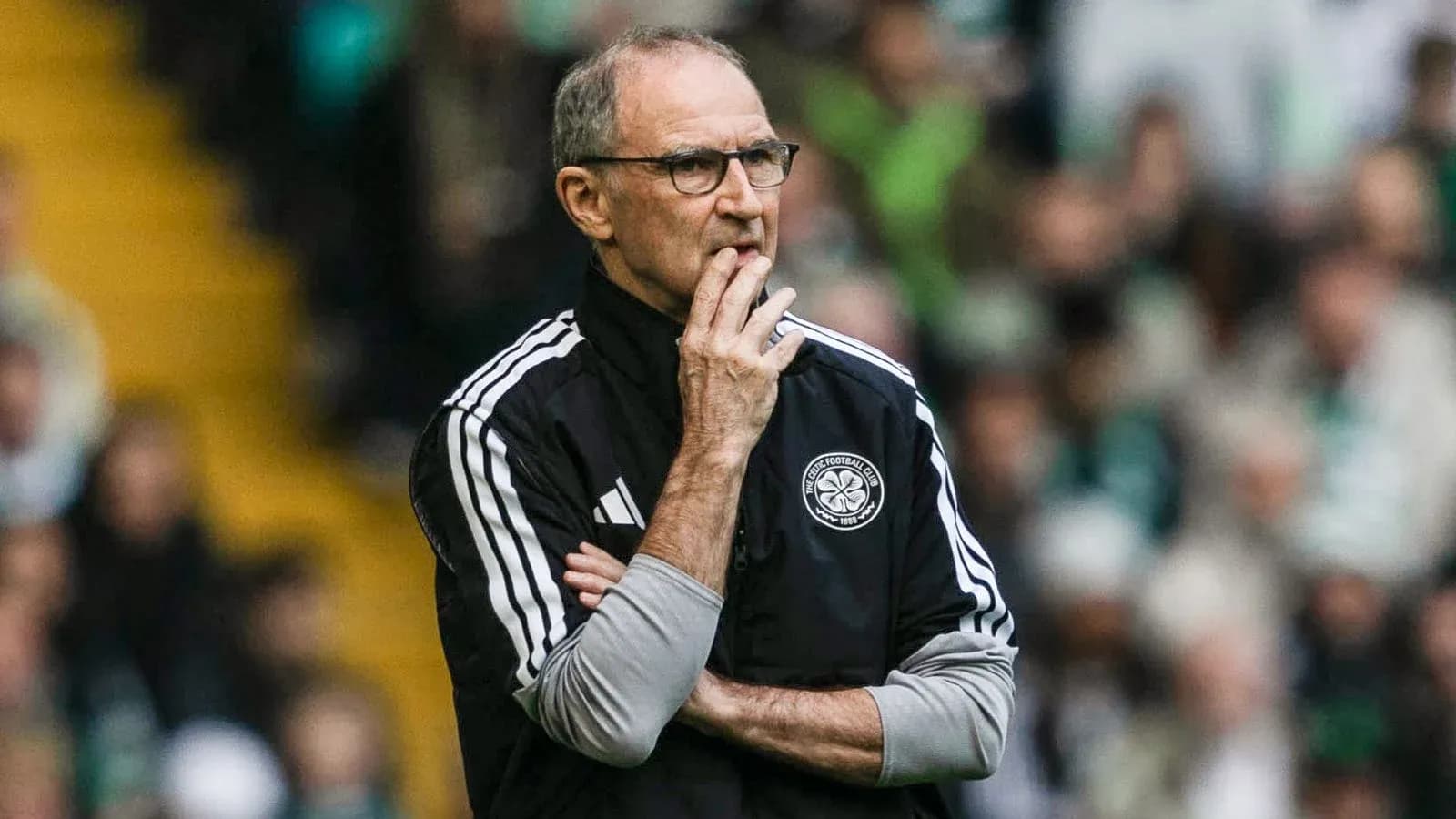
Martin O'Neill will always belong in Celtic folklore. That much is not up for debate. What comes next is.
At 74, the Celtic manager has already admitted he will stop and decide if it is "time to wrap it up" after a bruising week that ended with a 1-0 defeat to Rangers at Parkhead. Another Old Firm loss. Another performance that left more questions than answers.
It was their second defeat to Rangers in the space of seven days, a grim bookend to a spell that also included a 3-1 collapse against Ferencvaros in the Europa League. Three big games. Three damaging results. One international break that suddenly feels like a fault line in Celtic’s season.
The mood among supporters has shifted from concern to genuine anxiety about what the rest of the campaign holds if nothing changes in the coming weeks.
From Perfect Start to Alarming Slide
On paper, the Premiership table still flatters Celtic. Six wins from six to open their title defence, top of the league heading into the break. But the numbers don’t tell the whole story.
Even during that perfect start, Celtic looked unconvincing at times. The warning signs were there. They flashed red in Europe.
The Champions League play-off against LASK should have been a procession. Celtic were 4-0 up on aggregate and cruising. Then came an epic collapse that stunned even seasoned observers: out 5-4 over two legs, and out of the competition in a manner that cut deep into the dressing room and into the stands.
The response never came.
A heavy defeat to Rangers in the Scottish League Cup last weekend piled on the pressure. The Europa League loss to Ferencvaros added another layer of doubt. Then Rangers walked into a packed Parkhead and left with a 1-0 win, silencing 60,000 home fans and slicing Celtic’s potential eight-point cushion at the top down to just two.
The slide has been quick. The unease has been quicker.
Bigger Than the Dugout
It is easy to aim the blame squarely at the manager. But Celtic’s issues stretch well beyond the technical area.
Protests against the board last season highlighted deep frustration with the club’s direction. Those calls for change at the top have not disappeared; they have merely been waiting for another bad run to resurface with force.
Recruitment is under the microscope. Again.
Record signing Kasper Hogh and Camilo Duran arrived before that Champions League exit, but the real spending spree came late. Almost £20m went on Mika Baur, Haissem Hassan and Joel van den Berg before Deadline Day, part of a flurry of late business that also delivered five other signings.
O’Neill is still trying to work out how – and where – they fit.
He has chopped and changed in midfield, searching for a balance that never quite appears. On Sunday against Rangers, he went even further, abandoning wingers altogether. Celtic started with five defenders, Kieran Tierney pushed higher up the pitch in an attempt to find a new solution.
The outcome was painfully familiar.
This is a club that has won 14 of the last 15 league titles while routinely cashing in on key players without always replacing like for like. For years, domestic dominance masked the cracks. Some fans now feel that success bred complacency in the boardroom.
The landscape has shifted. Rangers are stronger. Hearts are a serious presence. Celtic have spent big this summer, but many supporters fear that only a trophyless season will finally hammer home the message: money in the bank means little if the quality on the pitch is not right.
The Weight of a Legacy
No one at Celtic carries more history on their shoulders than Martin O’Neill.
He came back twice last season as interim manager and steadied a listing ship, turning what looked like a lost campaign into a league and cup double. It was a throwback to his first era at Parkhead, when he delivered seven major trophies and took the club all the way to the UEFA Cup final in 2003.
Back then, Celtic under O’Neill were hard, ruthless, horrible to play against. This version is the opposite: fragile in big moments, easy to rattle, prone to crumbling when the pressure rises.
After last season’s rescue act, O’Neill decided he was not ready to retire. He took the job permanently, 21 years after his first spell ended, with the backing of a support that adored him.
They still do. But love does not silence doubt.
Even the most loyal are now wondering if this is the moment for him to step aside before the story turns sour. The last week has not helped.
He made bold calls after the defeat at Ibrox, changing his line-up and approach for the Ferencvaros tie. They failed. He made more sweeping changes for Sunday’s Old Firm clash. Same story. Same problems. Same result.
He can still match last season’s achievements. The trophies are still on the table. But if he cannot solve the structural flaws in this squad, he risks something no legend wants to face: a season without silverware and a legacy frayed at the edges.
A Season Not Yet Lost
Strip away the noise and one fact remains: Celtic are still top of the Scottish Premiership.
Speaking to Sky Sports after the defeat to Rangers, O’Neill insisted "there's very much between the teams" and pointed to the club’s history as proof it "will fight back" from a turbulent week. He asked for perspective, calling the situation "concerning" but "not a disaster" and saying, "We have to rethink and reset."
He is right about one thing. The season is not gone.
Seven league games played. Thirty-one to come. Seven Europa League fixtures still on the schedule. There is time – not unlimited, but real – to repair, to regroup, to remind everyone why Celtic have dominated Scottish football for more than a decade.
The fixture list after the break offers both risk and opportunity:
- Motherwell away on October 11
- Benfica away in the Europa League on October 15
- Hearts at home on October 18
- Celta Vigo at Parkhead on October 22 in Europe
- Hibernian away on October 25
- Dundee United at home on October 28
That run will not just test Celtic’s title credentials and European hopes. It will test the durability of a 74-year-old manager’s belief that he can still bend a season – and maybe his own story – back in his favour.