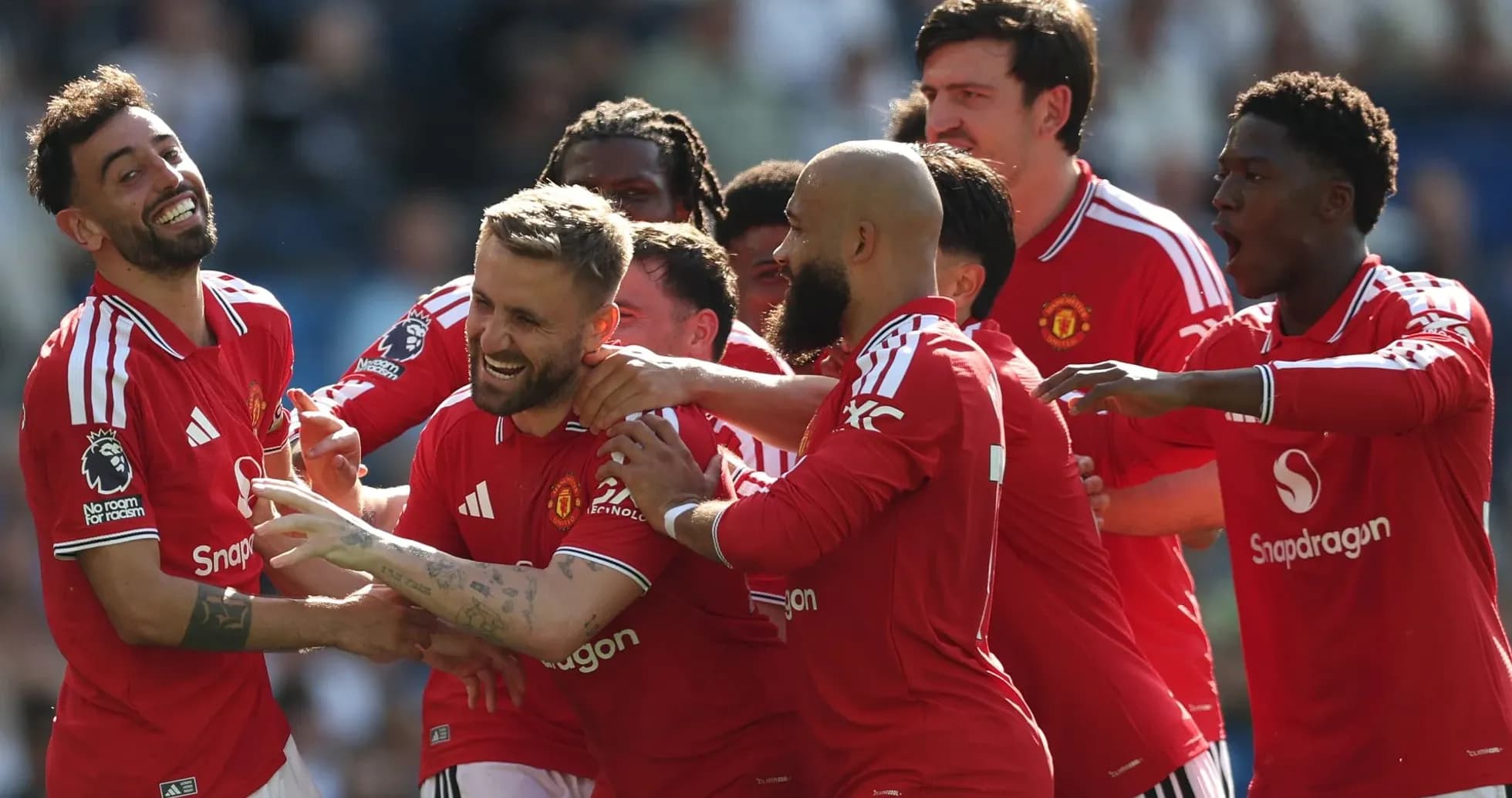
Michael Carrick's Impact at Manchester United: A Calm Reset
Sir Alex Ferguson walked away 13 years ago with 13 league titles, a European crown and the belief he had left Manchester United built to last. The Theatre of Dreams felt like it would keep staging title parades on autopilot.
It didn’t.
David Moyes, Louis van Gaal, Jose Mourinho, Erik ten Hag, Ruben Amorim – big reputations, big ideas, brief revivals. None managed to drag United back to the summit while City, once dismissed as “noisy neighbours”, turned into the dominant force across town.
This season, something finally shifted. Not a revolution, not yet, but a change in mood and in direction.
Carrick’s calm reset
Michael Carrick, the understated midfielder who quietly hoarded five Premier League titles under Ferguson, stepped in as interim manager and immediately steadied a listing ship. The football wasn’t always thrilling. The results, and the feeling around the club, were different.
He has now been handed a two-year contract. That alone tells a story.
Under Carrick, United rediscovered some of the basics that had deserted them in the post-Ferguson churn: structure, resilience, a sense that players understood what was being asked of them. There were standout performances – the home win over Manchester City, in particular, caught the eye – and a strong finish to the campaign that hinted at something more substantial than a short-term bounce.
Hope has crept back into Old Trafford. So has expectation.
With plans being drawn up on and off the pitch, the conversation has already moved to the summer window and what smart recruitment might unlock. Could this be the launchpad for a genuine title push in 2026-27?
Pallister’s verdict: progress, but patience
Gary Pallister, a four-time title winner under Ferguson and a man who knows what a championship side looks like, isn’t ready to go that far.
Speaking to GOAL in association with Spreadex Sports, he cut through the noise. A couple of signings, he said, can transform a team. But a title challenge? Not yet.
His view is blunt: United still have building to do.
Pallister has been impressed by Carrick’s impact, but he is not dressing it up. The team, he feels, has not been “brilliant” across the board. There were two or three standout games – City at home foremost among them – and a handful of strong, comfortable wins at the end of the season. The difference, in his eyes, lies less in the aesthetics and more in the mentality.
Carrick, like Ole Gunnar Solskjaer before him, has tapped into the emotional core of the club. He has restored some fight for the badge, some edge, some refusal to fold. United, for too long, looked like a team detached from its own history. Under Carrick, that connection has started to reappear.
Now comes the real test.
Carrick has assessed the squad. He understands where it is light, where it is ageing, where it lacks personality. Pallister’s stance is clear: give him the chance to bring in his own players and see how far that can take United.
The feel-good factor is back. The fans sense it. The players, by all accounts, do too. The next step is to turn that mood into something tangible – into a side that can sustain a challenge, not just flicker into life in big games.
Rashford at a crossroads
Amid all the talk of arrivals, one of the biggest questions of the summer concerns a player who already belongs to Manchester United.
Marcus Rashford sits awkwardly at the heart of both the “in” and “out” columns. Loaned to Barcelona last season, linked with a permanent move, yet still tethered to Old Trafford by contract and by the story of his rise from the academy.
No agreement has been reached with Barça. No clean break has been made. As Rashford focuses on World Cup duty with England, his club future hangs in the balance.
Pallister has been consistent about where he stands. Previously, he has said he would not bring Rashford back. The end of Rashford’s time at United, before his loan, left enough scars to make a reunion feel complicated.
Now, though, there is a new variable: Carrick.
Carrick knows Rashford. He has worked with him. He understands the player’s personality, his rhythms, his body language, his dips and surges in confidence. That familiarity changes the equation.
The key questions are as much emotional as tactical. Would Rashford even want to return? Has he already signalled a preference to stay away? Does he see his future in Barcelona’s colours rather than United red?
On pure ability, there is no debate. Rashford remains a high-quality forward and, crucially, a United lad. The version of him from two or three years ago – direct, ruthless, fearless – would walk back into Carrick’s squad. In that scenario, as Pallister puts it, bringing him back would be a no-brainer.
The problem is the way it ended. The drop in form, the scrutiny, the sense of disconnect with the crowd. That history cannot be erased with a handshake.
Pallister leaves the door ajar, but only just. Managers see players differently. They back themselves to reach those who have drifted. If Carrick believes he can flip Rashford’s mentality, sharpen his focus and reignite the player who once tore through Premier League defences, then Rashford instantly becomes a major asset again.
Before any of that, though, there would need to be serious, honest conversations. Between manager and player. Between club and academy graduate. Between past frustrations and future ambitions.
Carrick has already changed the mood at Manchester United. The next phase – his signings, his calls on big names like Rashford, his push to close the gap on City – will decide whether this is just another brief upswing or the start of a genuine return to the standards Ferguson once set.