Borussia Dortmund Appoints Markus Hille as Loans Manager
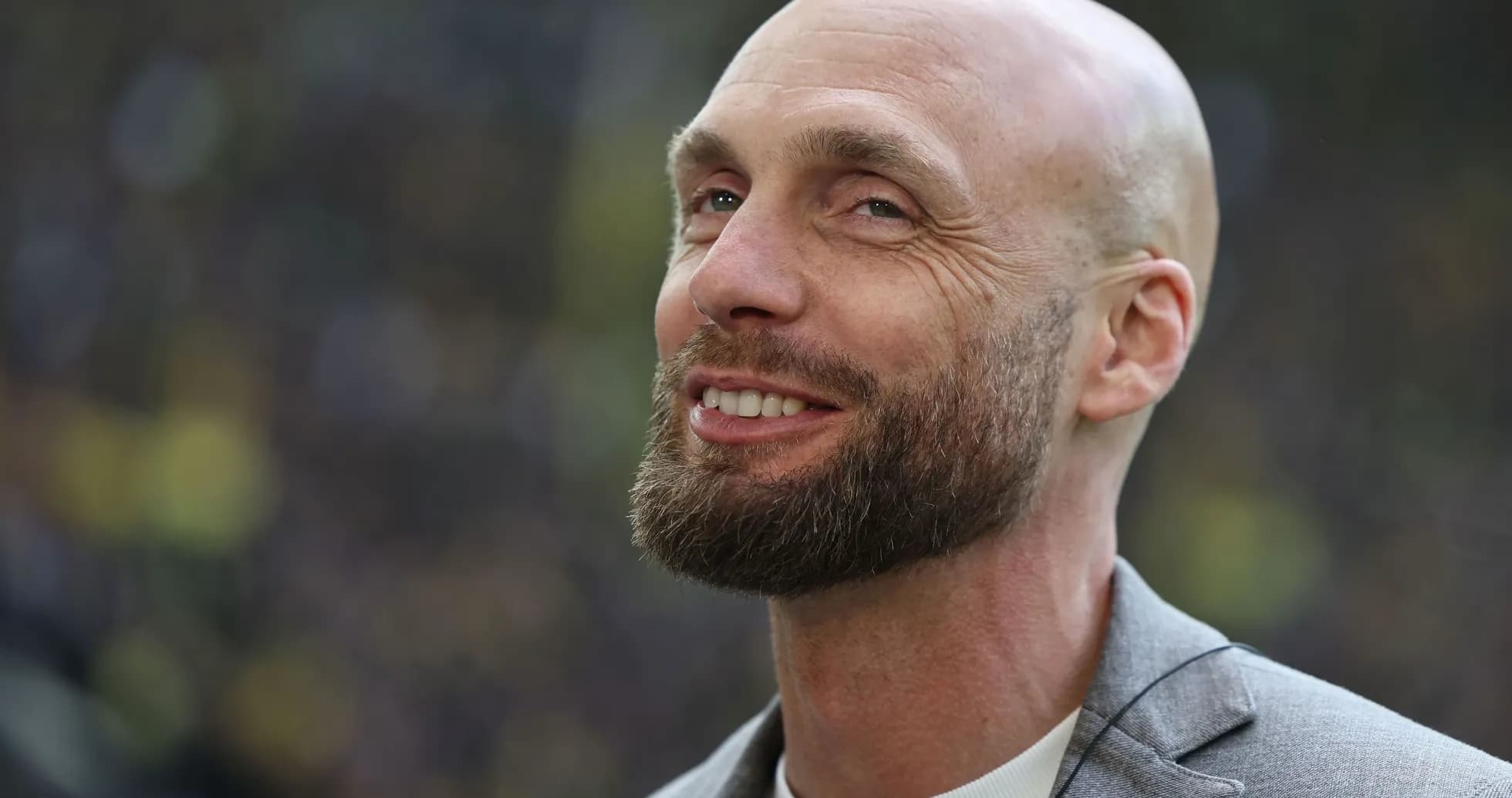
Borussia Dortmund have finally put a long-discussed idea into practice. The club have appointed former player Markus Hille as their first dedicated loans manager, a role designed to tighten control over the development of BVB talents sent out across Europe.
This is not a sudden brainstorm. The concept dates back to Sebastian Kehl’s time as sporting director, when Dortmund began to recognise a simple truth: too many promising players were disappearing into the loan wilderness. The club want to change that. They want more academy graduates in the first team, and fewer careers drifting off their radar.
After a public recruitment process that drew more than 300 applicants, Hille emerged as the choice. At 45, he arrives with a profile that fits Dortmund’s self-image: grounded, experienced, and steeped in the club’s culture.
His brief is clear and demanding. Hille will not just rubber-stamp temporary exits; he will oversee the entire loan cycle. That means constant contact with players, regular dialogue with borrowing clubs and a hard look at whether each destination truly suits a BVB prospect before any agreement is signed. Environment, playing style, coaching staff, pressure level – all of it will be weighed before a youngster is sent away to grow.
Hille knows the terrain from the inside. As a player, he operated in Germany’s 2. Bundesliga with VfL Bochum and Arminia Bielefeld, the kind of unforgiving league where many loanees must prove themselves. Between 2007 and 2010, he wore Dortmund colours for the club’s reserve side, a detail that gives him a direct link to the pathway he is now tasked with strengthening.
When he stopped playing in 2015, he did not walk away from the game. He shifted into coaching and administration at Arminia Bielefeld, working in marketing and as assistant to the managing director before moving to the dugout. From 2016 to 2023 he served as assistant manager at the East Westphalian club, gaining a broad view of how a professional outfit is run and how young players either sink or swim.
At Dortmund, his appointment came through the office of Lars Ricken’s successor as academy chief, but it was Sven Mislintat’s sporting department that gave the concept weight. In the end it was sporting director Kehl’s successor, but in this case the key figure named is Book, who brought Hille in after consulting Paul Schaffran, head of the youth academy. The message is unmistakable: this is not a side project; this is a joined-up strategy between the first team and the Nachwuchs.
The timing is no coincidence. This season, the Bundesliga’s second-placed side have four players out on loan: goalkeeper Diant Ramaj (24, 1. FC Heidenheim), winger Julien Duranville (20, FC Basel), forward Cole Campbell (20, 1899 Hoffenheim) and midfielder Kjell Wätjen (20, VfL Bochum). Each of them represents a test case for the new structure.
Until now, Dortmund’s loan decisions often looked sensible on paper but lacked a central figure to monitor the reality week by week – the minutes played, the tactical fit, the coaching changes that can make or break a season. Hille’s role is to close that gap, to make sure that a loan is not just a line on a transfer list but a carefully managed chapter in a career.
Dortmund have long prided themselves on developing stars for the world stage. The next challenge is making sure fewer of their own slip through the cracks before they ever get the chance. Hille’s success or failure will be measured not in press releases, but in how many of today’s loanees run out at Signal Iduna Park as established first‑team players in the years ahead.