Barcelona Faces International Break Challenges with Player Departures
The training pitches at Barcelona are quieter this week, but nobody at the club is relaxed.
As the international break bites, Hansi Flick and his staff are watching departure boards more than tactics boards, counting bodies on planes and minutes on the pitch. The number is brutal: 17 Barcelona players have left to join their national teams. It was supposed to be 18, until Andreas Christensen’s left thigh problem ruled him out of Denmark duty.
The fear isn’t hysteria. It’s experience.
Flick admitted it bluntly a few days ago: he feels anxious when the players leave. He trusts the national team coaches, he said, and tries to stay positive. But trust doesn’t stop muscle strains, jet lag or awkward landings after 12-hour flights. It doesn’t stop a season from tilting on one bad step.
Spain-heavy, world-spread
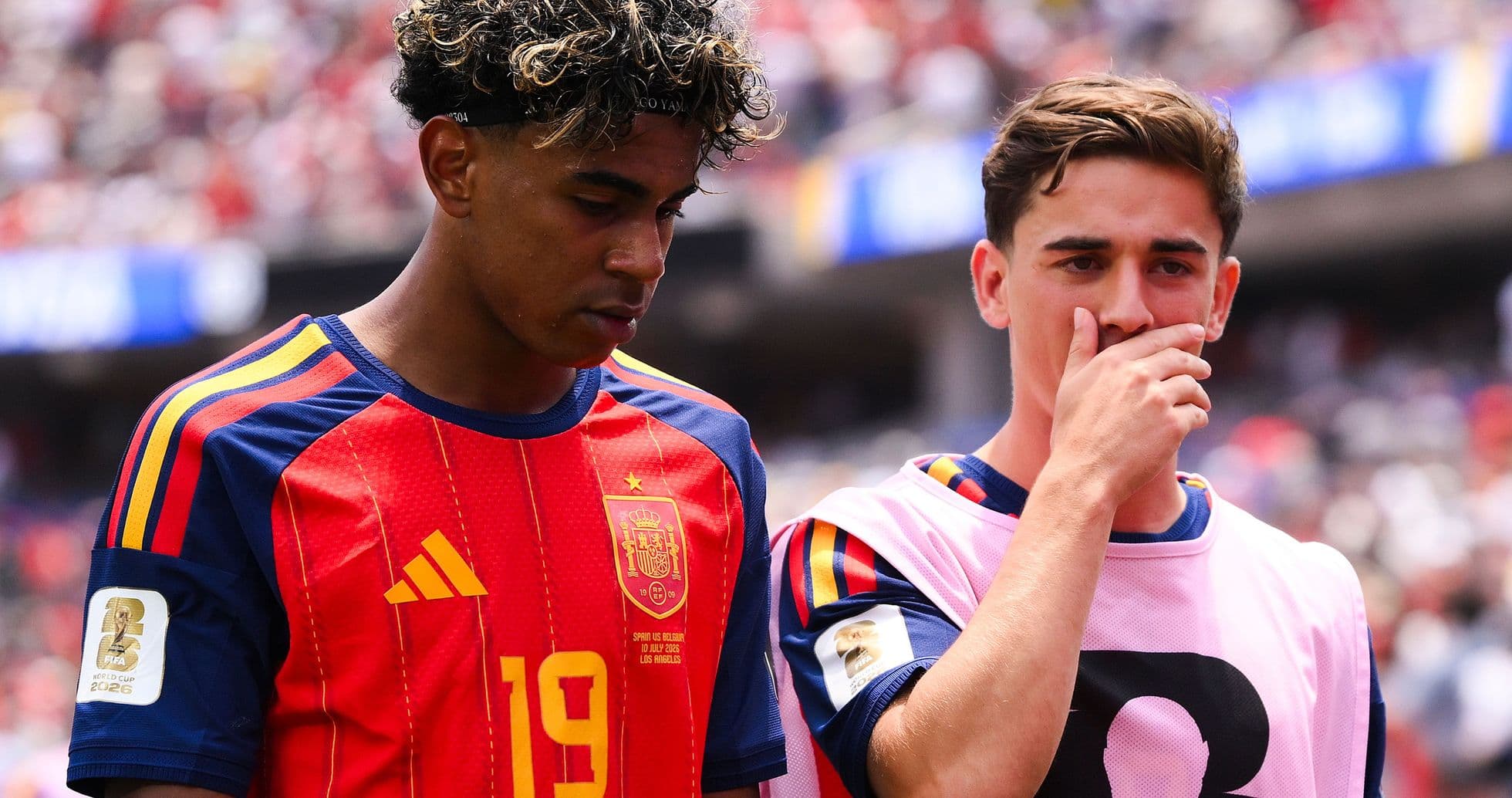
Barcelona are stretched across the map. Seven players are with Spain under Luis de la Fuente: Pau Cubarsí, Eric García, Rodri, Pedri, Fermín, Dani Olmo and Lamine Yamal. They will even meet a familiar face when they face Croatia: goalkeeper Dominik Livaković, another Barça player away with his country.
The conveyor belt doesn’t stop at the senior side. Xavi Espart and Marc Bernal have joined Spain’s under-21s for a demanding Euro 2027 qualifying window, with three matches lined up against Finland, San Marino and Romania. Three games, three different intensities, one shared concern back in Barcelona: accumulated fatigue.
And then comes the global spread. Karim Adeyemi has been recalled by Germany for games against Serbia and Greece. João Cancelo links up with Portugal. Anthony Gordon joins England. Jules Koundé reports for France. Hamza Abdelkarim travels with Egypt. Yann Bisseck heads off with Belgium’s under-21s.
And Raphinha boards a long-haul flight to Brazil.
Raphinha at the heart of the worry
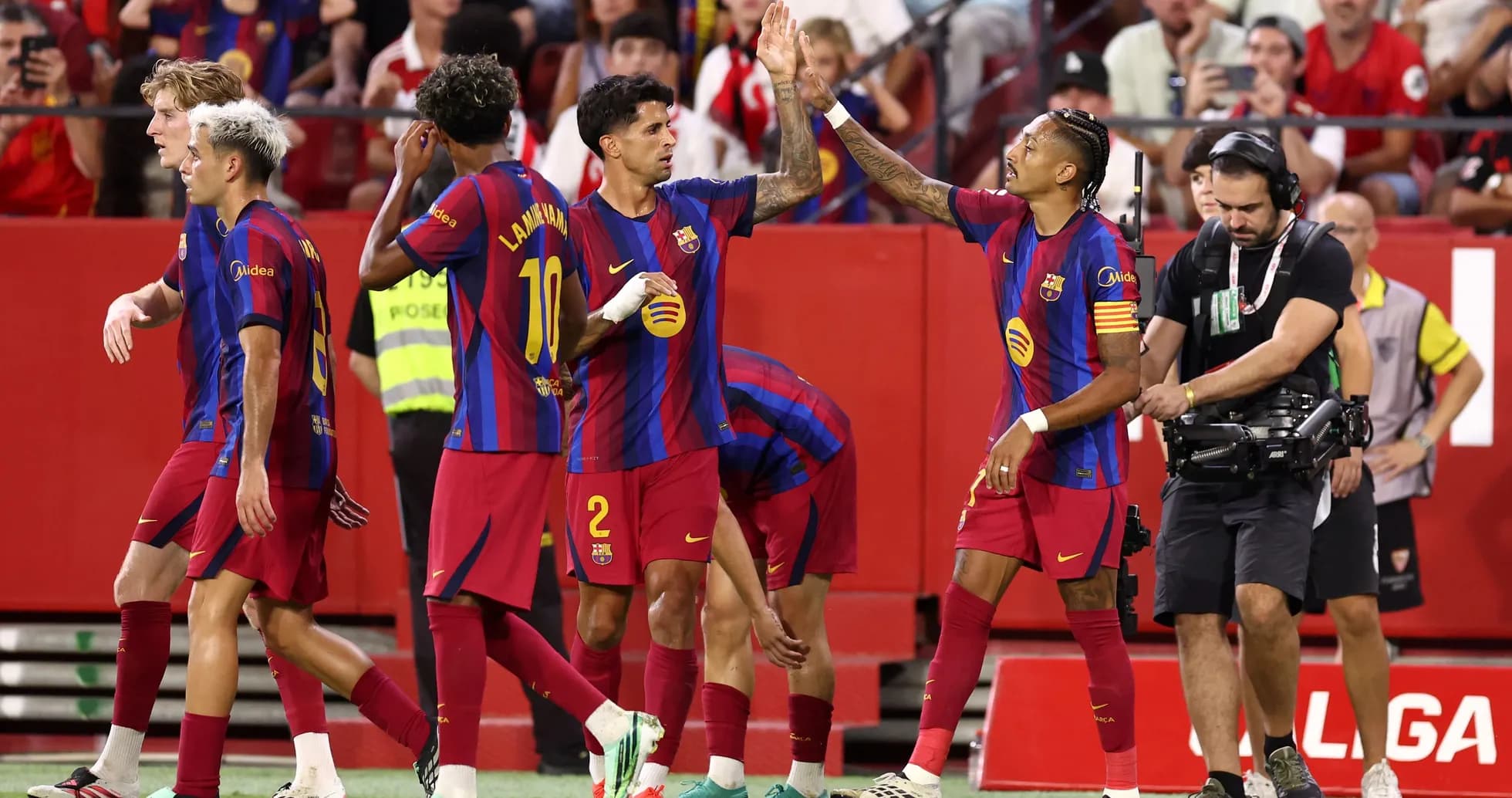
If there is one name that keeps popping up in internal conversations at Barça, it is his. Raphinha is the form player in Flick’s squad right now: 14 goals in eight matches, a ruthless streak in front of goal and a confidence that has turned him into the team’s sharpest weapon.
He is also the one who has suffered the most from these breaks.
Long trips across the Atlantic, heavy minutes, different training loads – the risk multiplies. Barcelona know this too well. The Brazilian has returned injured from previous call-ups, and the club’s medical department is braced again. The concern is not just the matches. It’s the flights, the time zones, the lack of proper recovery windows. Fatigue doesn’t show up on television, but it shows up in muscle scans.
Raphinha’s file is already thick. During the last World Cup he felt pain in the tendons of his right knee. A few months earlier, in March, during a Brazil–France friendly in the United States, he hurt the same area. He was dropped from the squad and sent straight back to Barcelona, where he spent five weeks out.
Last season, a series of scattered injuries constantly disrupted his availability. Now that he finally looks unstoppable, the timing of another international break feels cruel.
He is not alone. Lamine Yamal, Gavi and Frenkie de Jong have all returned from international duty with injuries in recent seasons. Each time, Barcelona have been left to pick up the pieces while the calendar marches on.
Laporta takes aim at the calendar
The tension is not confined to the dressing room or the medical office. It has reached the president’s podium.
At the club’s general assembly on Saturday, Joan Laporta did not hide his frustration with the current schedule. He spoke of his regret over this break – both its timing and the sheer volume of games his players are forced to play – and revealed his intention to open talks with international football bodies.
“This break affects the rhythm of our preparations. It harms us greatly,” Laporta told the assembly. “We have to keep fighting and find the right balance. There are many competitions, the Conference League and the Nations League … the schedule is extremely crowded.”
Crowded is one word for it. From Barcelona’s point of view, it feels relentless.
Seventeen players gone, one injured already, and their most in-form forward flying halfway around the world with a history of returning bruised. For a club chasing trophies on every front, the question isn’t whether the break is risky.
It’s how long they can keep surviving it.