AS Roma and Atalanta Battle to Tactical Stalemate at the Olimpico
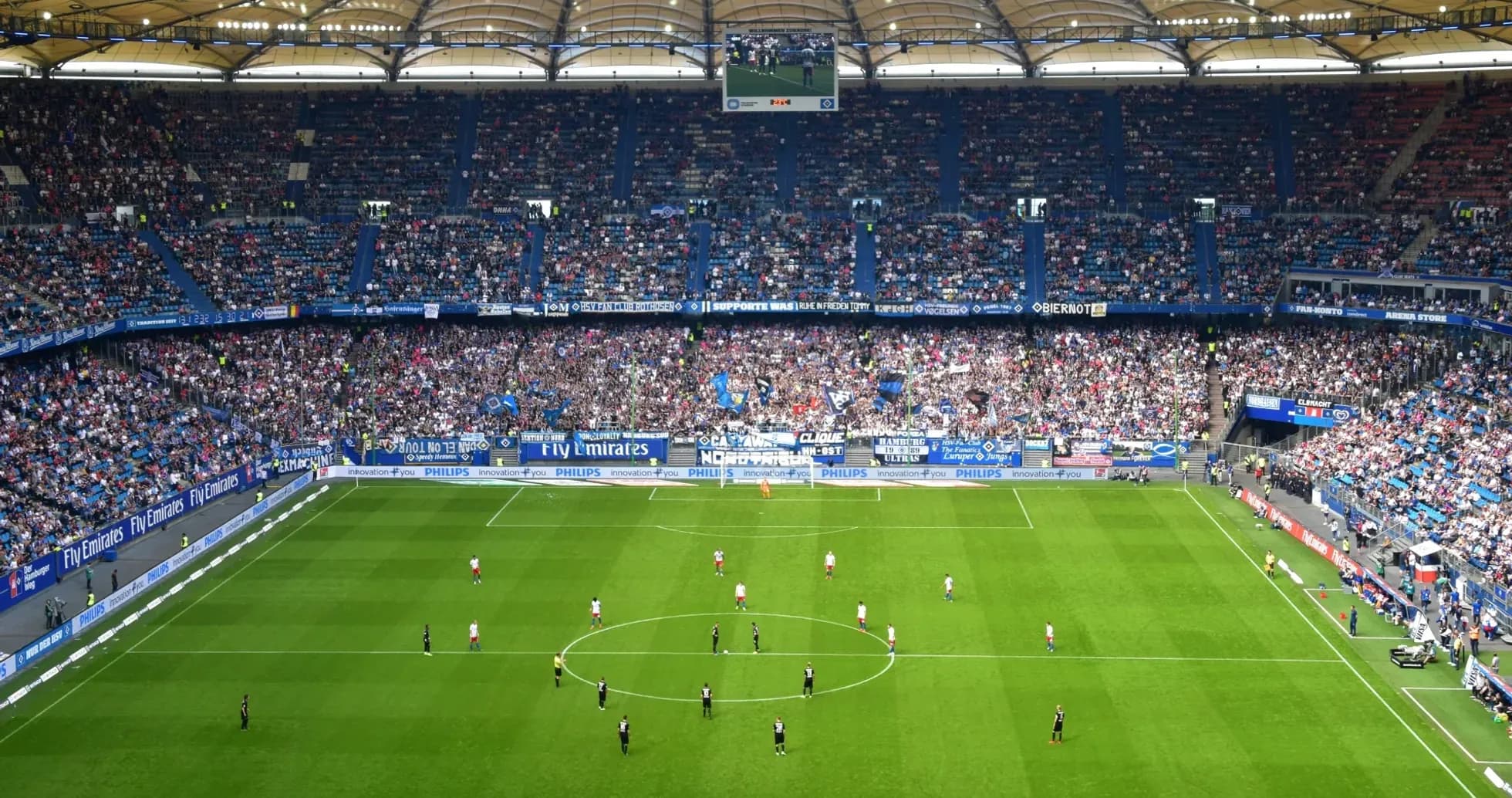
The Stadio Olimpico under floodlights, Serie A’s 2025 season turning into its decisive stretch, and two near-mirrored contenders staring each other down. AS Roma, 6th with 58 points and a goal difference of 17, and Atalanta, 7th with 54 points and a goal difference of 16, met in Rome with European positions on the line. Following this result, the 1-1 draw felt less like a stalemate and more like a tactical arm-wrestle between two sides whose seasonal DNA is strikingly similar: three-at-the-back structures, wing-driven width, and a preference for controlled aggression over chaos.
I. The Big Picture – Mirrors at the Olimpico
Both coaches leaned into what their seasons have taught them. Roma deployed their trusted 3-4-2-1, a shape they have used 25 times in the league, with M. Svilar behind a back three of G. Mancini, E. Ndicka and M. Hermoso. The double wing-back axis came through Z. Celik on the right and D. Rensch on the left, with N. El Aynaoui and B. Cristante as the central hinge. Ahead of them, M. Soule and S. El Shaarawy floated behind the spearhead, D. Malen.
Atalanta, too, lined up in a 3-4-2-1 – their default in 30 league matches – with M. Carnesecchi in goal, G. Scalvini, B. Djimsiti and S. Kolasinac forming the defensive triangle. R. Bellanova and D. Zappacosta patrolled the flanks, while M. De Roon and Ederson anchored the middle. C. De Ketelaere and G. Raspadori supported N. Krstovic, the Montenegrin who has quietly become one of Serie A’s most efficient forwards.
Heading into this game, Roma’s season had been defined by home dominance and control. At home they averaged 1.6 goals for and only 0.6 against, with 11 wins from 17. Their overall scoring pattern showed a pronounced late push: 28.26% of their goals arrived between 61-75 minutes, a phase where their wing-backs and attacking midfielders tend to overload the half-spaces.
Atalanta, by contrast, have been the league’s great “never out of it” side. On their travels they averaged 1.3 goals for and 0.9 against, losing only 4 of 16 away fixtures. Overall, 26.09% of their goals came between 76-90 minutes – a late-game surge that has repeatedly salvaged points.
II. Tactical Voids – The Weight of Absences
Roma entered the night stripped of much of their creative and finishing depth. P. Dybala (knee injury), L. Pellegrini (thigh injury), E. Ferguson (ankle injury), M. Kone and Wesley Franca (both muscle injuries), and A. Dovbyk (groin injury) were all ruled out. That cluster of absences forced the side to compress its creativity into a narrower band of players: Soule as the chief creator, El Shaarawy as the off-ball runner, Malen as the finisher.
This made Roma more predictable in zones 14 and 17 – the central and right half-space pockets where Dybala and Pellegrini would usually rotate. The 3-4-2-1 still allowed numerical superiority in midfield, but without those two, Roma’s ability to vary tempo and to threaten from distance was diminished. The burden fell heavily on Soule’s shoulders.
Atalanta’s list was shorter but not insignificant. I. Hien (thigh injury) and K. Sulemana (foot injury) were missing, thinning the defensive rotation and robbing them of one more physical option in the middle. That placed more responsibility on Djimsiti and De Roon to manage Malen’s runs and Soule’s drifting.
Disciplinary tendencies also hovered over the contest. Roma’s season-long yellow-card distribution peaks late: 25.00% of their yellows come between 76-90 minutes, with another 21.67% in the 61-75 window. Atalanta are similar, with 23.08% of yellows between 76-90 and 21.15% between 61-75. This is a fixture that was always likely to become more ragged as legs tired and tactical fouls multiplied.
III. Key Matchups – Hunter vs Shield, Engine Room Battles
The “Hunter vs Shield” duel was embodied by D. Malen against Atalanta’s back three and their away defensive record. Malen arrived with 10 league goals from 13 appearances, supported by 36 shots (21 on target) and a 7.15 average rating. He is a vertical forward: aggressive in duels (109 contested, 35 won), explosive over short distances, and unafraid to attack the inside channel.
Atalanta’s “shield” on their travels had been reliable. On their travels they had conceded 15 goals in 16 matches, an average of 0.9 per game, and kept 6 clean sheets overall. Scalvini’s timing in the air, Djimsiti’s positioning, and Kolasinac’s physicality formed a back line designed to absorb Malen’s directness and El Shaarawy’s diagonal runs. The 1-1 scoreline suggests they largely succeeded in limiting clear-cut chances, even if they could not completely smother Roma’s main striker.
In the “Engine Room” duel, B. Cristante and N. El Aynaoui squared off against M. De Roon and Ederson. De Roon, with 72 tackles and 19 interceptions this season, is one of Serie A’s most effective disruptors, and his 7 yellow cards plus one yellow-red underline his willingness to live on the edge. Cristante, by contrast, is Roma’s metronome, bridging defence and attack and allowing Soule to receive between the lines.
Soule himself was Roma’s creative axis. With 5 assists, 40 key passes and 87 dribble attempts (31 successful), he is the side’s chief line-breaker. Opposite him, C. De Ketelaere brought his own brand of elegance: 5 assists, 56 key passes and 94 dribble attempts (48 successful), plus a 7.33 rating that reflects his influence. Their shared role as “free eights” or advanced playmakers turned the spaces behind the midfield lines into the match’s true battleground.
Up front for Atalanta, N. Krstovic carried the “Hunter” tag. His 10 goals and 4 assists, 67 shots (28 on target), and 218 duels (102 won) paint the picture of a complete forward: mobile, combative, and capable of both finishing and linking. Against a Roma defence that had conceded only 10 goals at home all season – an average of 0.6 – his ability to pin Mancini and drag Ndicka wide was crucial to creating gaps for late runners like De Ketelaere and Raspadori.
IV. Statistical Prognosis – xG, Late Surges, and a Fair Draw
Heading into this game, both teams averaged 1.4 goals per match overall, with identical totals of 29 goals conceded and an overall average of 0.9 goals against. Roma’s strength lay in their home fortress, where they had 9 clean sheets and failed to score only 3 times. Atalanta’s edge came from resilience: 12 draws overall, a sign of a side that rarely collapses, and 6 clean sheets on their travels.
The critical intersection of timing statistics pointed towards a tense, decisive final half-hour. Roma’s offensive peak at 61-75 minutes (28.26% of their goals) directly overlapped with an Atalanta phase that is not their weakest but still vulnerable (13.04% of goals conceded between 61-75). Conversely, Atalanta’s late surge between 76-90 minutes (26.09% of goals scored) met Roma’s softest defensive window: 31.03% of the Giallorossi’s goals conceded arrive in that same 76-90 band.
A 1-1 draw, in that light, feels like the logical outcome of two tactical arcs colliding: Roma’s controlled, home-centric dominance against Atalanta’s late-push resilience. xG models would almost certainly have shaded this as a near-even contest, with Roma’s structured pressure balanced by Atalanta’s capacity to generate high-value chances in transition and in the dying minutes.
Following this result, the table barely shifts, but the narrative sharpens. Roma remain a side whose ceiling is defined by the availability of their creators; with Dybala and Pellegrini missing, they are solid but rarely overwhelming. Atalanta continue to be the team no one wants to face in the final quarter of a match, powered by the combined threat of De Ketelaere between the lines and Krstovic in the box.
In the end, under the Olimpico lights, two near-equal blueprints produced a fittingly balanced scoreline – and a reminder that in this Serie A season, the margins between Europe’s gatekeepers are as thin as a single late run into the box.