Arsenal's Financial Transformation Ahead of Champions League Final
Arsenal’s run to the Champions League final has sent the club’s finances into a different stratosphere – but the message from the Emirates this summer is clear: the spending has to change shape.
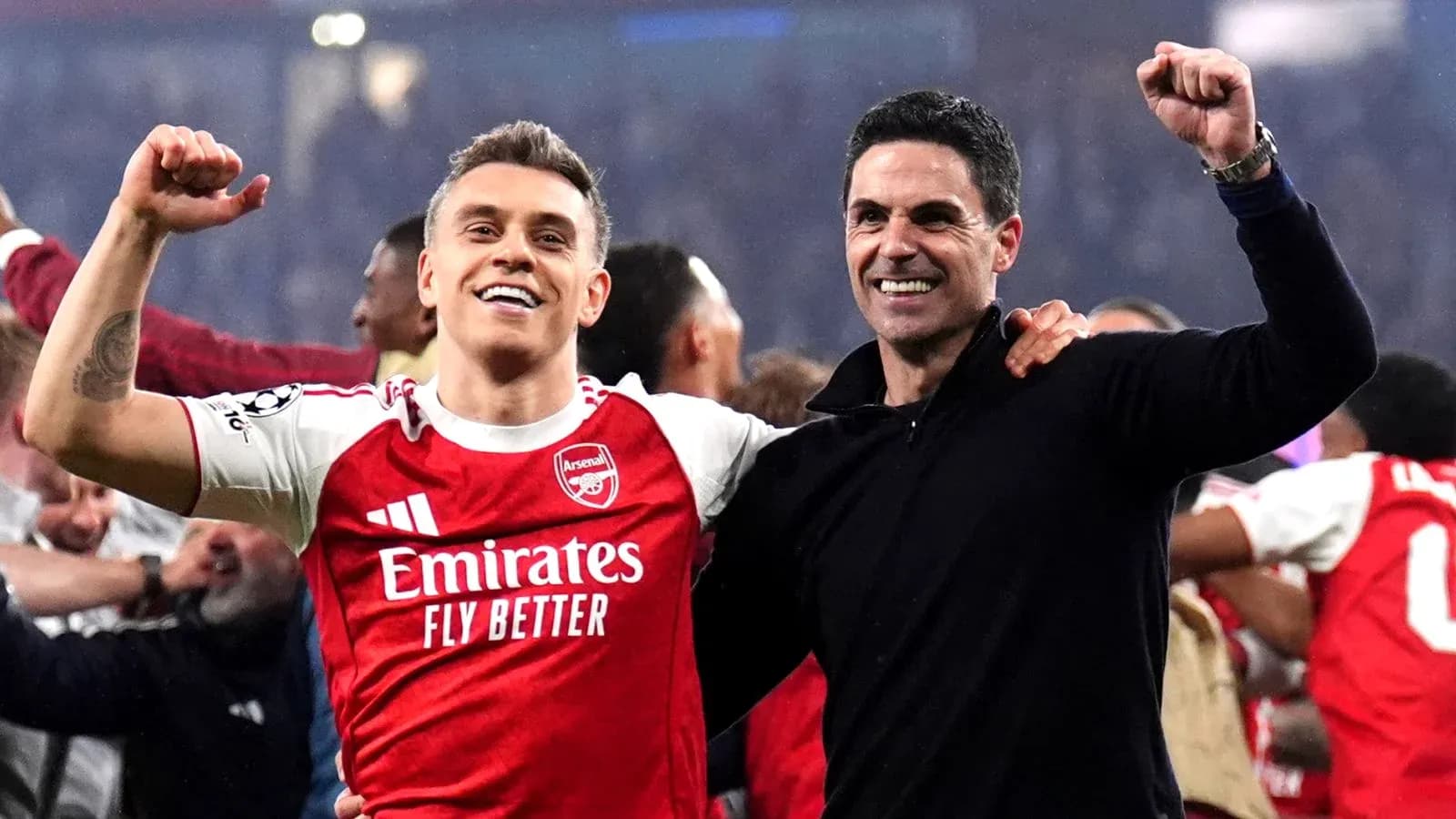
A 1-0 win over Atletico Madrid on Tuesday night sealed a 2-1 aggregate victory and a place in the Budapest showpiece on May 30, where Mikel Arteta’s side will face either Bayern Munich or Paris Saint-Germain. That semi-final triumph brought in another £16m in UEFA prize money, pushing this season’s Champions League haul to £122m. Win the final and they bank another £10m, along with the club’s first European crown.
Add that to last season’s £101m from reaching the semi-finals and Arsenal are staring at back-to-back European windfalls that would once have felt unthinkable in north London.
Yet this is not a licence to repeat last summer’s transfer binge.
From big spenders to strategic sellers
Twelve months ago, Arsenal tore through the market with the most aggressive net spend in the Premier League. They laid out £267m on eight new signings and recouped only £10m in sales. A net spend of £257m underpinned a title push and a deep European run, but it also set a financial line they know they cannot cross again.
This time, the plan is different. Arsenal still intend to strengthen – up front, in central midfield and at full-back – but they want to walk out of the window with a far more balanced set of books. Player trading is no longer a side note; it is central to how they intend to operate.
Part of that is choice. Part of it is rulebook.
From next season, the Premier League’s new Squad Cost Ratio regulations will cap spending on squad costs at 85 per cent of club revenue. Arsenal’s latest accounts, published in February, showed a pre-tax loss of just £1.4m for 2024/25, but those numbers do not yet reflect last summer’s heavy outlay. The club are not boxed into a “sell to buy” corner, yet they go into this window knowing meaningful sales are not optional if they want long-term stability.
Behind the scenes, the work has already been done. Scenarios mapped. Targets identified. A clear sense of which players could be moved on and what sort of market might exist for them.
Big names, bigger decisions
Inevitably, that leads to uncomfortable conversations around established names. Ben White, Leandro Trossard and Gabriel Martinelli have all been linked with possible exits. There has also been noise around academy products Myles Lewis-Skelly and Ethan Nwaneri – the kind of sales that represent pure profit on the balance sheet.
Lewis-Skelly, in particular, now sits at the heart of a delicate dilemma. Given a chance in midfield in recent games against Fulham and Atletico Madrid, he has shone. Those performances hint at a genuine future under Arteta, but they also inflate his value if Arsenal decide to cash in. Keep a potential long-term starter, or take the money at its peak? That is the sort of hard call a club at this level now has to make.
One decision appears far more straightforward. Porto have confirmed they have activated their option to sign Jakub Kiwior permanently for £19m. That move is expected to dovetail with Piero Hincapie’s £45m switch from Bayer Leverkusen being finalised, reshaping Arsenal’s defensive options and nudging the numbers in the right direction.
Elite targets, elite prices
The ambition on the incoming side has not softened. It has, if anything, hardened.
Arsenal want another top-level attacker, a central midfielder who can live in the intensity of their system, and greater depth at full-back. On the left wing, they are weighing Paris Saint-Germain’s Khvicha Kvaratskhelia and Newcastle’s Anthony Gordon. Both would arrive as starters, not squad players, and both would command serious fees.
Up front, Julian Alvarez has emerged as a name of real interest after his performances for Atletico Madrid, including a standout display in last week’s first leg against Arsenal in Madrid. The Argentina international is well known to sporting director Andrea Berta, who oversaw his £82m move to Atletico from Manchester City in 2024 in his previous role at the Spanish club.
That familiarity does not make any deal straightforward. Atletico have no desire to sell and would value Alvarez at around £130m even if he pushed to leave. Barcelona and Paris Saint-Germain are also watching closely. Any move for a player in that bracket instantly underlines why Arsenal need to be sharp sellers as well as bold buyers.
The club want to stay on their upward curve under Arteta, but they want to do it without losing their financial footing.
Chasing trophies – and the top of the money table
On the pitch, Arsenal are chasing the biggest prizes. Off it, they are on the verge of another landmark.
The club are on course to become the richest in England by revenue, driven by their Champions League run and their position at the top of the Premier League. Projections suggest they are poised to overtake Liverpool and Manchester City when the next set of accounts lands.
Last season, Arsenal posted a record £691m in revenue as they finished second in the league and reached the Champions League semi-finals. That still left them behind Liverpool on £703m and City on £694m, but the gap is closing fast.
Commercial revenue surged 41 per cent to £263m. Matchday income climbed 17 per cent to £154m. Broadcast revenue rose four per cent to £213m. All three streams are expected to hit new highs again this season.
Winning the Premier League would bring a further uplift. Arsenal collected £171.5m in prize money for finishing second last season; champions Liverpool took £174.9m. Flip those positions and the numbers follow.
Victory in Budapest would do more than deliver a first Champions League trophy. It would also secure a place at the expanded FIFA Club World Cup in the summer of 2029. Chelsea earned around £90m from winning the tournament last year. Arsenal would be in line for a similar injection.
So the picture is clear. Arsenal stand on the brink of becoming the richest club in England, with the chance to add the biggest titles in Europe and the world to their story.
The question now is whether they can sell as smartly as they play – and turn this financial power into a dynasty, not just a moment.