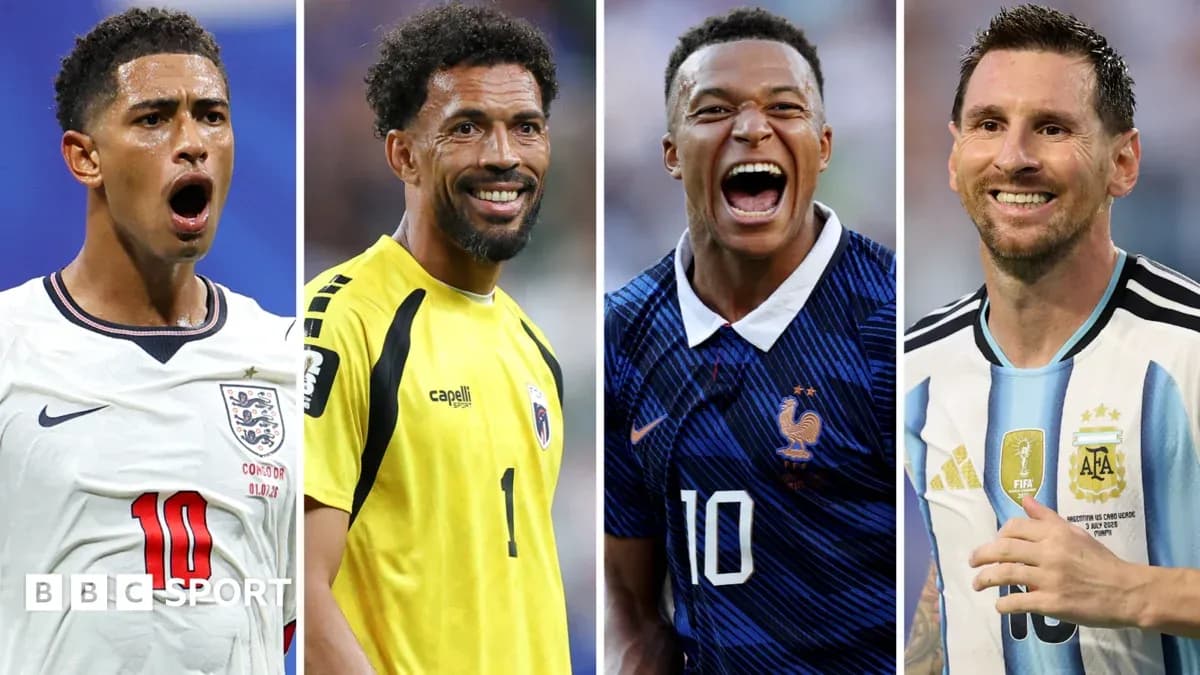
World Cup Moments: Messi, Goals, and New Heroes
Lionel Messi bent his run, killed the ball with one touch and, with the next, ripped it into the top corner. Argentina’s meeting with Cape Verde had been tight, anxious, on edge. Then came that familiar left-footed script – or this time, the right kind of genius off his weaker side – a difficult pass tamed at full speed and dispatched high beyond despairing hands. The deadlock was gone. The stadium exhaled.
But this World Cup refused to follow anyone’s script for long. Deep into extra time, with Argentina trying to see it out, Sidny Cabral stepped in from the edge of the box and sent a right-footed curler screaming into the same unreachable postage stamp. Emiliano Martinez flew, the crowd froze, and then the noise hit. The 103rd minute. Cape Verde, the smallest nation ever to reach the knockouts, were level at 2-2 and the world had a new cult hero. Argentina would still scrape through 3-2, but Cabral’s equaliser instantly joined the tournament’s permanent highlight reel.
This was a World Cup built on moments like that. Goals that felt like one-man rebellions.
Kerim Alajbegovic produced one of them in the group stage for Bosnia-Herzegovina against Qatar, slaloming through defenders before lashing a rising right-footed shot of real class into the top of the net. Erling Haaland, so often about brute force, looked almost casual as he swung his right boot against Brazil in the last 16 – yet the finish was anything but. Perfectly placed, thunderous, and decisive. Norway’s talisman ended a match-winning performance with a strike that summed up his ruthless economy.
In a cagey quarter-final, Argentina and Switzerland traded caution until Julian Alvarez tore up the script in extra time. The forward, still somehow underrated at elite level, stepped into space and unleashed a swerving right-footed drive from distance that flew into the top corner. One flash, one swing, tie broken.
Norway had already shown they could do artistry as well as power. Antonio Nusa’s opener against Ivory Coast was a piece of pure design: a little shimmy in the area to wrong-foot the defender, then a calm, curling finish that kissed the top corner. No fuss, no doubt. Just precision.
Walls That Refused to Fall
For every wonder goal, there was a goalkeeper refusing to play victim.
Johny Placide produced a double save for Haiti against Morocco that bordered on outrageous – first blocking with his legs, then springing up to claw a one-handed stop low to his left. At the Azteca, Jordan Pickford turned in one of his finest England performances in a statement win over Mexico, his early dive low to the left to deny Raul Jimenez’s header setting the tone on a feverish night.
Orjan Nyland’s standout moment for Norway came from his own defender’s mistake. Kristoffer Ajer diverted the ball towards his own goal against Brazil, Nyland scrambled back, twisted mid-air and somehow turned it onto the post. A save built on anticipation and pure reflex.
Tunisia’s Aymen Dahmen somehow kept out Takehiro Tomiyasu from point-blank range against Japan, the ball flirting with the line but never quite crossing it. Patrick Beach, for Australia against Turkey, hurled himself to the right to fingertip Abdulkerim Bardakci’s rising 30-yard drive onto the post. Iran’s Alireza Beiranvand, beaten initially by a Kevin de Bruyne shot, recovered to block Maxim de Cuyper from inside the six-yard box. It was the kind of save that makes defenders stare in disbelief.
Messi, Rodri and a Golden Generation
When FIFA handed out the World Cup Golden Ball, it went to Spain’s captain Rodri, the metronome and shield of the most complete side in the tournament. He played as if he’d simply moved his Manchester City office to international football – unflustered, unhurried, irreplaceable.
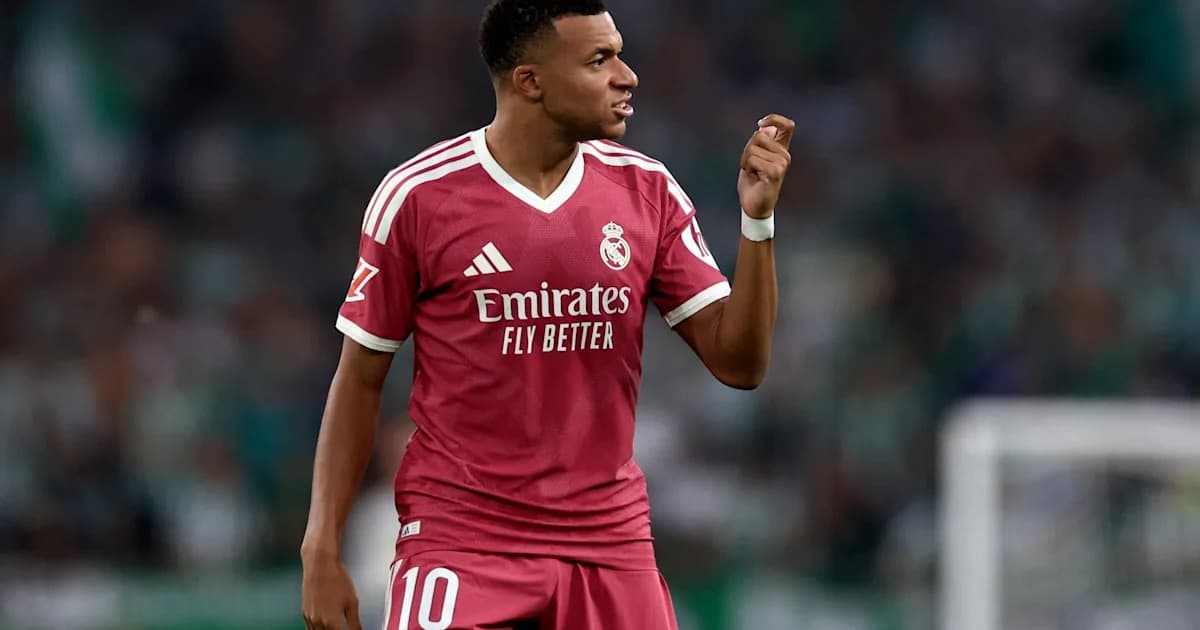
Behind him, officially at least, stood Lionel Messi. Silver Ball winner. Thirty-nine years old. Still the tournament’s gravitational force. Kylian Mbappe collected the Bronze Ball after a campaign of goals, leadership and relentless off-the-ball work that matched the confident, relaxed figure he cut in front of the microphones early on.
Yet ask the press pack and the debate raged.
For some, this was Jude Bellingham’s World Cup. England’s midfielder dragged his team through games by sheer force of personality and then raised his level again in the knockout rounds. For others, Messi remained the defining figure – the man who, as one observer put it, controlled the game and “pulled the strings” as Argentina chased down England in a wild semi-final.
The numbers favoured him. Eight goals, four assists in eight games. England smothered him for 45 minutes in that semi-final. It didn’t last. Two assists later, he had bent the tie to his will again. At 39, as one radio commentator put it, he was “almost defying the law of physics”, strengthening the argument that he is the greatest of all time.
Michael Olise left his own mark, even as Spain shut him down in the semi-final. Seven assists and a scissor-kick against Sweden that rattled the post and the entire press box in equal measure. At 24, he looks set for more World Cups.
The New Faces of Tomorrow
Pau Cubarsi did not just win the award for best young player. He owned it. Nineteen years old, a Barcelona centre-back playing every minute of Spain’s campaign, and a key part of a defence that conceded only once all tournament. His semi-final display against France was the sort of performance that makes a career feel inevitable.
He was not alone in announcing himself.
Morocco’s Ayyoub Bouaddi stepped onto the world stage against Brazil in New York New Jersey and played with a maturity that had scouts scribbling. His movement off the ball, constantly intelligent, drew comparisons with the likes of Patrick Vieira and Luka Modric.
Erling Haaland hardly counts as a surprise name, yet his impact in the United States turned him into a genuine household figure beyond the football bubble. This was the tournament that hardened his status as a global superstar.
Cape Verde’s 40-year-old goalkeeper Vozinha became an unlikely phenomenon. Seven stunning saves in a 0–0 draw against Spain in their debut World Cup match, eight more in that epic against Argentina. By the time he walked away, his Instagram following had exploded from around 50,000 to more than 29 million. A cult hero in gloves.
The USA’s Alex Freeman used the home stage to surge up the global pecking order at full-back, impressing so much that his own coach Mauricio Pochettino publicly suggested he could become one of the best in the world in his position.
Switzerland’s Johan Manzambi, only 20, played with a grin and no fear. Three goals in four games, a natural entertainer who will now join Aston Villa for around £50m. Injury cut his tournament short, but not before he underlined why Premier League clubs were willing to pay.
Mexico’s 17-year-old Gilberto Mora ended the tournament as a starter in midfield, gliding through games with the poise of a veteran. Those who watched him closely left convinced he is heading for the top.
Nights That Will Never Fade
Some venues and moments will echo long after the trophy has been lifted.
The Azteca for Mexico v England was one of them. A searing, deafening wall of colour and noise, the Mexican anthem belted out with such force it felt physical. For those who have covered World Cups for decades, it ranked as perhaps the best atmosphere they had ever experienced.
In Boston, Paraguay’s fans turned a penalty shootout against Germany into a life event. As their team stunned the European giants, supporters left the stadium in tears, draped in flags, calling it the best day of their lives. It was a reminder of what this tournament still means far beyond tactics and television graphics.
Messi’s hat-trick in his opening game sent a message: he was not here for a farewell tour. He was here to try to win it again. Cabral’s 103rd-minute equaliser against Argentina, that thunderbolt from the edge of the area, sent another. No giant would go untested.
Cape Verde’s fearless run, pushing the holders to the brink, embodied what the expanded format had promised: new names, new stories, no guarantees.
Across the United States, fans turned the World Cup into a travelling carnival. Tailgate barbecues in Philadelphia. Selfies with reporters outside stadiums. The same question everywhere: “Is it coming home?”
The Letdowns
Not every giant rose to the occasion.
Brazil, under Carlo Ancelotti, trudged through the tournament. Slow. Uninspired. Un-Brazilian. When Norway knocked them out in the last 16, it felt less like a shock and more like an overdue verdict on a side that never caught fire.
Senegal arrived with arguably the most talented squad in their history, yet off-field issues and poor game management undermined them. Two goals up against Belgium in the last 32, they looked ready to ignite their campaign, only to unravel through tactical errors and wasted opportunity.
Scotland’s failure to squeeze through as one of the best third-placed sides stung. The limbo of waiting days for confirmation of elimination only deepened the frustration.
Cristiano Ronaldo and Portugal bowed out with a whimper, beaten 1–0 by Spain in the last 16. Ronaldo scored three in five, respectable on paper, yet the team never reached the level expected of pre-tournament contenders.
The USA started brightly, fuelled by home optimism, then saw momentum derailed by controversy around Folarin Balogun and a limp exit to Belgium. For a host nation dreaming of a deep run, it felt like a squandered moment.
Even the final venue drew ire. The MetLife Stadium in New Jersey – vast, expensive, awkward to reach – left many unconvinced it should have hosted the showpiece. Some pointed towards Philadelphia’s more accessible, fan-friendly arena as the better option.
France, loaded with attacking talent, produced a strangely flat semi-final against Spain. Tipped by many to go all the way, they instead watched Rodri and company control the occasion. Brazil, too, will wonder how a campaign under Ancelotti ended so early, so quietly.
The People Who Carried It
Amid all this, the fans stitched the tournament together.
Mexico’s support was relentless, from the Azteca to the streets of Los Angeles, where fireworks greeted their wins and green shirts seemed to cover the city. In Mexico City, diners burst into applause when they heard visiting journalists were from England, a spontaneous gesture that captured the warmth of the hosts.
Curacao’s followers, drawn from a nation of just 150,000, made a noise in Philadelphia that felt impossible for such a small country. Brazil’s travelling army turned American cities into slices of Rio or Sao Paulo, taking over streets as much as stadiums.
Colombia’s fans transformed Arrowhead Stadium in Kansas City into a rolling party against Ghana. Norway’s supporters introduced their Viking row to the world, whole blocks of red shirts “rowing” in unison. It became a viral signature, especially when players joined in on the pitch after full-time.
In Miami, Norwegian fans serenaded England with “You’re going home” as they led 1-0 in the quarter-final. Moments later, Jude Bellingham equalised. The song stopped. The drama didn’t.
Argentina’s support travelled in numbers that barely seemed believable – more than 60,000 in stadiums in Miami and Kansas City, singing without pause, smothering every arena in blue and white.
And at the heart of it all, in a World Cup that mixed the old gods with new idols, stood a 39-year-old still bending games to his will. Lionel Messi, again. The question now is not whether he has done enough to be remembered as the greatest, but how long he can keep redefining what “the end” of a career is supposed to look like.