World Cup 2026 Knockout Drama: Extra Time and Penalty Shootout Rules Explained
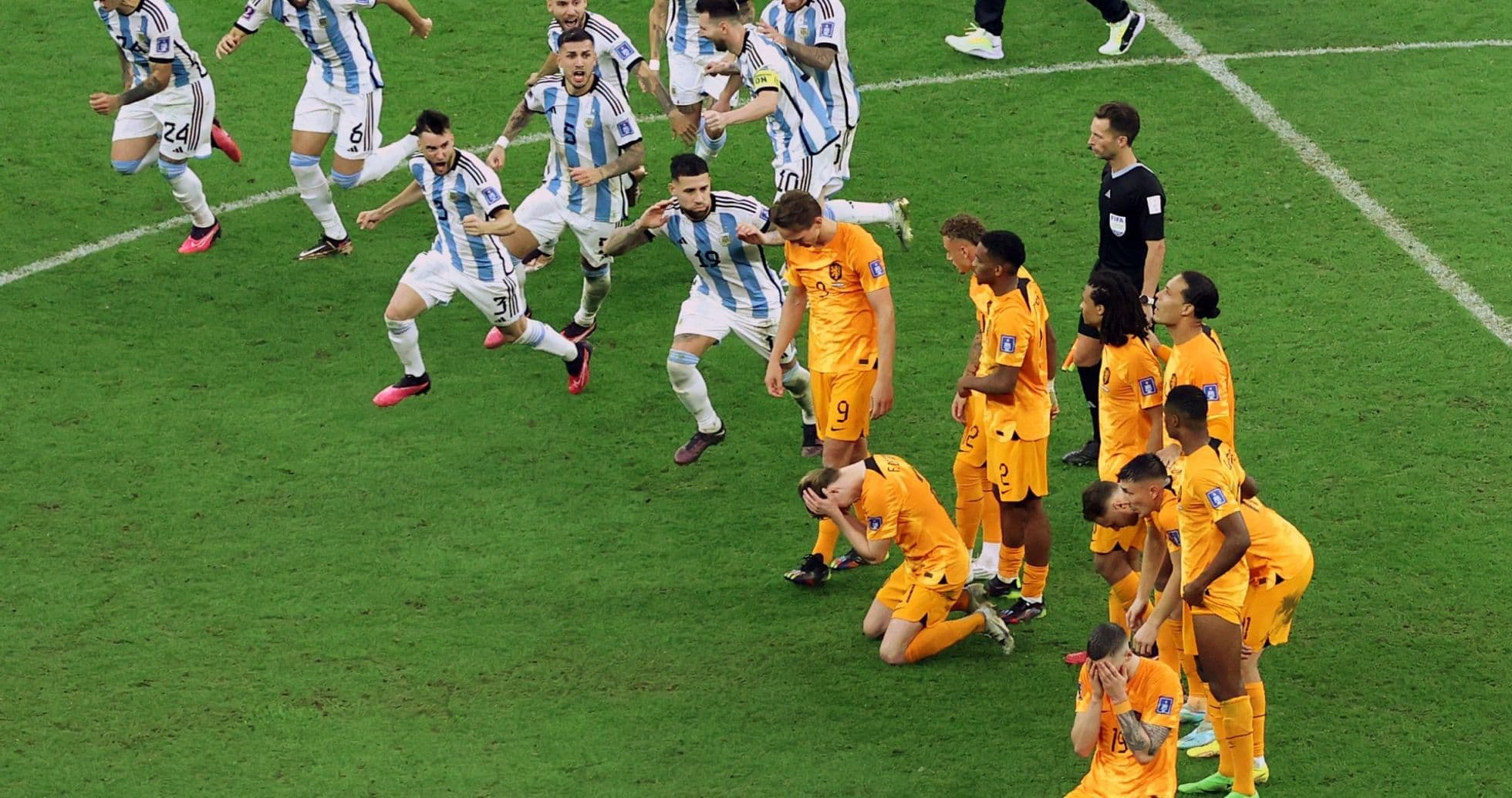
The 2026 World Cup knockout stage has kicked off with intense moments, as extra time and penalties have already decided some unexpected outcomes. In a night full of drama, Germany and the Netherlands, two European giants, were eliminated following tense penalty shootouts.
Paraguay stunned the four-time champions Germany by scoring the winning penalty after a 1-1 draw through extra time. Hours later, Morocco overturned a deficit to defeat the Dutch 3-2 on penalties, marking a surprising end for the Netherlands.
How Extra Time Works at the World Cup
If teams are tied after the standard 90 minutes, the match extends into extra time: two halves of 15 minutes each, totaling 30 additional minutes. Teams get one more substitution during this period, but no special hydration breaks are provided beyond those in regular time.
Scoring does not immediately end the game since the golden goal rule is not in use. This sudden-death format last appeared in the 1998 and 2002 tournaments. Back then, players like France's Laurent Blanc famously netted decisive goals during extra time.
Penalty Shootout Procedures
If the deadlock remains after 120 minutes, a penalty shootout decides the winner. This method has been part of the World Cup since 1978. Two coin tosses determine which team shoots first and the side of the stadium where penalties occur.
Each team takes five alternating spot-kicks. Only players on the pitch at the end of extra time may participate, and every player, including goalkeepers, must take a penalty before anyone can take a second attempt. If the score remains tied after five kicks each, the shootout proceeds to sudden death.
Rebounds are not allowed; if a goalkeeper saves a penalty, the kicker cannot try again. Goalkeepers must remain on the goal line until the ball is struck. This rule affected Croatia when Dominik Livakovic moved too early, giving Harry Kane a retake opportunity during a previous tournament.
England continues to struggle with penalty shootouts, having only won once internationally, against Colombia in 2018.
Reactions After the Dutch Exit
Zlatan Ibrahimovic said, "This is on Ronald Koeman because I didn’t recognise this Dutch team, and he lost with an identity that is not the Dutch identity, and that makes me angry."
Thierry Henry echoed Ibrahimovic’s criticism on Fox Sports, suggesting Koeman played not to lose rather than to win.
Koeman defended his approach: "If I had to do it again, I would do it the same way. When you are the Dutch head coach, after the equalizer, I am going to be criticized for having five defenders. But I believe it was necessary. The team agreed."
High Emotions and Media Reactions
Penalty shootouts always bring intense emotions. After Germany's defeat in Boston, German newspaper Bild called the performance "disastrous," criticizing their slow and uninspired play in their first knockout match since winning the World Cup in 2014. The coverage described it as "another nightmare" for German football.
International reactions poured in. Italy congratulated Paraguay, while France labeled Germany’s loss as the biggest shock so far in this tournament.