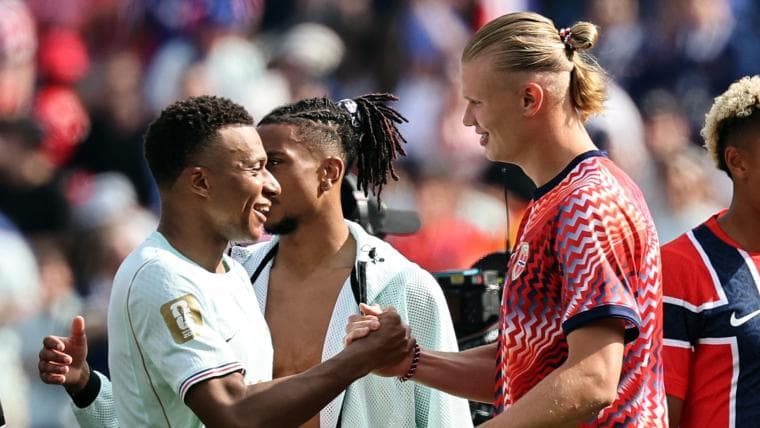
World Cup 2026 Best XI: SN's All-Star Team Featuring Haaland, Messi and Mbappe
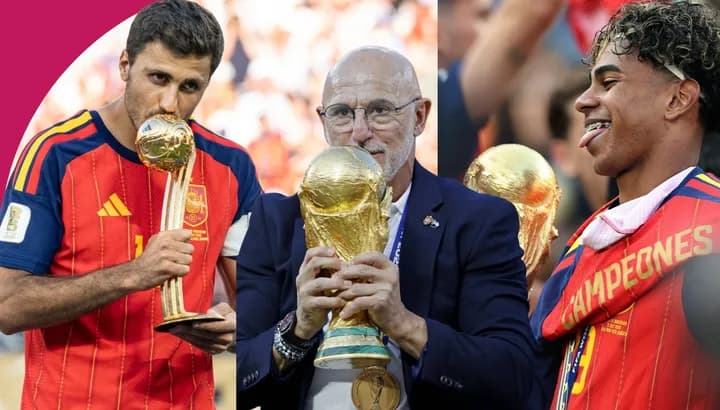
Though Spain claimed victory at the 2026 FIFA World Cup, this summer’s event was defined by a dazzling array of star players who captivated fans worldwide. The tournament buzzed with energy, sparking conversations about soccer across North America and beyond.
The brightest lights weren’t always the household names; some lesser-known talents stood out on soccer’s grandest stage. The Sporting News selected one standout player per position, crafting an all-star lineup that captures the finest performances from this year’s competition.
SN’s World Cup 2026 All-Star Lineup (4-2-3-1 formation, right to left):
GK: Emi Martinez (Argentina)RB: Pedro Porro (Spain)CB: Pau Cubarsi (Spain), Cristian Romero (Argentina)LB: Marc Cucurella (Spain)CM: Rodri (Spain), Jude Bellingham (England)RW: Lionel Messi (Argentina)AM: Michael Olise (France)LW: Kylian Mbappe (France)ST: Erling Haaland (Norway)
Goalkeeper: Emi Martinez (Argentina)
Despite FIFA awarding the Golden Glove to Unai Simon, Emi Martinez emerged as the tournament’s finest goalkeeper. He made a record 11 saves in the final alone, surpassing Simon’s total saves over the entire knockout stage. His overall tally of 20 saves ranked joint-second, achieved despite battling a broken finger. Martinez’s commanding presence proved vital for Argentina’s run.
Right-back: Pedro Porro (Spain)
Pedro Porro was arguably the tournament’s top full-back. Ranked fifth highest by FotMob, he influenced Spain’s right flank with fluid possession and tough defensive work, winning over five duels per match and dominating aerial challenges 64% of the time. Remarkably, he remained disciplined without any bookings while anchoring Spain’s formidable defense.
Center-backs: Pau Cubarsi (Spain) and Cristian Romero (Argentina)
Pau Cubarsi, named FIFA’s Young Player of the Tournament, impressed as a 19-year-old powerhouse. Renowned for his ball-playing skills, he completed the second most passes in World Cup history behind Rodri, and won nearly 60% of ground duels. On the opposite side, Cristian Romero showcased stout defending for Argentina, winning 63% of ground duels and 72% in the air, while scoring crucial goals that sparked key comebacks.
Left-back: Marc Cucurella (Spain)
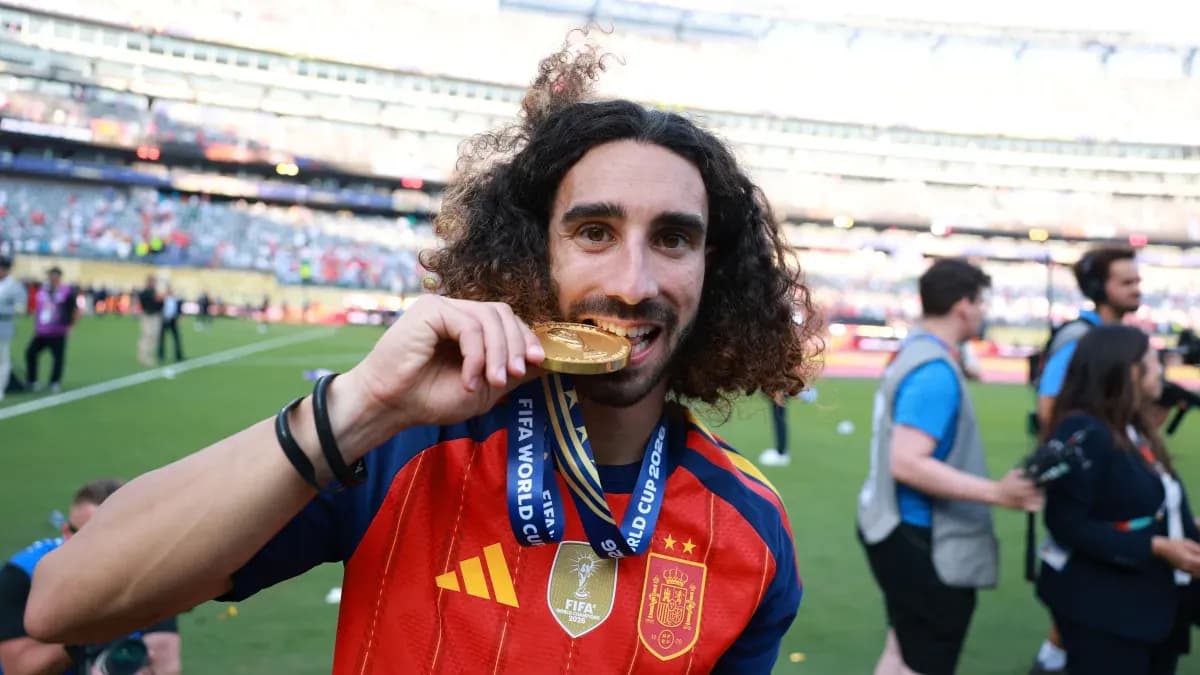
Deploying a blend of defensive reliability and attacking threat, Marc Cucurella excelled going forward. He assisted two goals, tied for most among defenders, and created three big chances, ranking just behind tournament leader Nuno Mendes. His contributions were essential within Spain’s structured system, making him a strong fit for Real Madrid’s future.
Central Midfielders: Rodri (Spain) and Jude Bellingham (England)
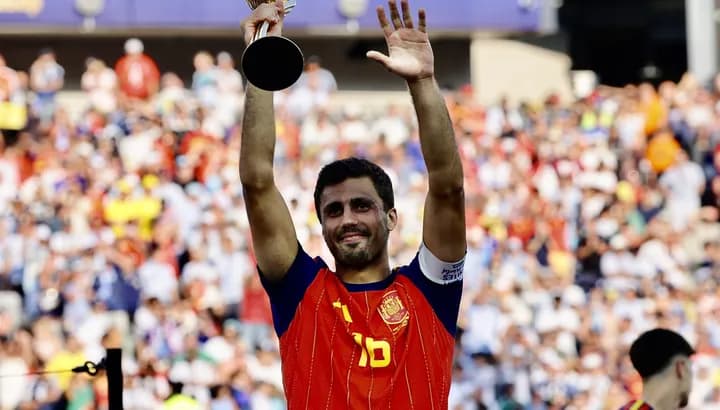
Rodri claimed FIFA’s Golden Ball thanks to his unparalleled passing and control. He set a World Cup record for most passes in a single tournament, dictating the tempo and flow of Spain’s play. Jude Bellingham complemented him brilliantly, leading central midfield in dribbles and duels won, while scoring seven goals for England. Together they shaped the midfield battle throughout the competition.
Right Wing: Lionel Messi (Argentina)
At 39, Lionel Messi remained a force. He scored eight goals, second highest overall, led the tournament in dribbles completed, and created 26 chances—eight more than any other player. His expected assists (4.15 xA) were unmatched. Messi dazzled fans with pinpoint crosses and shots, reaffirming his status as the greatest player even though Argentina fell short in the final.
Attacking Midfield: Michael Olise (France)
Michael Olise shone as the creative core of France’s lethal attack. Surrounded by stars like Mbappe and Dembele, Olise set a new World Cup record with seven assists. His precise passing and vision helped France generate chances consistently, marking him as a rising star and serious Ballon d’Or contender.
Left Wing: Kylian Mbappe (France)
Kylian Mbappe earned the Golden Boot with 10 goals, becoming the first player to claim multiple World Cup top scorer awards. His ability to carry France through difficult moments and his teamwork made him arguably the tournament’s best player, despite his team falling short of the title.
Striker: Erling Haaland (Norway)
Erling Haaland combined flair off the pitch with ruthless finishing on it. He often went quiet for long stretches before delivering decisive moments. Scoring seven goals in just five matches, he ranked joint-third in goals despite Norway’s earlier exit compared to others on the list. Haaland was undeniably the tournament’s top striker, leading Norway further than ever before.