How Luis de la Fuente and Rising Stars Powered Spain's Second World Cup Win
Spain secured their second FIFA World Cup title by defeating Argentina 1-0 in extra time at the New York New Jersey Stadium. The victory was the result of a campaign marked by control, defensive solidity, and tactical clarity throughout eight matches.
Ferran Torres scored the winning goal in the 106th minute, but Spain's success was built on consistent style and denying opponents space and chances. This triumph came 16 years after their first men's World Cup win in South Africa, showing an evolution from relentless possession to a blend of technical skill and directness.
Steady Momentum Through the Tournament
Entering as one of the favorites in the expanded 48-team competition, Spain improved round by round rather than rushing through. They topped Group H unbeaten, with a goalless draw against Cabo Verde, a 4-0 thrashing of Saudi Arabia, and a 1-0 win over Uruguay.
- Round of 32: 3-0 win vs Austria
- Round of 16: 1-0 victory over Portugal in a tight Iberian clash
- Quarter-finals: 2-1 win against Belgium
- Semi-finals: 2-0 over France
- Final: 1-0 extra-time win vs Argentina
Spain knocked out four established football powers consecutively without compromising their core principles.
Defensive Prowess as the Backbone
While Spain’s attack grabbed headlines, it was their defense that truly stood out. Over eight games, they conceded only once and kept seven clean sheets.
Instead of retreating deep, Spain used possession as their first defensive line. Their midfield limited opponents’ transitions, forcing low-quality chances. When possession was lost, coordinated pressing swiftly regained control.
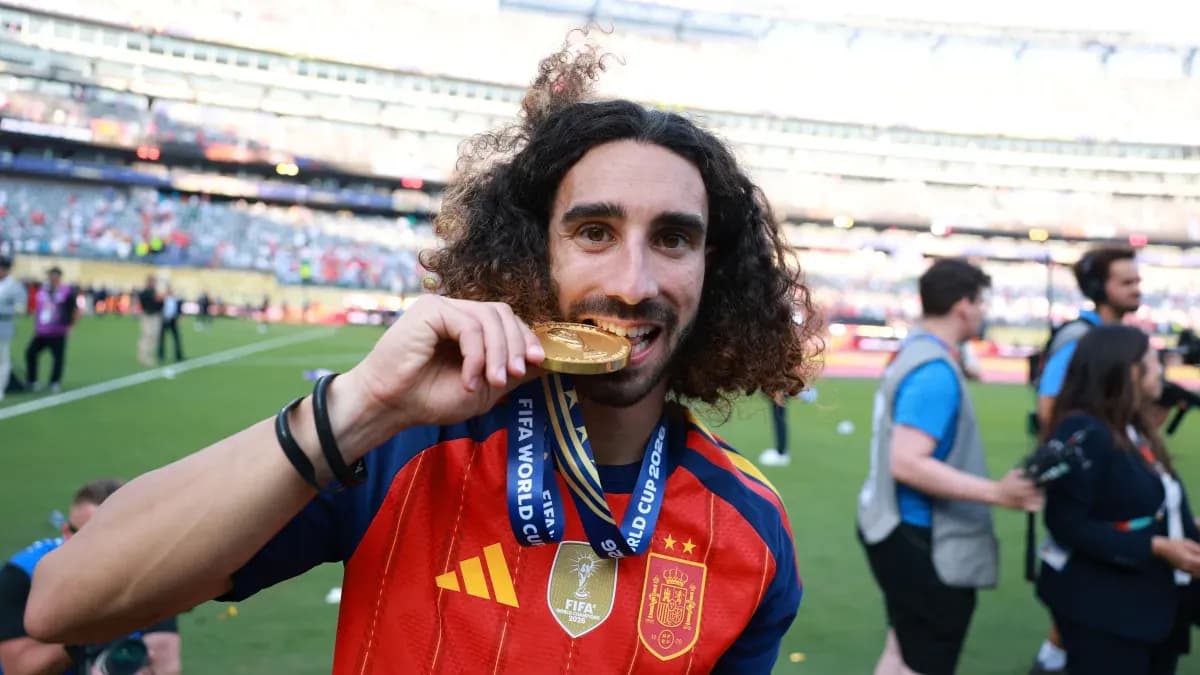
Rodri's positioning shielded the backline, which stayed compact, leaving little room between lines. Goalkeeper Unai Simon's confident handling and key saves added to the defensive strength. Pau Cubarsi emerged as a calm, composed young defender who performed beyond his years.
Possession with Clear Intent
Spain kept control of matches with the ball but avoided endless passing. The team used possession to dictate tempo and manipulate defenses, creating openings for attacks.
In the final, Spain held about 65% possession, completed more passes, and had more shots on target, restricting Argentina’s attacking flow. Possession doubled as a defensive tool, cutting down counterattack chances through sustained passing sequences.
Luis de la Fuente’s Modernized Spain
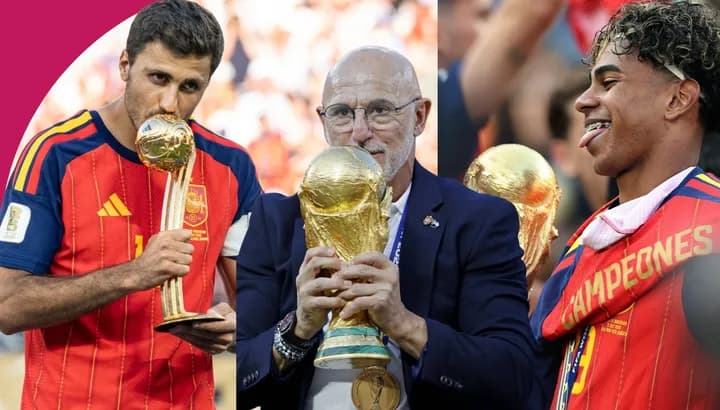
The head coach moved away from replicating past styles, instead blending technical skill with greater flexibility and faster transitions. He trusted younger players, building a squad able to maintain high intensity across the tournament, continuing successes from the European Championship and Nations League.
The Rise of a New Generation
Years of youth development bore fruit as Lamine Yamal shone with pace and creativity, unsettling defenders and creating space for teammates. Midfielders Pedri and Gavi added intelligence and technical flair, while Alex Baena brought speed and directness from wide positions. Pau Cubarsi became a breakthrough performer, demonstrating Spain’s focus on tactical awareness and positional understanding.
Rodri’s Quiet Command
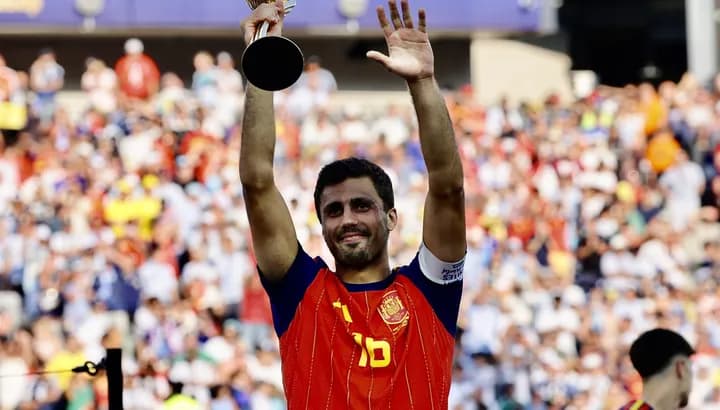
Rodri may not have grabbed the spotlight with flashy plays, but his influence was crucial. He protected the defense, recovered possession, set tempo, and linked phases of play seamlessly. His positional sense allowed others to attack freely while maintaining balance. He earned the tournament’s Golden Ball as its best player.
Tactical Adaptability Wins Knockout Battles
Each knockout match posed unique challenges. Spain showed patience against Portugal, managed transitions carefully against Belgium, and maintained defensive discipline against France. The final required controlling possession and limiting Argentina’s chances until Ferran Torres scored in extra time. This was not the highest scoring Spanish performance but arguably the most complete.
Statistics Behind Spain’s Dominance
- Record: 7 wins, 1 draw, unbeaten
- Goals scored: 14
- Goals conceded: 1
- Clean sheets: 7
- Highest expected goals (xG) in tournament
- Strongest defensive expected goals against (xGA)
Spain created many quality chances while limiting opponents' opportunities effectively.
A New Chapter in Spain’s Football Legacy
The 2026 team will be compared with the 2010 champions. Both valued technical skill and teamwork, but the newer squad added tactical flexibility, defensive strength, and varied attacking options. This balance helped Spain dominate all eight matches, not just win the World Cup but control it.