World Cup 2026: Will Gianni Infantino Push for a 64-Team Tournament?
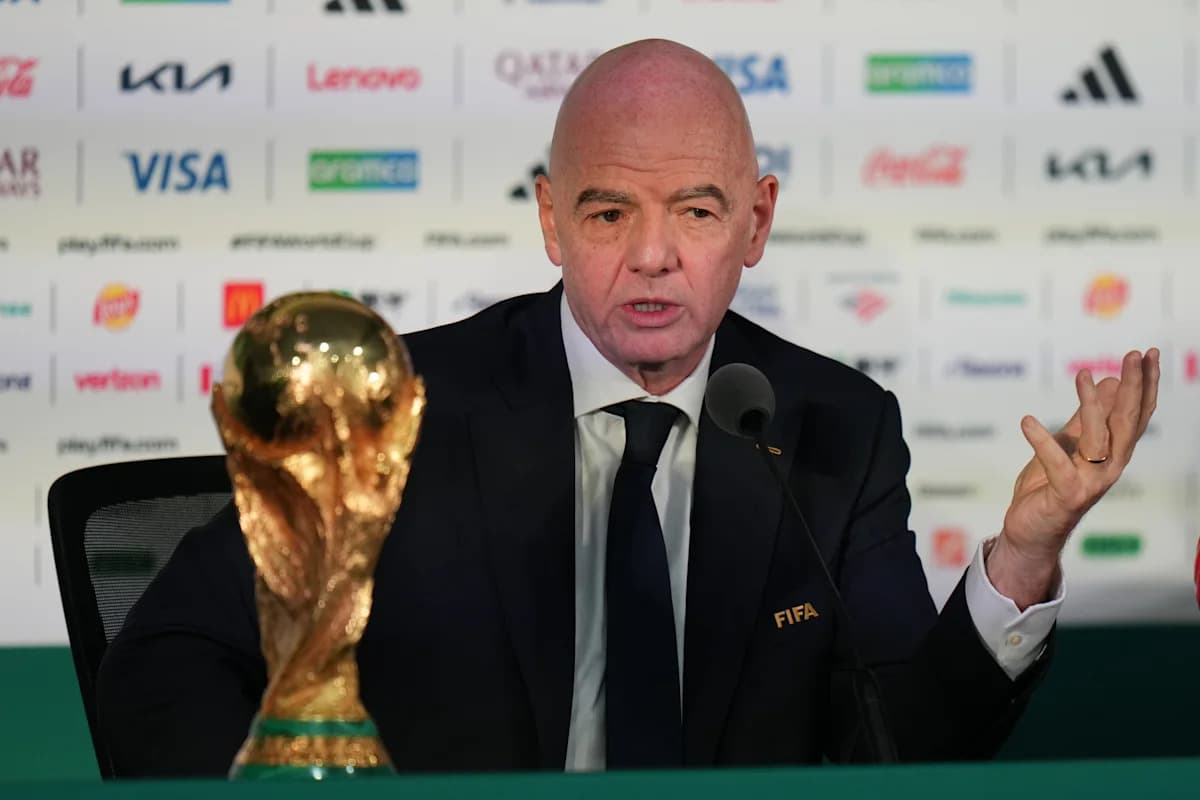
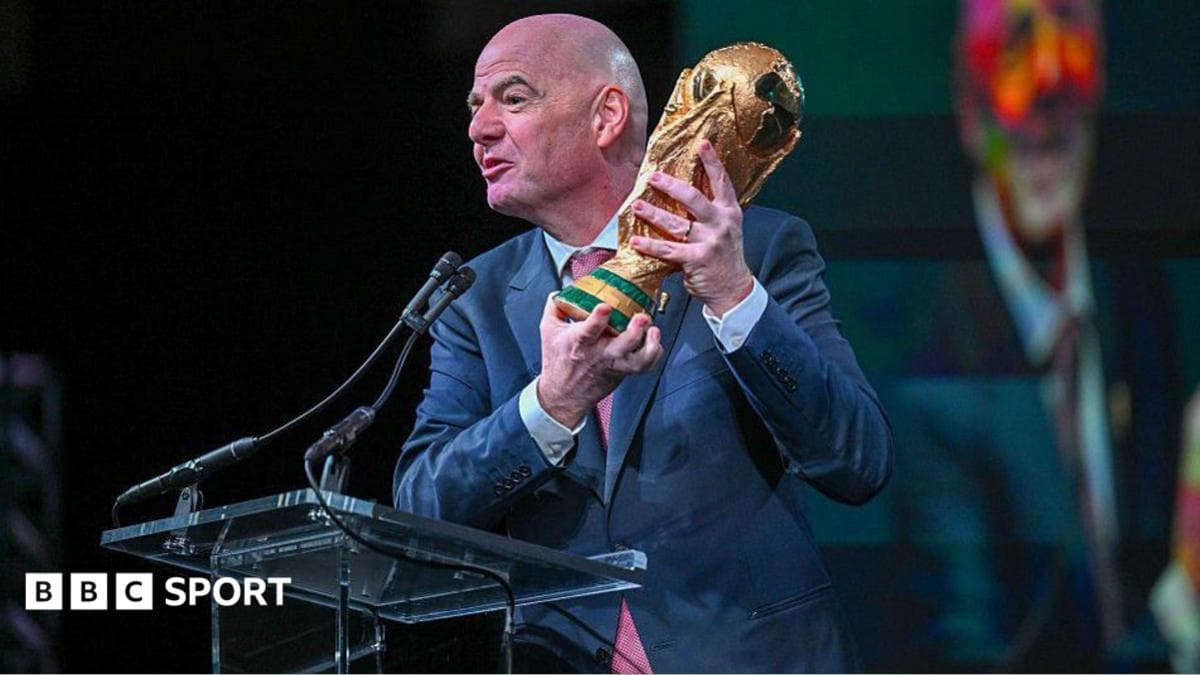
After a decade leading FIFA, Gianni Infantino has shown he believes in expansion. More matches, more tournaments, bigger events—these have shaped his presidency. The 2026 World Cup might be just the start. Now, the idea of a 64-team tournament is gaining attention.
Infantino argues smaller nations need chances to compete; without that, their motivation to improve drops. But those countries already qualify if they're good enough. Teams like Cape Verde and Curacao proved that. On paper, a 64-team format feels cleaner: 16 groups with two teams advancing each, cutting out complicated third-place qualifications.
Who Supports the Expansion?
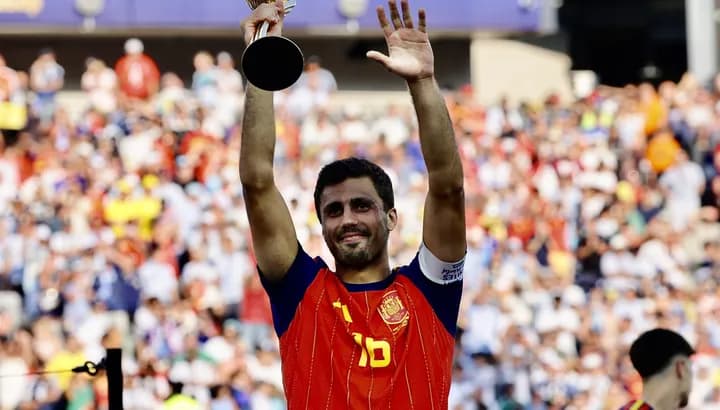
The push for 64 teams ties closely to the upcoming 2030 World Cup, celebrating 100 years since the first event in Uruguay. The tournament will be hosted across Morocco, Portugal, Spain, and the opening matches back in South America.
CONMEBOL, the South American football confederation, has been vocal. Its president, Alejandro Dominguez, wants a one-off 64-team event in 2030, emphasizing inclusion so "nobody on the planet is left out." He repeated calls for expansion right after the 2026 World Cup ended, claiming it would grow international football.
On the other hand, UEFA president Aleksander Ceferin dismissed the plan as harmful to both the tournament and qualifying. CONCACAF leader Victor Montagliani warned it could disrupt football’s broader ecosystem, while AFC president Sheikh Salman bin Ibrahim Al Khalifa predicted chaos from further expansion.
Would More Teams Weaken the World Cup?
A 64-team setup offers a straightforward structure and more chances for emerging nations. Infantino highlights stories like Cape Verde, who drew with Spain and Uruguay, then nearly upset Argentina in the round of 16. Yet, many newcomers struggled: Haiti, Iraq, Jordan, Panama, Tunisia, and Uzbekistan all failed to earn points this year. The group stages often lacked tension for top seeds.
Adding more teams risks reducing competitive balance. Top contenders rarely falter early, so the drama could dwindle. Where would the extra slots go? Based on current rankings, additional qualifiers might include Indonesia, Oman, UAE, Denmark, Italy, Poland, Honduras, Jamaica, Suriname, Bolivia, Venezuela, New Caledonia, Burkina Faso, Cameroon, Gabon, and Nigeria.
Some of these teams rank well globally, but others come from weaker regions like Asia and CONCACAF, which performed poorly this year. Africa showed strength, with nine of ten teams advancing. Europe might deserve more spots for balance, though proponents argue expansion helps global growth.
With nearly a third of FIFA’s 211 nations participating, group stages risk becoming extended qualifiers rather than competitive contests.
Logistical Challenges of a Bigger Tournament
Increasing from 48 to 64 teams means adding four groups of four teams each, resulting in 24 more matches. The 2026 event ran 39 days; extending it by five days seems necessary. This summer was unique, hosting games across multiple time zones and indoor stadiums, allowing a long matchday window. That setup may be hard to repeat.
Climate change adds complexity—playing daytime matches becomes tougher with heatwaves. Covered stadiums like those in Atlanta and Dallas helped this year, but other nations may lack such facilities.
Multiple host countries seem inevitable. After 2002’s Japan-South Korea event, a single nation hosting is rare. Could we see joint bids from the UK and Scandinavia or Eastern Europe? Asian and African hosts might face funding hurdles.
More teams mean more cities with large stadiums, elite training facilities for all participants, accommodations for fans, and reliable transportation. Expansion isn’t just about giving more countries a shot; it demands massive infrastructure.
Is Money Driving the Expansion?
Infantino promised to bring more funds into football. Today, associations receive millions for development, with extra support for smaller nations. Confederations also get substantial funds to grow the sport.
This financial boost mainly comes from the World Cup. A 48-team event projected $6.5 billion revenue in 2017; by 2022, adding 24 games pushed expectations to $9 billion. A 64-team tournament would likely generate even more through TV rights, sponsorships, and ticket sales.
FIFA claims it must grow football worldwide, using expansion as its tool. Critics argue there’s a limit where growth no longer benefits the sport.