Wolves vs Tottenham: A Season of Struggle on Display
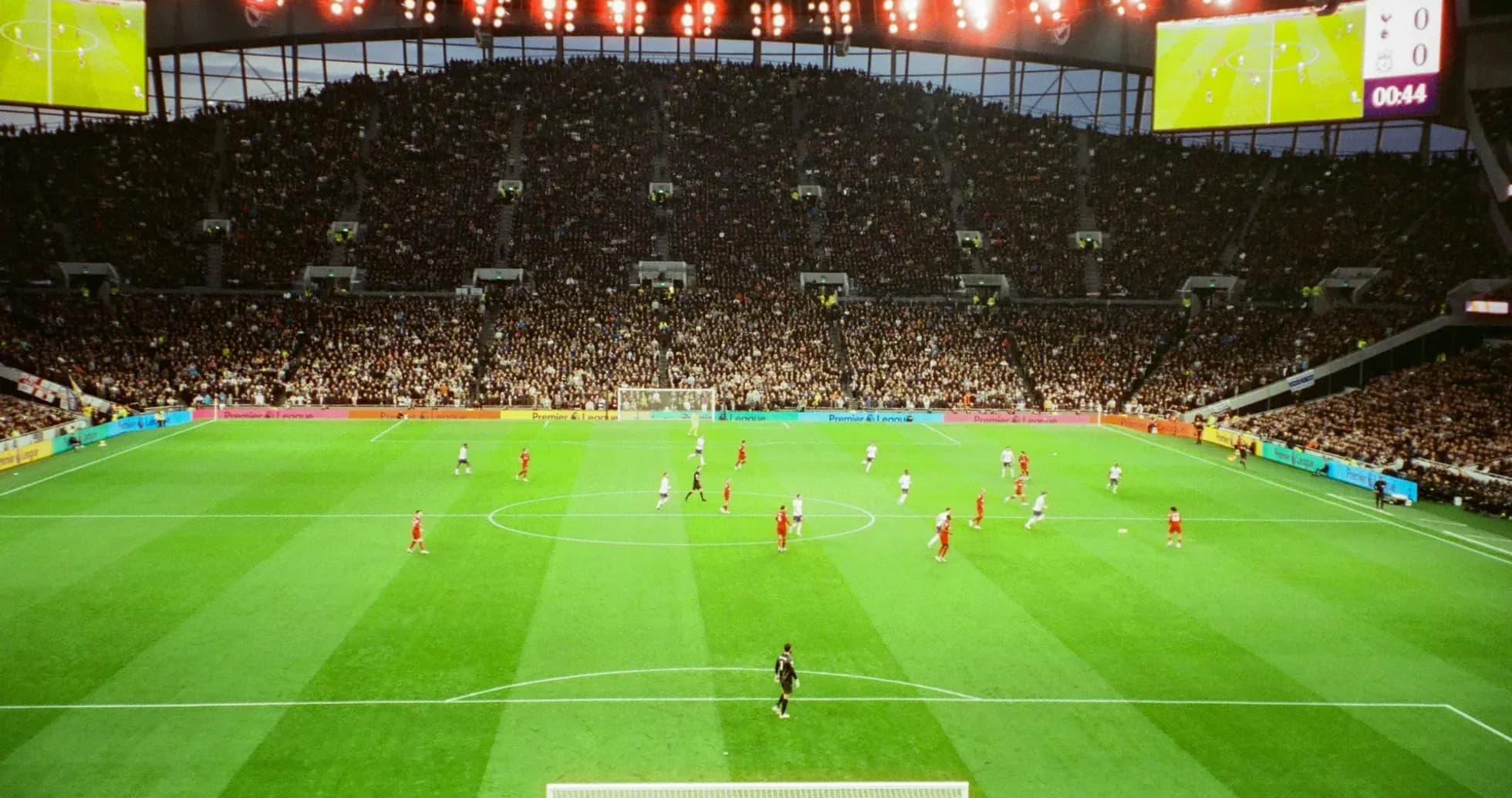
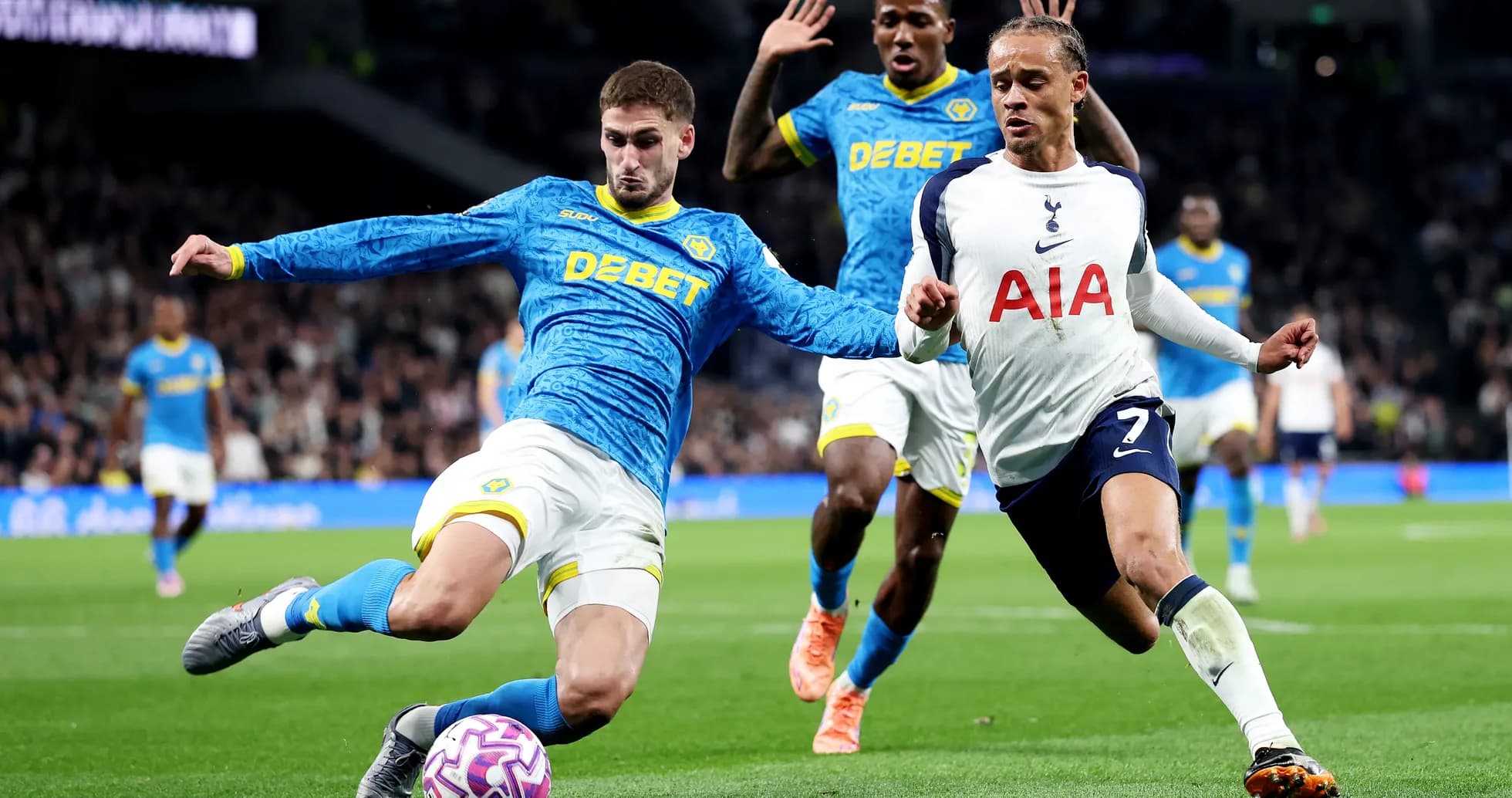
Under grey Midlands skies at Molineux, a season of struggle crystallised into a single, brutal detail on the scoreboard: Wolves 0–1 Tottenham. Following this result in Round 34 of the Premier League season, the table tells a stark story. Wolves sit 20th with 17 points, their goal difference a punishing -38 (24 scored, 62 conceded overall). Tottenham, hardly thriving themselves, are 18th on 34 points with a goal difference of -10 (43 for, 53 against overall). This was not a clash of heavyweights, but a survival skirmish – and Tottenham, on their travels, once again found a way.
I. The Big Picture – Systems Under Strain
Rob Edwards doubled down on Wolves’ season-long identity, rolling out a 3-4-2-1 that has been one of his two most-used shapes (the team have lined up in 3-4-2-1 and 3-5-2 nine times each overall). At home, Wolves average 1.0 goals for and 1.9 goals against per game; the structure is familiar, but the execution has rarely been ruthless.
The back three of Toti, S. Bueno and M. Doherty was screened by a busy midfield band: Pedro Lima wide right, H. Bueno wide left, with Joao Gomes and Andre in the engine room. Ahead of them, R. Gomes and M. Mane supported central striker A. Armstrong. It is a system built for vertical transitions and wing overloads, but it demands precision in both pressing and final-third decision-making – qualities Wolves have only intermittently shown in a campaign with just 3 home wins from 17.
On the opposite bench, Roberto De Zerbi’s Tottenham arrived with a clearer tactical identity and better away numbers. On their travels they have won 6 of 17, scoring 23 and conceding 23, an away average of 1.4 goals for and 1.4 against. The 4-2-3-1 – their most common formation this season with 15 uses overall – was again the template: A. Kinsky in goal; a back four of D. Spence, M. van de Ven, K. Danso and P. Porro; a double pivot of Y. Bissouma and R. Bentancur; and a fluid three of X. Simons, C. Gallagher and R. Kolo Muani behind lone forward D. Solanke.
II. Tactical Voids – Absences and Edge
Both squads were badly scarred by absences, but they coped differently.
Wolves were without L. Chiwome, E. Gonzalez, S. Johnstone and L. Krejci through injury, plus Y. Mosquera suspended for yellow cards. The absence of Mosquera in particular stripped Edwards of his most aggressive defender. Over the season, Mosquera has made 52 tackles and blocked 13 shots; his 11 yellow cards underline how often he steps into duels that others might avoid. Without him, Wolves’ back three lacked a natural front-foot destroyer, placing extra responsibility on Toti and S. Bueno to defend space behind the wing-backs.
Tottenham’s list was even longer: B. Davies, M. Kudus, D. Kulusevski, W. Odobert, C. Romero, P. M. Sarr, D. Udogie and G. Vicario all missed out. On paper, that should have shredded their spine. Romero’s absence removed a defender who has 58 tackles, 14 blocked shots and 31 interceptions this season, while also ranking among the league’s top card collectors. Yet De Zerbi compensated by leaning into M. van de Ven’s authority – a defender who has blocked 21 shots and offers calm distribution with 89% passing accuracy overall.
Disciplinary profiles framed the risk landscape. Wolves as a team show a pronounced yellow-card surge between 46–60 minutes, where 28.00% of their bookings arrive, with further spikes at 61–75 and 76–90 (20.00% each). Tottenham’s yellows peak between 61–75 minutes at 25.29%. This game was always likely to tighten and fray after the interval, and the managers’ in-game choices had to account for that volatility.
III. Key Matchups – Hunter vs Shield, Engine Room vs Enforcer
Hunter vs Shield
With no Wolves player listed among the league’s top scorers, the “Hunter” role in this contest belonged more naturally to Tottenham’s bench: Richarlison, their leading league scorer with 9 goals and 4 assists overall. Even starting from the sidelines, his presence shaped the narrative. Richarlison’s 38 total shots, 22 on target, make him Tottenham’s most reliable finisher; his introduction would inevitably drag Wolves’ back line deeper and narrow their margin for error.
The “Shield” for Wolves was collective rather than individual. At home they concede 1.9 goals per game, and overall they have kept just 4 clean sheets. J. Sa, behind a constantly rotating defensive unit, has had little platform of stability. Without Mosquera’s front-foot aggression, Wolves’ back three had to manage Solanke’s movement and the late threat of Richarlison largely through positional discipline rather than duels.
For Tottenham, the defensive shield was anchored by M. van de Ven. Across the season he has not only blocked 21 shots but also chipped in with 4 goals and 1 assist, underlining his dual threat at both ends. His partnership with K. Danso gave Tottenham a physically dominant axis to repel Wolves’ direct balls into Armstrong and the half-spaces targeted by R. Gomes and M. Mane.
Engine Room – Playmaker vs Enforcer
In midfield, the contest crystallised around Joao Gomes and Andre for Wolves against Y. Bissouma and R. Bentancur for Tottenham. Joao Gomes is one of the division’s most combative midfielders: 97 tackles, 6 blocked shots and 33 interceptions overall, but also 63 fouls committed and 10 yellow cards. He is both enforcer and risk factor, especially in those post-interval windows where Wolves’ bookings spike.
Andre offers a more measured profile: 75 tackles, 10 blocked shots and 26 interceptions, with an impressive 90% passing accuracy from 1,159 passes. Together, they form a double pivot that can win the ball – Wolves’ issue has been what happens next. With just 1 goal and 0 assists for Andre and 1 goal and 1 assist for Joao Gomes overall, the midfield’s output in the final third has been minimal.
Tottenham’s creative heartbeat was X. Simons. As one of the league’s top assist providers, he has 5 assists and 2 goals overall, underpinned by 803 completed passes at 82% accuracy and 35 key passes. His 67 dribble attempts, with 29 successful, speak to a player who can break lines off the dribble and via the pass. Yet he is not without edge: 5 yellow cards and 1 red this season mean he walks a disciplinary tightrope.
The duel was clear: could Wolves’ double pivot smother Simons’ influence between the lines without tipping into reckless fouling? Or would Simons’ movement drag them out of shape, opening central lanes for Solanke and late-arriving runners like Gallagher?
IV. Statistical Prognosis – xG Shape and Defensive Solidity
While explicit xG values are not provided, the season-long statistical profiles sketch a plausible expected-goals landscape for this type of match.
Heading into this game, Wolves’ overall attacking average of 0.7 goals per match and Tottenham’s away average of 1.4 suggested a pattern: Tottenham to generate the higher xG through more frequent and better-quality chances, Wolves reliant on sporadic moments from wide areas and set pieces. Wolves’ home defence, conceding 1.9 per game, is porous; Tottenham’s away defence, at 1.4 conceded on their travels, is fragile but less chaotic.
Tottenham’s 6 away clean sheets from 17 away fixtures indicate that when their structure holds, it can be robust – especially with van de Ven marshalling the line and Bissouma screening. Wolves, by contrast, have only 3 home clean sheets and have failed to score in 7 of 17 at Molineux. That attacking bluntness, combined with a defence that leaks almost two goals a game at home, made a narrow away win the statistically favoured outcome.
Following this result, the 0–1 scoreline feels like the logical expression of those underlying numbers. Tottenham’s sharper away edge, richer attacking toolkit – from Simons’ creativity to the latent threat of Richarlison – and slightly sturdier defensive platform tilted the expected-goals balance just enough. Wolves’ structure was familiar, their effort honest, but in a season defined by slim margins and chronic inefficiency, the data always pointed towards a night where one goal against might be one too many.