
Why is the Republic of Ireland Facing Israel in Football Matches?
Before the UEFA Nations League draw in Brussels this past February, the Football Association of Ireland (FAI) was bracing for complications. Being placed in Pot 3 of the League B draw meant the Republic of Ireland could face four potential opponents from Pot 1. Among them, one team brought serious political and logistical challenges: Israel. The Republic found themselves in Group B3 alongside top seeds Israel, Austria, and Kosovo.
Shortly after the draw, the FAI confirmed they would play both home and away matches against Israel. Yet neither fixture will take place in Ireland or Israel. Instead, Ireland’s away game against Israel will be held in Debrecen, Hungary on 27 September, while their so-called home match will occur behind closed doors in Backa Topola, a small Serbian town, on 4 October.
The FAI hoped relocating these games to neutral venues—far from Dublin and without fans—would reduce tensions. Still, many have asked why the Republic of Ireland is playing Israel at all, especially with growing calls to boycott matches against a country accused by a United Nations independent commission of committing genocide in Gaza. The debate around these fixtures has arguably become some of the most talked-about football involving Ireland in recent memory.
Tensions Surrounding the Fixtures
Discussion intensified when Republic of Ireland head coach Heimir Hallgrimsson commented last week, saying, “We're not playing with genocide, we're playing against genocide. We're playing against Israel, we're not playing with Israel.” The Israeli government denies allegations of genocide related to their response after the October 7 attacks nearly three years ago, when Hamas killed about 1,200 people and took 250 hostage. Since then, UN figures estimate over 70,000 Palestinians have died in the Gaza conflict. The Israel Football Association responded by calling Hallgrimsson’s remarks “stupidity, ignorance and hypocrisy.”
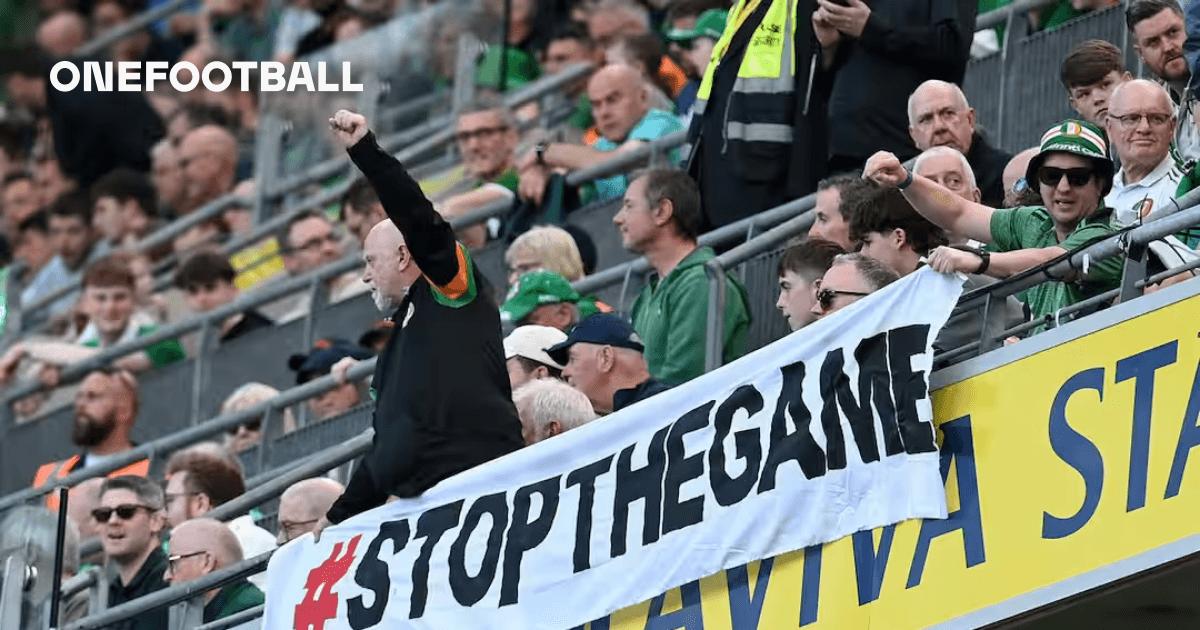
Protestors gathered outside the Irish team hotel in Dublin as part of the “Stop the Game” campaign. This unrest echoes other controversies like the ongoing fallout from Ed Sheeran’s Loop tour, where rapper Macklemore was dropped after expressing support for Palestine. Two Irish artists who withdrew from the tour in solidarity with Macklemore, Aaron Rowe and folk band Beoga, remind us that staying silent is also a choice.
Former Republic of Ireland player Kevin Kilbane, who earned 110 caps, wrote in the Irish Times that playing Israel leaves a “stain” on the FAI. He said, “Ireland should not be playing Israel. Not in Dublin, not in Hungary and definitely not a ‘home’ match in Serbia.”
FAI’s Position and UEFA’s Role
In November, the FAI wrote to UEFA’s Executive Committee requesting the immediate suspension of the Israel Football Association. Still, the FAI argued that refusing to play would harm Irish football overall. Forfeiting points could hurt Ireland’s chances to qualify for Euro 2028, which they will co-host, and future World Cups.
Unlike UEFA and FIFA’s swift suspension of Russia following its 2022 invasion of Ukraine, Israel has remained active in UEFA and FIFA competitions since October 7. UEFA had planned a vote on this issue but postponed it after reports of a ceasefire between Israel and Hamas, even though more than 1,300 Palestinians have died in Gaza since, according to health officials. Both sides accuse each other of breaking the truce.
Protests and Boycott Discussions Across Europe
No European nation has boycotted a match against Israel yet. Last season, demonstrations occurred before Israel played World Cup qualifiers in Norway and Italy, but neither country forfeited their games. Norwegian Football Federation president Lise Klaveness stated, “A boycott would only result in Israel going to the World Cup instead of us.”
Earlier this month, FAI chief executive David Courell revealed UEFA denied a request to separate Ireland and Israel in future draws, citing no direct conflict between the nations. UEFA explained that decisions to avoid certain matchups consider multiple factors, especially security risks, and each case is handled carefully.
UEFA did approve the FAI’s request to move the home fixture against Israel from Dublin to a neutral venue for safety reasons. No tickets are available for Irish fans at the away game in Hungary either. The Republic’s broadcaster, RTE, will provide only minimal coverage of these games without studio analysis, using international commentary feeds.
Despite empty stadiums and muted broadcasts, the matches remain highly charged. Opposition within Ireland is loud and clear.
Group B3 Standings (UEFA Nations League)
- Teams: Israel, Austria, Kosovo, Republic of Ireland
- Republic of Ireland's next fixtures:
- Vs Israel (away) - 27 September in Debrecen, Hungary
- Vs Israel (home) - 4 October in Backa Topola, Serbia (behind closed doors)



