
White House Defends Visa Denials for World Cup Officials
The White House official overseeing preparations for the World Cup in the United States has robustly defended the decision to deny visas to a Somali referee and several members of Iran’s support staff, insisting security concerns must trump sentiment in a tournament of this scale.
Andrew Giuliani, executive director of the White House Task Force for the World Cup, said the United States had already welcomed delegations from 35 teams without blocking a single player or coach, but drew a hard line on certain officials.
“No players, no coaches have been denied,” Giuliani said at an event hosted by the Atlantic Council in Washington. “There have been some officials that have been denied, and for good reason.”
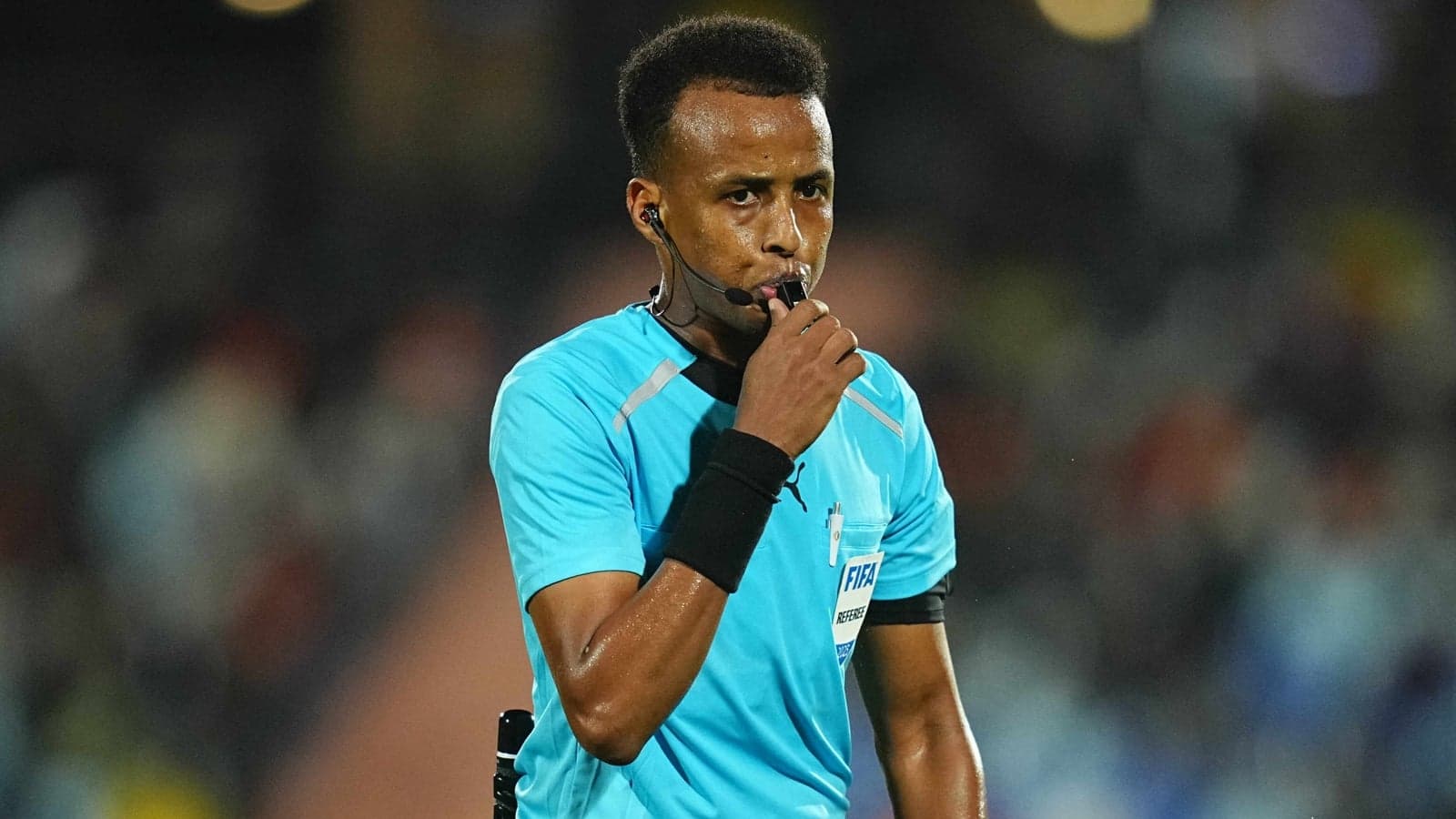
The most high-profile case is that of Somali referee Omar Artan. Lauded in Africa, shut out in America.
Artan, named men’s referee of the year in 2025 by the Confederation of African Football and on course to become the first Somali to officiate at a World Cup, was stopped at Miami airport and sent back. A US State Department official said the referee was “associated with suspected members of terrorist organisations,” a designation that, under US law, made him “ineligible for admission to the United States”.
For Artan, it was a shattering end to a historic opportunity. For US authorities, it was a clear-cut security call.
Giuliani, son of former New York mayor Rudy Giuliani, framed the decision as part of a broader effort to protect the tournament from those who might try to exploit it.
“We're striking that balance between making sure that any bad actors that… try to come into the country under the guise of the World Cup will not get access to the United States,” he said.
The backdrop is already tense. Somalia remains on a travel ban list introduced under President Donald Trump as part of a wider immigration crackdown, a policy that has repeatedly collided with sport and international events.
Iran have felt that collision too.
With their three group matches scheduled on American soil, Iran were forced to move their training base to Mexico because of the ongoing military conflict with the United States. The Iranian football federation said its ticket allocation for supporters had been revoked and that several members of the team’s support staff had been denied visas.
Giuliani pushed back on suggestions of a blanket squeeze on Iran’s football operation, stressing that the core technical group would be allowed in.
“All the Iranian coaching staff is coming in,” he said, before adding that “some Iranian officials” would not be admitted, again “for very good reason”.
He declined to spell out those reasons, hinting instead at concerns over misrepresented roles and deeper security links.
“I can't get into the particulars,” Giuliani said, “but there are some people that claim that they are coaches that may not be coaches.”
The message from the White House is clear: the World Cup may be a global festival, but it will not be a loophole.
Giuliani said President Trump wanted a “level playing field” for all competing nations, while ensuring that “people that are directly working, let's say, with the IRGC (Islamic Revolutionary Guard Corps) have no ability to access the United States of America”.
On security more broadly, the World Cup envoy insisted there were currently “no credible threats” to the tournament. Even so, he underlined that the US intelligence community has “tripled down” on monitoring and assessment as the competition approaches its climax.
That vigilance, he suggested, will not ease until the last whistle blows.
The watch will run, Giuliani said, “between now and whenever the final goal is scored on July 19.”



