Western United's A-League Licence Termination: A Reset for the Future
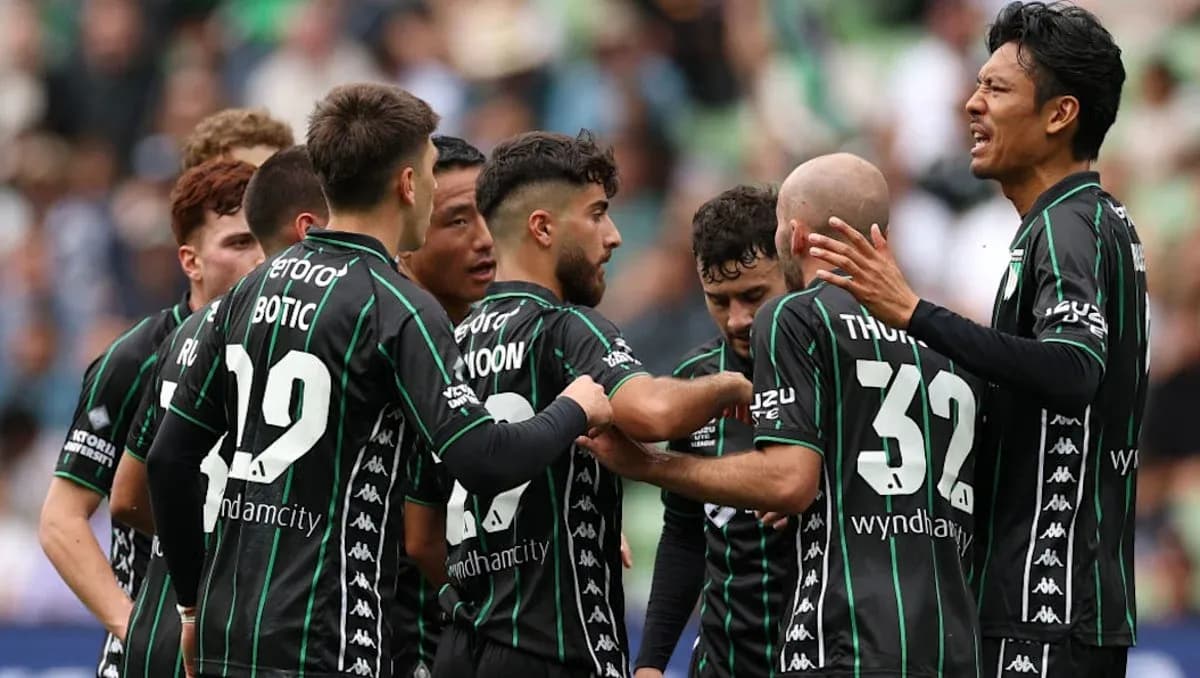
Western United’s A-League licence has been torn up, the club placed in liquidation, and its players scattered. Yet the message from the club on Monday was defiantly clear: this is not the end.
It is, they insist, a reset.
Licence gone, future uncertain
The Australian Professional Leagues (APL) confirmed Western United’s A-League men’s and women’s licences have been terminated after the club was found to be “in breach of a number of its obligations” under a conditional hibernation agreement struck in September last year.
That agreement was meant to buy time. Instead, it became the prelude to a full stop.
Western United had already suffered a major blow late last year when Football Australia stripped the club of its licence and the organisation was placed in liquidation under the weight of a $15 million tax debt. The club went hunting for a lifeline, exploring “all avenues” to stay alive in the A-League, including a takeover bid from an American investment group. No deal materialised.
The financial hole was too deep, the clock too loud.
APL closes the door
In a statement, the APL acknowledged the effort behind the scenes but drew a firm line under Western United’s time in the competition.
They noted the club had attempted to work through “financial, governance and legal matters to try and rebuild the club,” but confirmed that its involvement in the A-League men’s and women’s competitions “is no longer an option”.
APL chairperson Stephen Conroy underlined the human cost.
“It’s been a difficult period for everyone connected to Western United - and we want to acknowledge the management, staff, players and especially the fans - who have given so much to the club and will no doubt be hurt by this news,” he said.
The sporting consequences had already hit home. When the club entered hibernation last year, every Western United player became a free agent overnight. The squad dissolved in an instant, even as the club hierarchy clung to the idea of a comeback.
Head coach John Aloisi had already read the signs. In January, he left to take charge of Chengdu Rongcheng FC in China, a move that felt, even then, like the closing of a chapter.
Club tries to turn the page
If the APL statement sounded final, Western United’s response tried to bend the narrative in a different direction.
“Today marks a significant moment in our history and the beginning of a new chapter,” the club said in its own statement after the licence termination was confirmed.
The wording was deliberate. No talk of an ending. No concession that the story is over.
“Over recent months, we have worked closely with the APL on a pathway that gives the club the best opportunity to survive, rebuild and return to the A-League under new ownership.
This creates an opportunity for new custodians, new investment and a fresh start.
The objective must now be to preserve Western United’s identity in Melbourne’s west and work towards a return to the A-League for the 2027/28 season.”
That target – 2027/28 – is now the beacon. No guarantees. Just a date on the horizon and a promise that the name, colours and community roots will not be allowed to vanish.
Identity on the line
For now, Western United exists as an idea more than a team: a badge without a league, a club without a fixture list.
The priority, the statement stressed, is to find a sustainable model in partnership with the APL, Wyndham City Council, various levels of government, prospective owners and the wider football community. The ambition is not only survival, but a structure that can withstand the kind of financial shocks that brought the club down.
“This should not be the end of Western United. It should be the reset that allows the club to rebuild and return stronger,” the club added.
The A-League has moved on. The table will not pause, and the fixtures will not wait. Yet somewhere in Melbourne’s west, a club without a licence is daring to plan for a comeback in 2027/28.
Whether Western United can turn that reset into a genuine rebirth now depends on one thing the A-League has never been short of, but rarely guarantees: new money, new leadership, and a second chance.