Wembley Tailgaters Convicted Under New Match-Day Law
The Carabao Cup final at Wembley was supposed to be remembered for Manchester City’s 2-0 win over Arsenal. Instead, it has also become the backdrop for a legal first in English football.
Two men have been handed three-year football banning orders after becoming the first people in England convicted under new legislation targeting fans who try to get into matches without tickets.
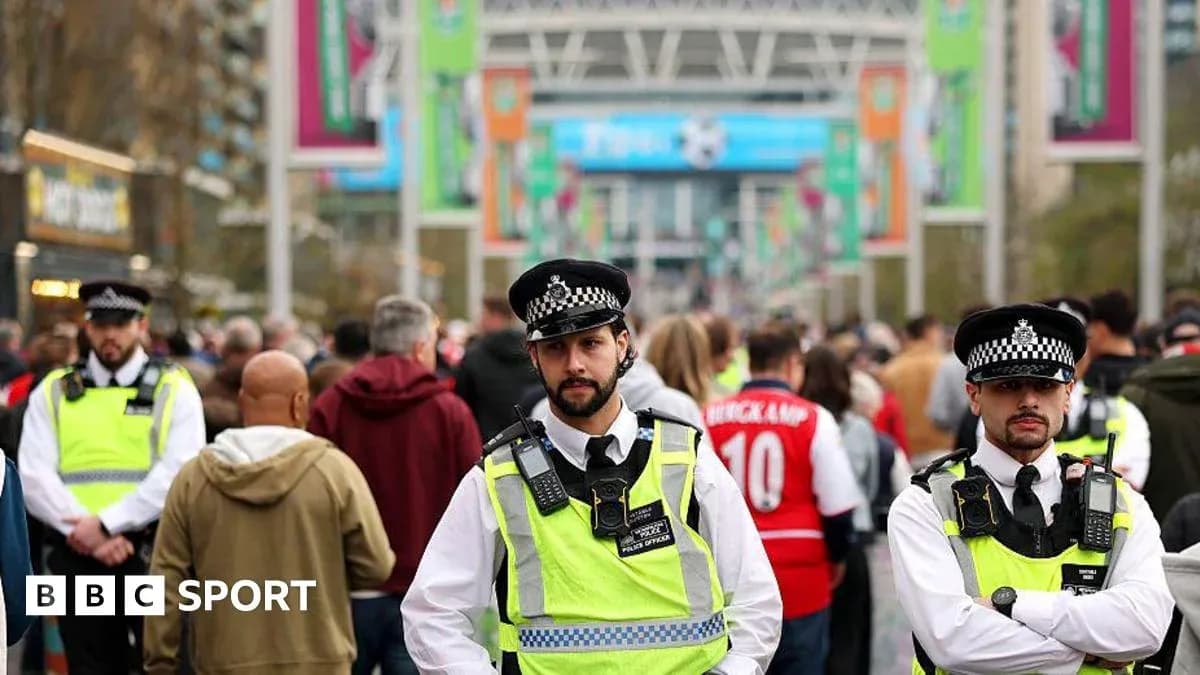
The law, aimed at clamping down on “tailgating” and other forms of unauthorised entry, came into force just before the final on 22 March at Wembley Stadium. Police moved quickly on the day, arresting three men under the new powers.
The first cases have now gone through the courts.
At Willesden Magistrates’ Court on 10 April, Kamal McEwan was fined £471 for unauthorised entry to the showpiece game and hit with a three-year ban from football. Alex Clark received a far heavier financial penalty: a £1,862 fine for unauthorised entry and possession of a Class A drug, along with his own three-year banning order. A third man is due before the court on 1 May.
For the authorities, this is exactly the sort of test case they wanted.
“This new legislation is already having a real and immediate impact,” said Wembley Stadium director Mark Lynch, welcoming the rulings. He underlined how, until now, there had been “no specific criminal penalties” for those attempting to force their way in without a ticket, a gap that left crowd safety teams under strain.
That gap has now closed. The message, Lynch stressed, is blunt: try to get in without a ticket and you risk “large fines and lengthy football banning orders”.
The Metropolitan Police share that stance. Chief Inspector Pete Dearden praised his officers for acting “quickly and decisively” at the Carabao Cup final, saying the convictions show that antisocial, dangerous and criminal behaviour at football will draw “firm enforcement action”.
The police will continue to work with the Football Association and other partners to shut down those intent on disruption. The question now is how many more fans will test a law that has already shown its teeth on one of English football’s biggest stages.