
Wayne Rooney Critiques FIFA's World Cup Final Show
Wayne Rooney did not bother dressing it up. On the night FIFA tried to turn the World Cup final into a Super Bowl-style spectacle, England’s record goalscorer cut straight through the glitter.
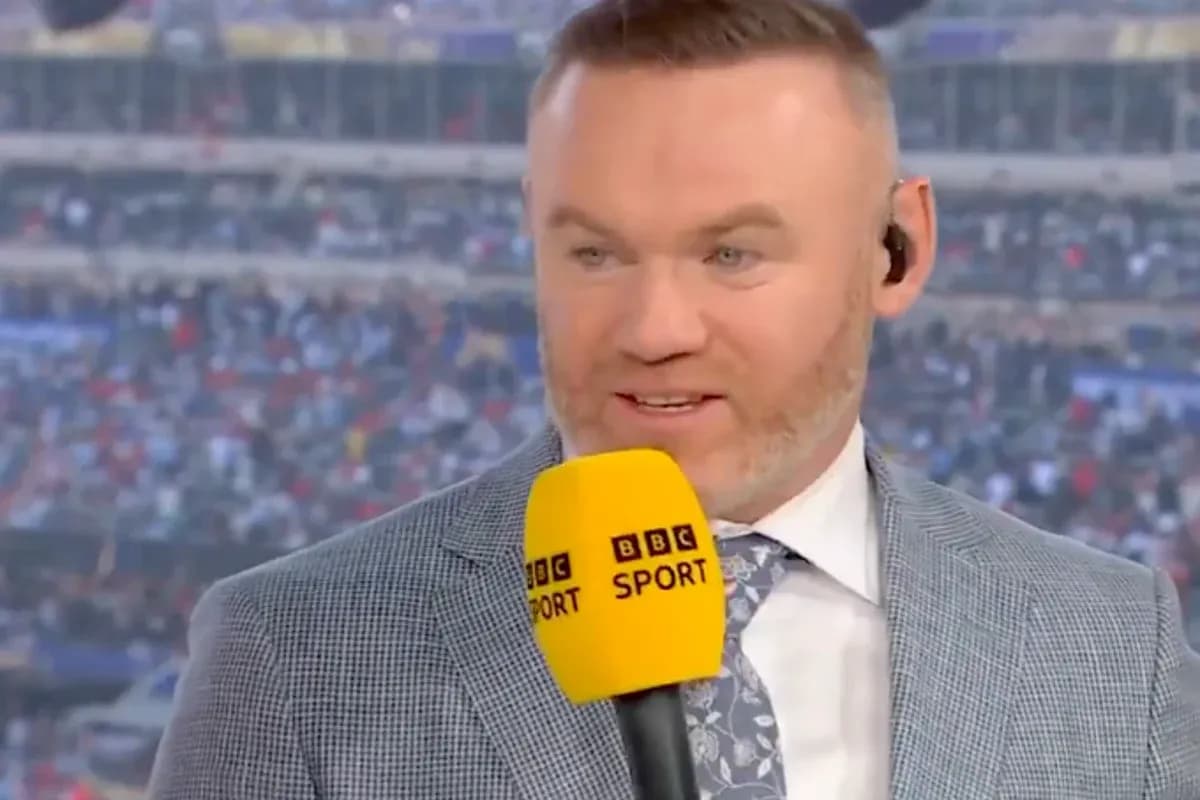
Asked live on BBC at half-time for his highlight of the extended interval show at MetLife Stadium, Rooney paused, then swung.
“I’ll be honest, mine was when it finished,” the 40-year-old said, sitting alongside Joe Hart and Micah Richards. “I like a lot of them artists but I thought it was crap.”
On a night when Spain and Argentina were supposed to share the stage, the football briefly had to make room. FIFA had stretched the traditional 15-minute break into a 27-minute production, an 11‑minute showpiece curated by Coldplay frontman Chris Martin and fronted by a cast list that read like a festival poster.
- Madonna
- Shakira
- Justin Bieber
- Burna Boy
- BTS
- The Muppets
- Sesame Street characters
A World Cup final turned variety show.
Madonna arrived in theatrical fashion, driven onto the pitch by Brazil legends Ronaldo and Ronaldinho. Shakira delivered the familiar big-stage energy that has made her a staple of global tournaments. South Korean giants BTS added their own segment to a programme designed to play to every corner of the planet.
The cameras cut back to the BBC studio. Presenter Gabby Logan, having just come out of a BBC promotional spot, asked the pundits for their favourite moments. Rooney did not flinch.
“It just didn’t get me going and I wanted the football to come back on,” he said. “I like Burna Boy, I like Bieber, I like Shakira, but that was too flat.”
Next to him, Richards took a different view. The former Manchester City defender picked out Shakira and Nigerian star Burna Boy as his standout acts, then turned to Rooney with a grin and branded him “miserable” for his blunt verdict. Logan, seizing the moment, added: “I’ll tell you what else you get on the BBC: honest reviews.”
Honest, and in Rooney’s case, unforgiving.
Across the broadcast divide, ITV’s Roy Keane struck a slightly softer note but reached a similar conclusion about the spectacle.
“It was a bit of an anti-climax,” Keane said, suggesting the television audience felt underwhelmed even if, in his view, “the people in the stadium probably enjoyed it more than us.” He could not resist adding one concession: “But it’s always nice to see Shakira.”
This was FIFA’s big experiment. President Gianni Infantino had announced the plan back in March of last year, positioning the show as a flagship entertainment moment and a statement of where football’s biggest event now sits in the global marketplace. Half-time in a World Cup final, reimagined in the image of the NFL’s Super Bowl.
The comparison was obvious. In the United States, the Super Bowl half-time show has become as much of a cultural event as the game itself, a platform that has hosted the biggest names in music and created moments replayed for years. FIFA wanted its own version on football’s grandest stage.
There was also a cause attached. The show supported the FIFA Global Citizen Education Fund, an initiative aiming to raise 100 million US dollars to expand access to education and football for children worldwide. The governing body framed the spectacle as both entertainment and philanthropy.
The build-up to kick-off had already hinted at the scale of FIFA’s ambition. The closing ceremony before the match featured Hollywood star Tom Cruise, pop singer Robbie Williams and US vocalist Jennifer Hudson. Nicole Scherzinger of Pussycat Dolls fame, Italian singer-songwriter Laura Pausini and streamer IShowSpeed all took their turn under the lights. Post Malone and rapper Swae Lee added to a pre-match line-up that would not have looked out of place at a major awards show.
By the time the referee finally whistled for the second half to begin, the players had been off the pitch for almost half an hour. The rhythm of a World Cup final, usually taut and breathless, had been stretched to accommodate a global TV moment.
In New Jersey, the crowd lapped it up, phones raised, stadium sound system shaking. In living rooms and studios back in Britain, the reaction cut a little colder.
Rooney spoke for a certain type of football fan: those who will always want the ball back in play sooner, the noise coming from the stands rather than the stage. On a night when FIFA tried to redefine what a World Cup final can be, one of the game’s most recognisable figures made it clear where he stands.



