UEFA Confirms Payment Amid Infantino Allegations
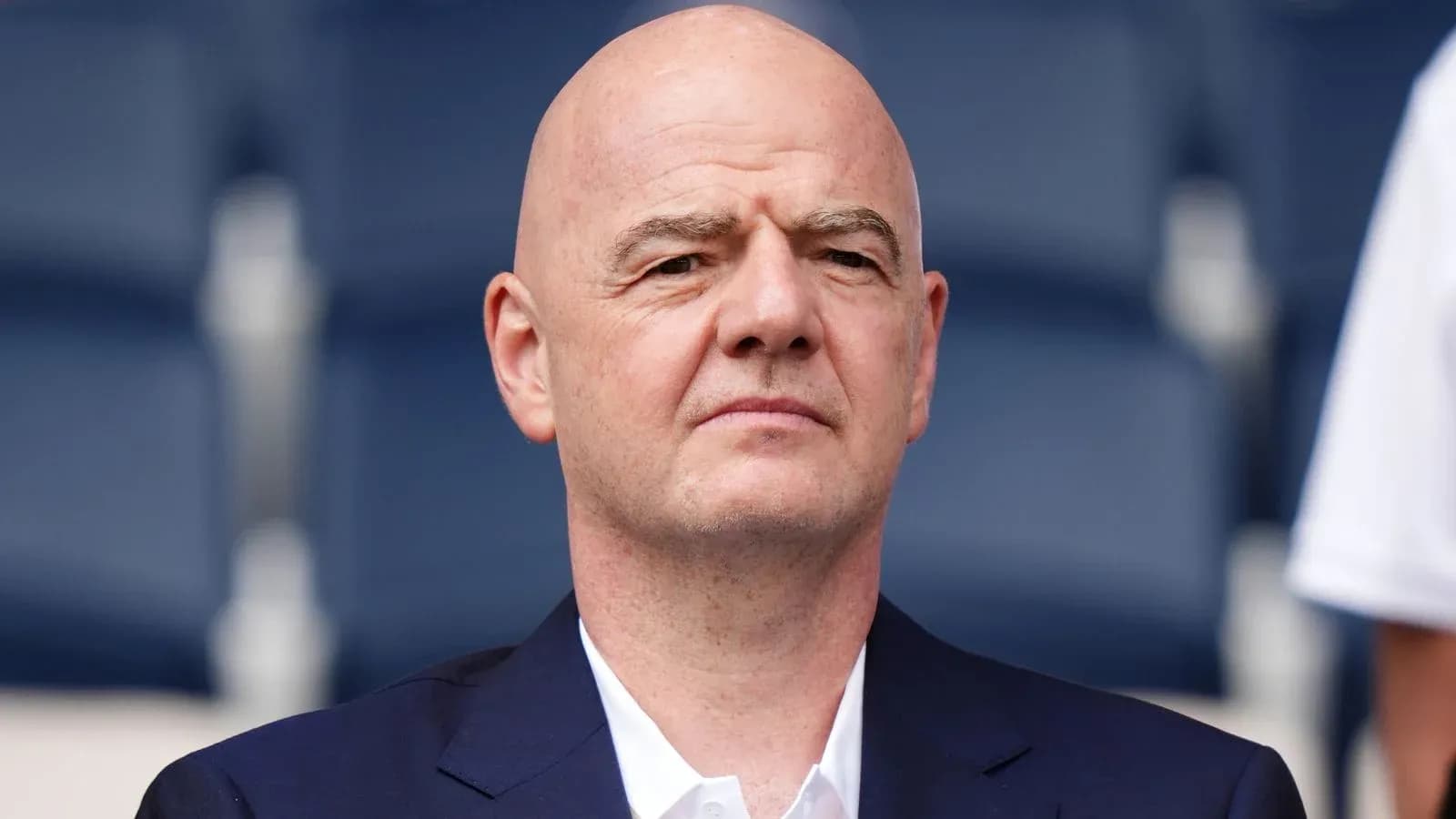
UEFA has acknowledged it is aware of an allegation that European football’s governing body paid off an alleged mistress of Gianni Infantino during his time in Switzerland, a claim the FIFA president “strongly denies”.
The Telegraph reports that while Infantino served as general secretary at UEFA, a woman said to have been in a relationship with him received a six‑figure sum after leaving the organisation. Part of that package, according to the report, included the cost of an MBA (Master of Business Administration) at a local business school.
That accusation drags UEFA and FIFA back into territory they know too well: questions over governance, money, and power at the very top of the game.
FIFA moved quickly to reject the story. In a statement to The Telegraph, a FIFA spokesperson said Infantino “strongly denies these allegations, and they are categorically untrue,” calling “any insinuation of inappropriate conduct or violation of statutes or regulations” defamatory.
The statement stressed that no formal concerns had ever been raised internally about Infantino’s behaviour.
“No employee at UEFA and FIFA has ever raised a complaint regarding Mr Infantino’s behaviour because there never was an incident where he was involved,” the spokesperson said. “All company actions related to employees, including any departure and severance packages, have always been approved by the appropriate directors in accordance with all applicable regulations.”
UEFA, contacted separately by Sky Sports News, did confirm that a payment was made to the individual in question, including funding for an MBA. But the organisation insists it followed the rules in place at the time.
In its statement, UEFA said: “We are aware of the allegations and can confirm a departure payment was made to the individual in question, coupled with the payment of fees for an MBA course at a local business school.
“The payment was in line with the regulations that existed for departing staff at the time. Such regulations have been tightened since 2016 and the current staff regulations – which apply to all UEFA employees at whatever level – reflect those found in a modern, high-profile organisation.”
That date is not incidental. Infantino worked at UEFA from 2000 until 2016, rising to the role of general secretary before leaving to become FIFA president in the wake of the corruption scandals that toppled Sepp Blatter and reshaped the world body.
The allegation now places fresh scrutiny on that transition era, and on the internal culture of European football’s most powerful institutions during a period when they publicly promised reform.
For the moment, the lines are sharply drawn: a newspaper report citing a six‑figure payoff and education fees; UEFA acknowledging the payment but framing it as standard practice; FIFA and Infantino rejecting any suggestion of misconduct in the strongest terms.
Sky Sports News has contacted FIFA for further comment. The next move, and whether any formal investigation follows, will tell football how seriously its leaders want their own rules to be tested.