
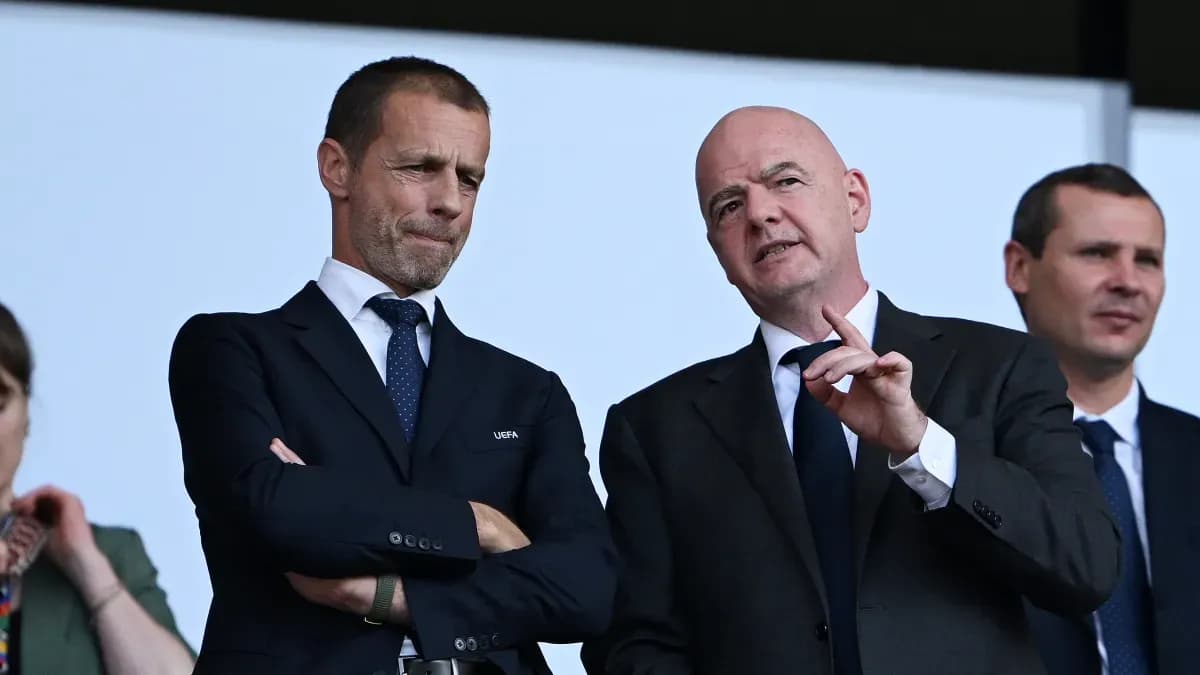
Why UEFA Is Challenging Gianni Infantino’s Leadership at FIFA
Growing Rift Between FIFA and UEFA
Over the past ten years, conflicts have intensified between FIFA, the global soccer authority, and its European counterpart, UEFA. The fallout from Gianni Infantino’s failed FIFA Forward Enterprise (FFE) initiative has pushed tensions to new heights.
The two organizations have long had divergent priorities, sparking frequent disagreements. The friction has escalated into an international dispute, centering largely on the relationship between FIFA president Gianni Infantino and UEFA president Aleksander Ceferin.
UEFA Urges Members to Withdraw Support for Infantino
Following the collapse of the FFE plan—which involved controversial proposals to sell parts of the World Cup to private investors—UEFA has encouraged its member associations to formally retract their backing for Infantino. Wales was the first to act, with England and most other European nations expected to follow.
UEFA is also exploring legal avenues against Infantino related to the FFE controversy. Reports indicate a document preservation request was sent to FIFA to prevent destruction of any relevant evidence should a lawsuit arise.
Why UEFA Is Leading the Opposition
The rift stems from differing financial and competitive priorities. For FIFA, the World Cup is the major revenue generator, while UEFA focuses on club competitions like the lucrative Champions League and strong domestic leagues across Europe.
Both groups want to expand their influence within the crowded football calendar, often clashing over scheduling. FIFA's decision to hold the 2022 World Cup in winter disrupted the European club season, causing significant headaches for UEFA stakeholders.
Voting power within FIFA also fuels the divide. Every country, regardless of size or strength, gets one vote, which benefits smaller nations mostly outside Europe. Infantino’s administration has generally aligned with these smaller members, pushing reforms that Europe sees as sidelining its interests.
The FFE’s promised payouts, appealing especially to less wealthy nations, exemplified this divide. European countries felt marginalized, left out of key conversations shaping football’s future.
Key Clashes in Recent Years
- SoftBank Deal (2018): Infantino’s $25 billion proposal with SoftBank to fund new competitions, including a revamped Club World Cup, met fierce resistance from UEFA, which saw it as overreach and a strain on clubs. Ceferin called it "a highly cynical and ruthless mercantilism."
- World Cup Expansion: UEFA opposed FIFA’s consideration of hosting the World Cup every two years, arguing it would dilute the tournament’s prestige and lead to more randomness.
- Folarin Balogun Red Card Incident: UEFA criticized FIFA for overturning Balogun’s red card during the 2026 World Cup. They condemned Infantino for yielding to lobbying from U.S. political figures, which they felt compromised the sport’s fairness.
- Political Ties: UEFA took issue with Infantino’s close relationships with world leaders. In 2025, Ceferin walked out of a FIFA meeting after Infantino arrived late following a private meeting with U.S. President Donald Trump, viewing it as prioritizing political interests over football governance.
Looking Ahead
The discord between UEFA and FIFA illustrates the challenges of balancing global and regional ambitions within football’s governance. With legal challenges looming and member support shifting, the struggle over football’s future appears far from resolved.



