Toronto II Claims 2–1 Victory Over Philadelphia Union II
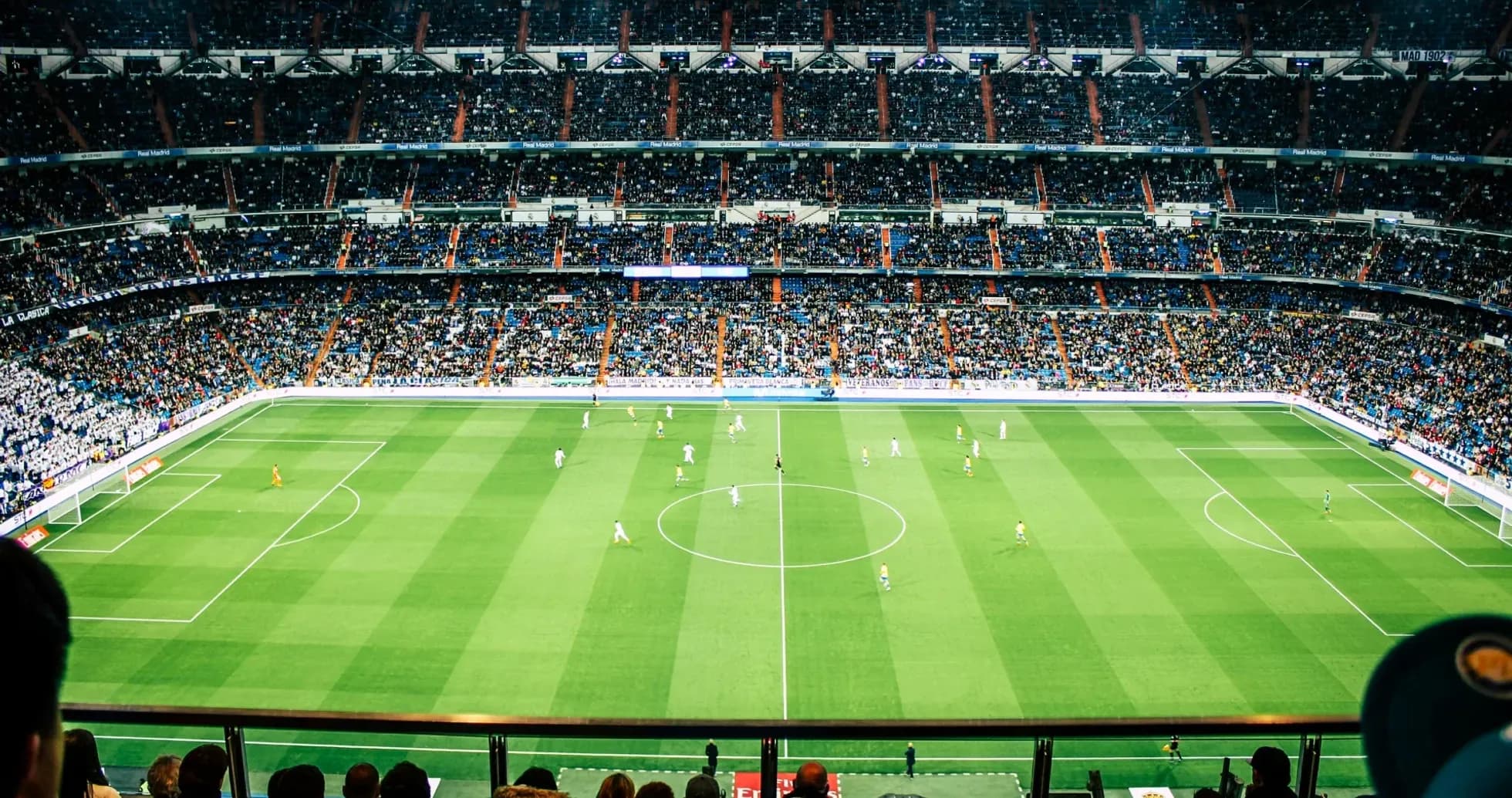
Under the lights at York Lions Stadium, a developmental fixture between Toronto II and Philadelphia Union II carried the quiet weight of an Eastern Conference subplot. The 2–1 home win, sealed in regulation, was not just another MLS Next Pro group-stage result; it was a statement from a young Toronto II side trying to harden its identity against a fellow playoff-chasing academy.
Heading into this game, the standings painted a picture of two near-equals. Toronto II sat 7th in the Eastern Conference with 19 points from 12 matches, a goal difference of 2 built from 20 goals for and 18 against. Philadelphia Union II, 10th with 18 points and the same goal difference of 2 (15 scored, 13 conceded), were a step behind but just as volatile: both teams had six wins and six losses, no draws, and form lines that swung violently between streaks of victories and defeats.
Toronto II’s seasonal DNA is that of a high-variance side. Overall they average 1.8 goals for and 1.7 goals against per match, leaning into chaos more than control. At home they have been slightly sharper in attack, with 9 goals in 5 matches (1.8 per game) and 8 conceded (1.6 per game). On their travels, Philadelphia Union II have been more conservative: 5 goals scored and 5 conceded in 4 away fixtures, an average of 1.3 goals for and 1.3 against. This clash of a freewheeling home side against a more balanced but brittle visitor set the tactical tone long before the first whistle.
Lineups
Gianni Cimini’s lineup for Toronto II read like a developmental lab: Z. Nakhly, R. Campbell-Dennis, R. Fisher, S. Kapor, and M. Chisholm formed the defensive core, with T. Blyth, M. Stojadinovic, and B. Boneau offering the connective tissue in midfield. Ahead of them, F. Bank, J. Nolan, and A. Bossenberry provided the attacking thrust. Without explicit formation data, the selection hints at a flexible structure: a back four anchored by Kapor and Fisher, with Chisholm likely offering width, and a midfield designed to oscillate between double pivot and box-to-box aggression.
On the opposite bench, Ryan Richter leaned on a Philadelphia Union II XI that blended technical midfielders and direct runners. P. Holbrook guarded the goal, shielded by O. Pratt, F. Sundstrom, R. Uzcategui, and J. Griffin. In front of them, O. Benitez, M. De Paula, and K. LeBlanc suggested a midfield built to press and recycle, while M. Jakupovic, W. Ferreira, and E. Davis III carried the attacking load. The substitutes’ benches told a quieter story: Toronto II had nine options, including D. Kantorowicz, L. Costabile, D. Dixon, D. Barrow, and K. Kerr, while Union II travelled lighter with five, among them C. Lorent and G. Sequera.
Tactical Analysis
Tactically, the voids in this fixture were less about missing players and more about structural fragilities. Toronto II came in with only 3 clean sheets overall, and only 1 at home. They had failed to score in 3 matches, all on their travels, underlining how crucial York Lions Stadium is to unlocking their attacking verve. Philadelphia Union II, meanwhile, had 2 clean sheets at home but none away, and had failed to score once on their travels. This suggested that as soon as Toronto II found rhythm, Union II’s away defensive shell could crack.
Disciplinary patterns added another layer. Toronto II’s yellow cards cluster in the 31–45 and 76–90 minute windows, each accounting for 23.81% of their cautions. That late-game surge of bookings often signals a young side protecting a lead or chasing a result with emotional intensity. Philadelphia Union II’s yellow-card curve is more spread, with notable spikes at 16–30, 61–75, and 91–105 minutes (each 17.65%), and a worrying red-card history: 50.00% of their reds arrive between 31–45 minutes and another 50.00% between 61–75. It speaks to a team that can lose control in key momentum phases.
Key Matchups
This is where the “Hunter vs Shield” narrative crystallises. Toronto II, as a unit, are the hunter: 21 goals overall, with a home best of 3 goals in a single match and an away peak of 5. Their biggest away win, 0–5, underscores how explosive they can be when the game opens up. Philadelphia Union II’s shield is not fragile, but it is imperfect: 14 goals conceded overall, with 5 on the road. Their away defensive average of 1.3 goals against per game is respectable, yet it faced a home side whose natural rhythm sits above that.
In the “Engine Room” battle, names like B. Boneau, M. Stojadinovic, and T. Blyth become crucial for Toronto II. Their job is to manage tempo and transition, ensuring that the side’s attacking average of 1.8 goals per game does not come at the cost of being repeatedly exposed. For Philadelphia Union II, O. Benitez and K. LeBlanc are the likely enforcers, tasked with disrupting Toronto’s passing lanes and feeding the likes of W. Ferreira and E. Davis III quickly in transition. Without explicit assist or chance-creation data, the story is written in structural intent: Toronto II want verticality and volume; Union II want compactness and selective strikes.
Penalties offer a subtle psychological edge. Toronto II have taken 1 penalty this season and scored it, a 100.00% conversion with no misses. Philadelphia Union II have yet to be awarded a spot-kick. In tight developmental matches, the confidence of having already converted from 12 yards can matter, particularly for a team that leans into attacking risk.
Conclusion
Following this result, the statistical prognosis tilts towards Toronto II as a dangerous, if inconsistent, playoff contender. Their overall goal difference, calculated from 21 scored and 20 conceded, remains a slender 1, but the trajectory at home is promising: 3 wins from 5, 9 goals for, 8 against. Philadelphia Union II, with a total goal difference of 2 from 16 scored and 14 conceded, remain competitive but must confront a clear pattern: away from home, their defensive solidity is not enough on its own to absorb a side that thrives in chaos.
In narrative terms, Toronto II’s 2–1 win felt like a microcosm of their season: high tempo, emotional edges in the key card windows, and just enough structure from the likes of Kapor, Chisholm, and Boneau to hold the line. Philadelphia Union II, for all their technical quality and balanced scoring profile, were once again reminded that on their travels, the margins are thinner, the mistakes costlier, and the young hunters of MLS Next Pro are unforgiving.