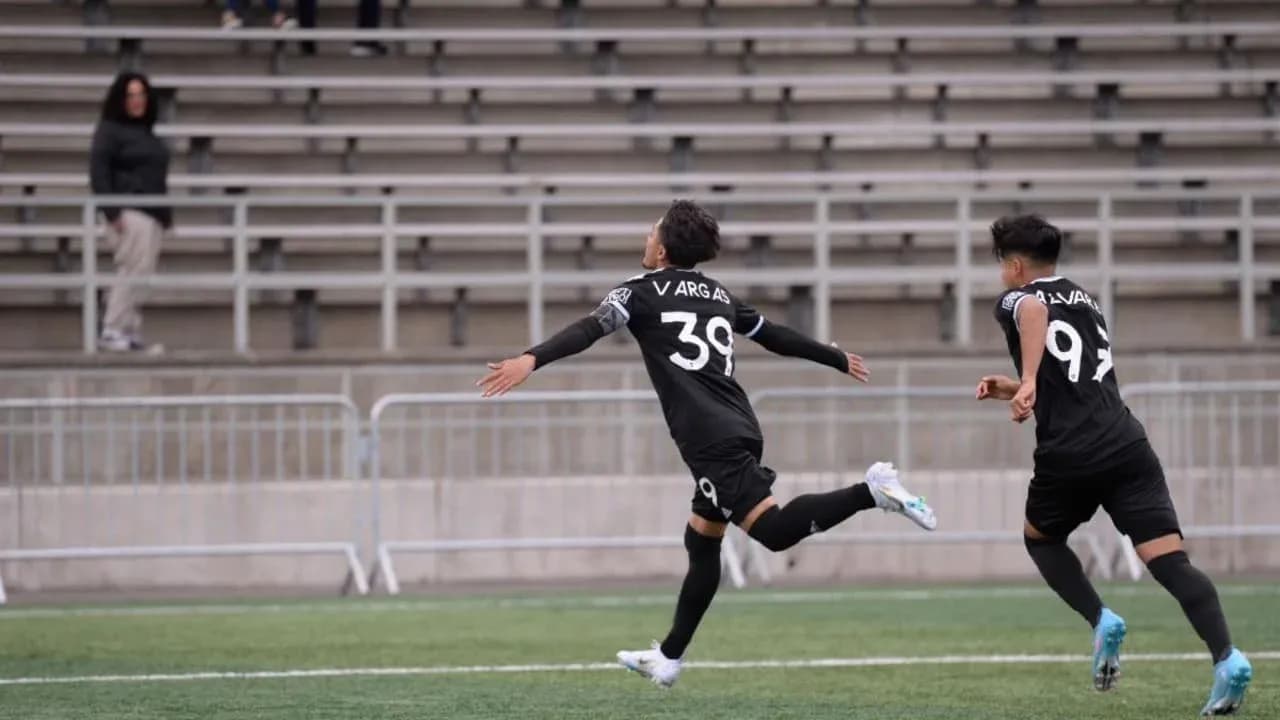
Tacoma Defiance Secures 1–0 Win Over Ventura County in MLS Next Pro
Under the lights at Starfire Sports, this Group Stage meeting in MLS Next Pro felt like a clash of identities as much as a simple 1–0 home win. Tacoma Defiance, sitting 6th in the Pacific Division heading into this game with 14 points and a goal difference of -5 overall, welcomed a Ventura County side that arrived in 4th with 19 points and a slender overall goal difference of 1. On paper it was the classic story: a high-variance, goal-hungry visitor against a fragile but improving home outfit trying to steady their season.
Tacoma’s seasonal profile before kick-off was that of a streaky, volatile side. Overall they had played 12 league matches, winning 5 and losing 7 with no draws, scoring 15 and conceding 19 in total. At home they had been slightly more measured: 7 matches, 3 wins and 4 defeats, 9 goals for and 8 against. The numbers painted a team that could both sting and be stung, averaging 1.3 goals scored at home against 1.1 conceded. Ventura County, by contrast, came in as a more expansive, attacking unit: 13 matches overall, 7 wins and 6 losses, 24 goals for and 21 against. Away from home they had been particularly dangerous, winning 5 of 8 on their travels, scoring 14 and conceding 11, with a sharp away scoring average of 1.8 and a respectable 1.4 against.
Within that statistical backdrop, the 1–0 scoreline in Tacoma’s favour felt like a statement of tactical discipline as much as anything else. The hosts’ lineup, while listed without formal positions, hinted at a spine built on balance rather than star power. M. Anchor, wearing 50, set the tone from the back, flanked by the likes of D. Alvarez and R. Sailor. The presence of G. Sandnes and C. Phoenix suggested a back line comfortable with both physical duels and recovery runs, crucial against a Ventura County side used to opening games up.
In midfield and advanced areas, Tacoma leaned on a cluster of industrious profiles. M. O’Neill and X. Gnaulati offered connective tissue between thirds, while C. Gaffney and R. Jauregui gave the side vertical thrust. E. Carli and Y. Tsukanome completed a front unit that, on a good night, could mirror Tacoma’s overall scoring rhythm: not prolific, but capable of striking in bursts. The bench options of M. Shour, D. Robles and the energetic O. Hassan gave the coach flexibility to either close the game down or chase transitions late on.
Ventura County’s XI told a different story. S. Conlon anchored the side in the defensive half, supported by M. Vanney, S. Hernandez and E. Martinez – a back four tasked with managing risk for a team that usually leans into chaos. Ahead of them, R. Dalgado and G. Arnold formed the kind of platform that allows the attacking quartet to roam: Pepe, I. Luna, V. Garcia and E. Preston, with J. Placias adding another layer of movement and pressing. This was a group built to exploit their away scoring average of 1.8, used to trading punches and trusting their forwards to outscore the damage at the other end.
The absence of formal injury or suspension data meant both squads appeared close to full strength, but the disciplinary trends across the season hinted at how the duel might be refereed in the players’ minds. Tacoma’s yellow card profile showed a notable spike between 46–60 minutes (31.25%) and a significant share between 31–45 minutes (25.00%) and 76–90 minutes (18.75%). This is a side that historically flirts with the edge of control in the middle and late stages of games, often when protecting or chasing a result.
Ventura County’s card distribution was even more telling. Only 5.56% of their yellows arrived in the opening 15 minutes, but a combined 94.44% came after the break, with a heavy concentration between 61–75 minutes (33.33%) and 76–90 minutes (33.33%). They are, by the numbers, a team that becomes increasingly combative as the match wears on – a pattern entirely consistent with an aggressive, front-foot away side that often plays open, high-risk football.
That disciplinary curve intersected intriguingly with Tacoma’s defensive needs. Overall, Tacoma conceded 1.6 goals per match, but only 1.1 at home. Ventura County’s away attack – 14 goals in 8 matches – is used to breaking games open in the second half, yet their own late yellow-card spikes suggest they can lose composure when chasing. In this fixture, Tacoma’s ability to keep a clean sheet against such a profile underlined a defensive performance that finally matched their home numbers on paper.
Individually, the “Hunter vs Shield” dynamic was more collective than star-driven. Without top scorer data, Tacoma’s threat was spread across the likes of Tsukanome, Carli and Jauregui, all of whom benefit from the connective work of Gnaulati and O’Neill. The “Shield” was a unit: Anchor, Sailor and Sandnes embodying a back line that, at its best, resembles the home record – compact, conceding just over a goal per game, and able to absorb waves of pressure.
For Ventura County, the “Hunter” was the system itself: Pepe’s movement between lines, Luna’s creativity, Garcia’s running and Preston’s presence all feeding into an away side that had already produced a biggest away win of 0–2 and regularly hit multiple goals on their travels. The “Engine Room” duel between Tacoma’s O’Neill–Gnaulati axis and Ventura’s Arnold–Dalgado pairing was always likely to decide whether the match tilted towards Ventura’s high-scoring script or Tacoma’s controlled resistance.
From a statistical prognosis standpoint, the pre-match expectation would have tilted slightly towards goals. Both teams averaged 1.6 goals against overall, and Ventura County’s away attack is among the more productive in the division. Yet Tacoma’s home defensive record and their ability to keep 2 home clean sheets heading into this game hinted that, if they could drag the tempo into their preferred rhythm, a low-scoring grind was entirely plausible.
Following this result, the narrative belongs to Tacoma’s discipline. They took a team with 24 goals overall and 14 away and held them scoreless, aligning their defensive performance with the more optimistic reading of their home numbers. Ventura County, for all their attacking promise, were forced into the kind of narrow defeat that exposes the thin margin of their overall goal difference of 1. In a league table where streaks define seasons, this 1–0 at Starfire Sports felt like a quiet but significant pivot: Tacoma proving they can win not just by chaos, but by control; Ventura reminded that their attacking edge needs a more stable defensive platform if their promotion ambitions are to survive the grind of the run-in.