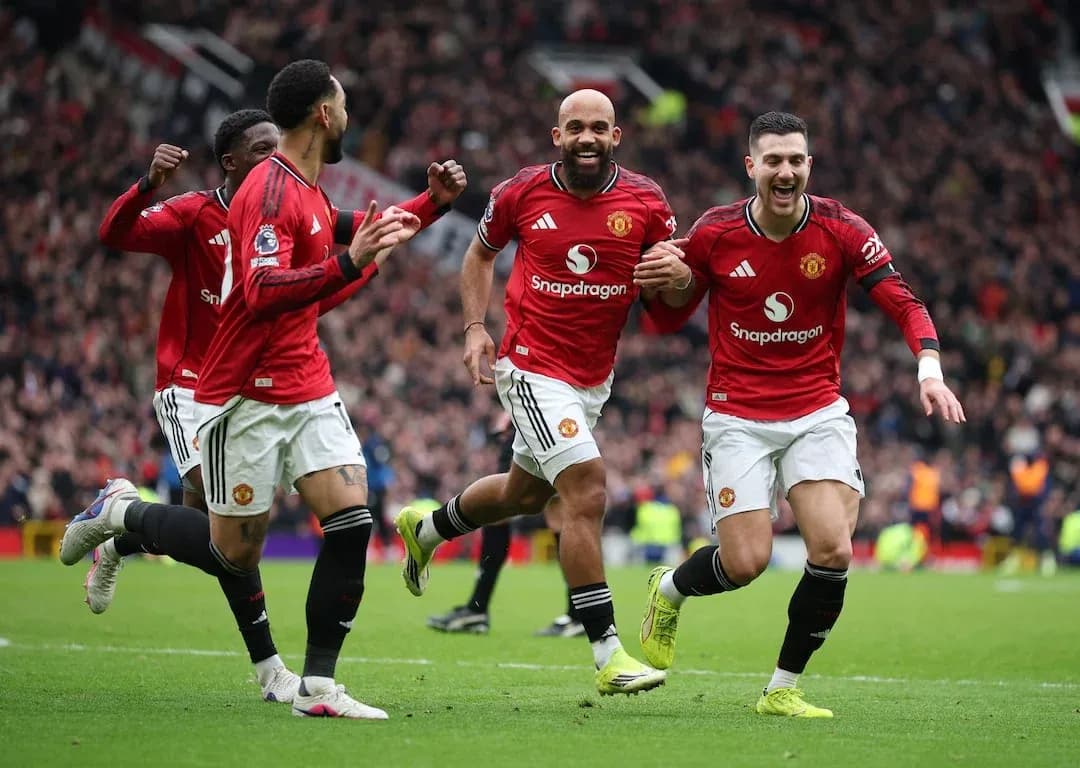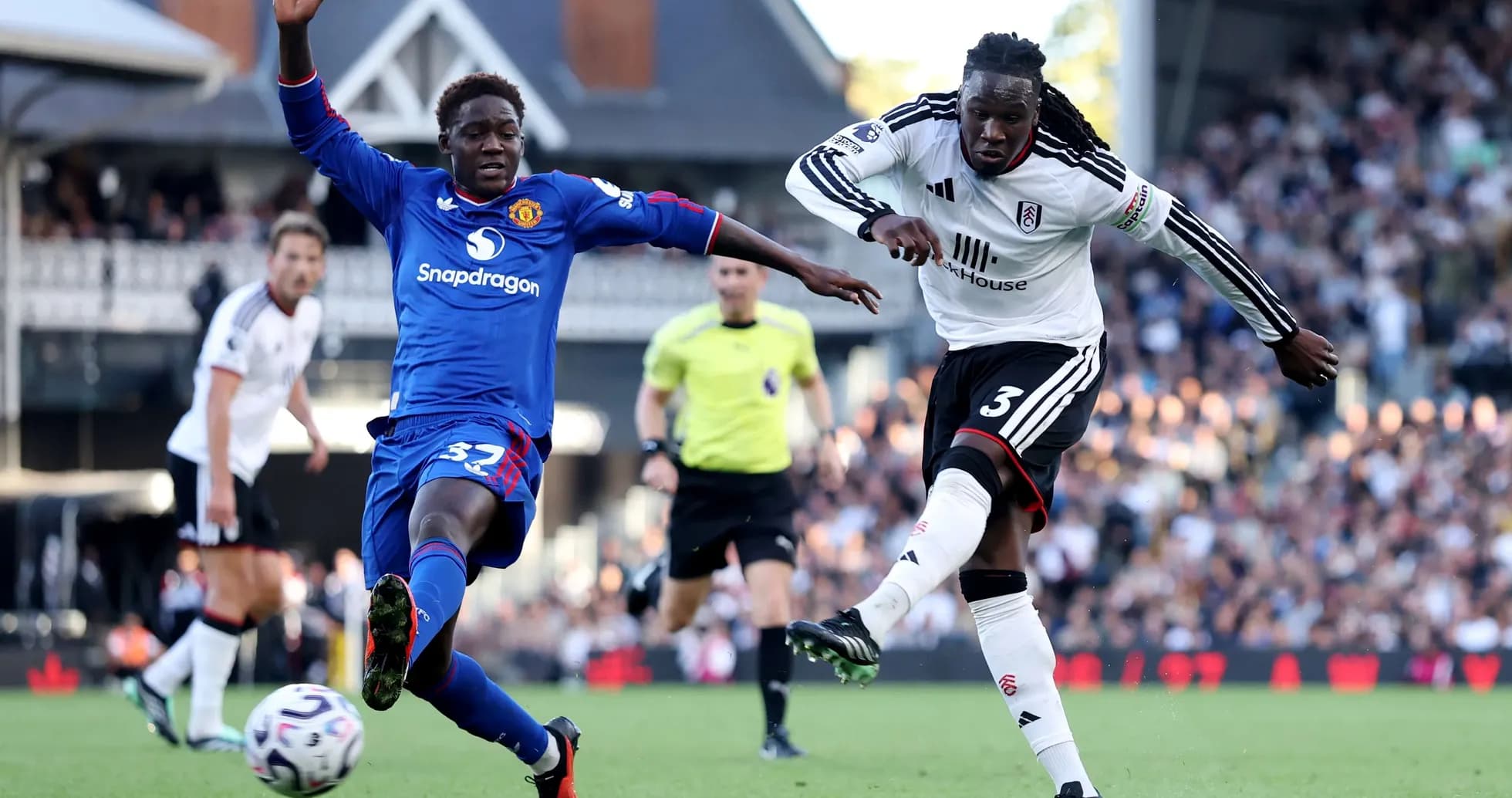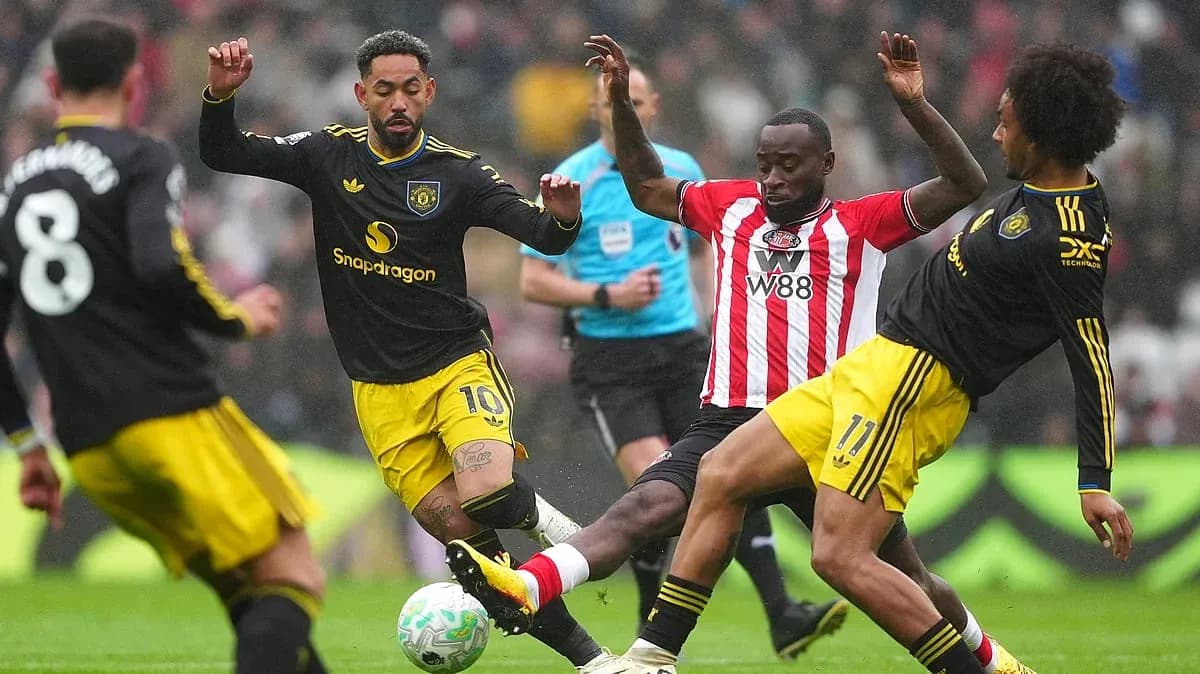
Sunderland vs Manchester United: Tactical Analysis of a Goalless Draw
Sunderland and Manchester United played out a 0–0 at the Stadium of Light in Round 36 of the Premier League, a match that was tactically rich despite the lack of goals. Regis Le Bris’ Sunderland edged possession, generated the better chances, and posted the higher xG, while Michael Carrick’s United leaned on defensive structure and last-line interventions to escape with a point. Both sides mirrored each other in intensity and fouls, but United’s indiscipline under pressure left them managing the game more than controlling it in the final half hour.
The disciplinary story was one-sided and closely tied to United’s attempts to disrupt Sunderland’s rhythm once the hosts took territorial control after the break. There were no cards in the first half, reflecting a relatively clean and balanced opening 45 minutes in which both teams probed cautiously and the score remained 0–0 at halftime.
Disciplinary Actions
The first booking arrived at 54', when Mason Mount (Manchester United) — Foul, was shown a yellow card as Sunderland began to win more second balls in midfield. Four minutes later, the growing physical edge up front was underlined at 58', with Joshua Zirkzee (Manchester United) — Foul, also going into the book. That card effectively framed Zirkzee’s duel with Sunderland’s centre-backs as a risk zone for United, and it likely influenced Carrick’s substitution pattern.
United’s first personnel change followed at 65': Patrick Dorgu (IN) came on for Joshua Zirkzee (OUT), a move that both removed a booked forward and introduced a more defensively reliable presence on the flank. At 75', Carrick made a second attacking adjustment: Bryan Mbeumo (IN) came on for Amad Diallo (OUT), looking to add direct running and transition threat against a Sunderland side increasingly camped higher up the pitch.
Le Bris delayed his own attacking refresh until 79', when Nilson Angulo (IN) came on for Chemsdine Talbi (OUT), adding fresh legs to maintain Sunderland’s press and vertical runs from midfield. The final booking of the match captured the tension of stoppage time: at 90+3', Matheus Cunha (Manchester United) — Simulation, received a yellow card, punished explicitly for Simulation rather than contact, as United tried to manufacture one last decisive moment. Sunderland’s last substitution came at 90', with Eliezer Mayenda (IN) coming on for Trai Hume (OUT), a late attacking tweak that did not have time to tilt the scoreline.
Tactical Overview
Tactically, Sunderland’s plan was built on controlled possession and layered occupation of central spaces. With 51% of the ball and 493 total passes at 84% accuracy, Le Bris’ side used Granit Xhaka and Noah Sadiki as the primary circulation hubs, enabling Enzo Le Fée and Chemsdine Talbi to find pockets between United’s midfield and defence. The shot profile (15 total shots, 9 inside the box) shows how often Sunderland were able to progress into dangerous zones rather than settling for hopeful efforts from distance.
Robin Roefs’ role was relatively calm but crucial: with only 1 save required, Sunderland’s goalkeeper was mostly a sweeper and reset point rather than a shot-stopper under siege. The defensive line of Lutsharel Geertruida, Nordi Mukiele, Omar Alderete and Reinildo Mandava managed United’s central threats effectively, forcing most of United’s possession to be recycled rather than penetrative. Sunderland’s xG of 1.25 reflects several reasonably high-quality looks, but their finishing and United’s last-ditch defending left the score unchanged.
Manchester United’s structure under Michael Carrick was more reactive but still coherent. With 49% possession and 478 passes at 82% accuracy, United were not overrun but spent more phases without territorial control. Their 11 total shots (6 inside the box) and xG of 0.62 indicate that they did reach advanced areas, but not as frequently nor as cleanly as Sunderland. The back four of Noussair Mazraoui, Harry Maguire, Lisandro Martínez and Luke Shaw absorbed pressure, with the central pairing especially important in defending crosses and cutbacks.
Senne Lammens was the busier goalkeeper, making 4 saves and underpinning United’s defensive resilience. That save count, combined with Sunderland’s higher xG, suggests that Lammens’ interventions were decisive in preserving the clean sheet. In midfield, Kobbie Mainoo and Mason Mount were tasked with both progression and protection in front of the back line, while Bruno Fernandes and Matheus Cunha looked to connect to Joshua Zirkzee’s hold-up play before his withdrawal. After Zirkzee’s booking and substitution, United’s attacking reference point shifted, with more reliance on transition runs from Bryan Mbeumo and wide overloads rather than central combinations.
Discipline and Statistics
Discipline became a tactical factor. Sunderland committed 12 fouls but avoided any bookings, indicating more controlled or less conspicuous challenges. United also committed 12 fouls but received 3 yellow cards, two explicitly for Foul and one for Simulation. This disparity mattered: Mount and Zirkzee’s cautions constrained United’s ability to disrupt Sunderland aggressively in midfield and in the front line, while Cunha’s late Simulation card reflected a side increasingly searching for marginal gains rather than constructing clear chances.
Statistically, Sunderland’s 6 corners to United’s 7 show that both sides had set-piece opportunities, but the underlying quality favoured the hosts. Sunderland’s 4 shots on goal versus United’s 1, aligned with the identical goals prevented figure of 1.81 for both goalkeepers, paints a picture of a match where both keepers outperformed the quality of chances faced, but Lammens was tested more frequently. Sunderland’s slightly higher possession and pass completion, combined with their superior xG, point to a performance that, on balance, merited more than a single point. United, by contrast, will view the 0–0 as a defensively solid, if attacking-light, outcome: a draw earned through structure, goalkeeper performance, and just enough discipline to survive three yellow cards without further punishment.