Sunderland vs Manchester United: Premier League Clash Preview
The lights will be on and the noise unmistakable as Sunderland welcome Manchester United to the Stadium of Light in Sunderland on 9 May 2026, a late-spring Premier League meeting where ambitions are very different but the stakes are high for both. The hosts are pushing to turn a solid return to the top flight into something more than mid-table anonymity, while United arrive chasing a Champions League place and knowing that any slip now could undo months of work.
Season Context
Sunderland sit 12th with 47 points from 35 matches, having scored 37 and conceded 46. That negative goal difference (–9) underlines a campaign where resilience has often been matched by defensive strain, but a platform of 12 wins and 11 draws has kept them comfortably clear of danger and flirting with the idea of a top-half finish if they can finish strongly.
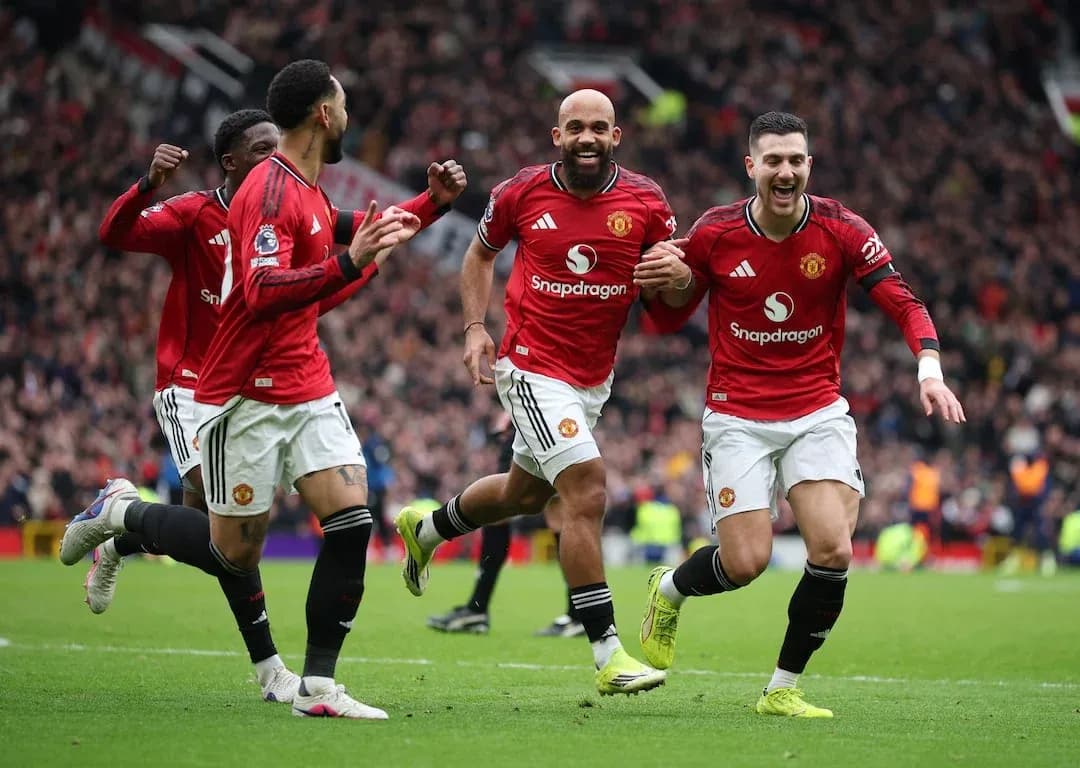
Manchester United come into this weekend in 3rd place on 64 points from 35 games, with 63 goals scored and 48 conceded. They have put together 18 wins and only 7 defeats, and while their goal difference of +15 suggests a side more fluent going forward than watertight at the back, their current position keeps them firmly in the hunt for the Champions League places and a statement finish in England’s top division.
Form & Momentum
Sunderland’s recent Premier League form string reads DLLWW, a run that mixes setbacks with timely recoveries. Back-to-back wins at the end of that sequence show a team capable of responding when under pressure (two victories in their last three), even if the earlier defeats in that run point to a side still searching for consistency against the division’s elite.
Manchester United arrive with WWWLD in their latest form line, a sequence that speaks of momentum (three straight wins followed by a draw and a loss). Scoring 63 league goals overall (63 goals for) underpins their attacking confidence, and even with occasional defensive slips (48 goals conceded) they look like a side more often dictating matches than reacting to them.
Head-to-Head Patterns
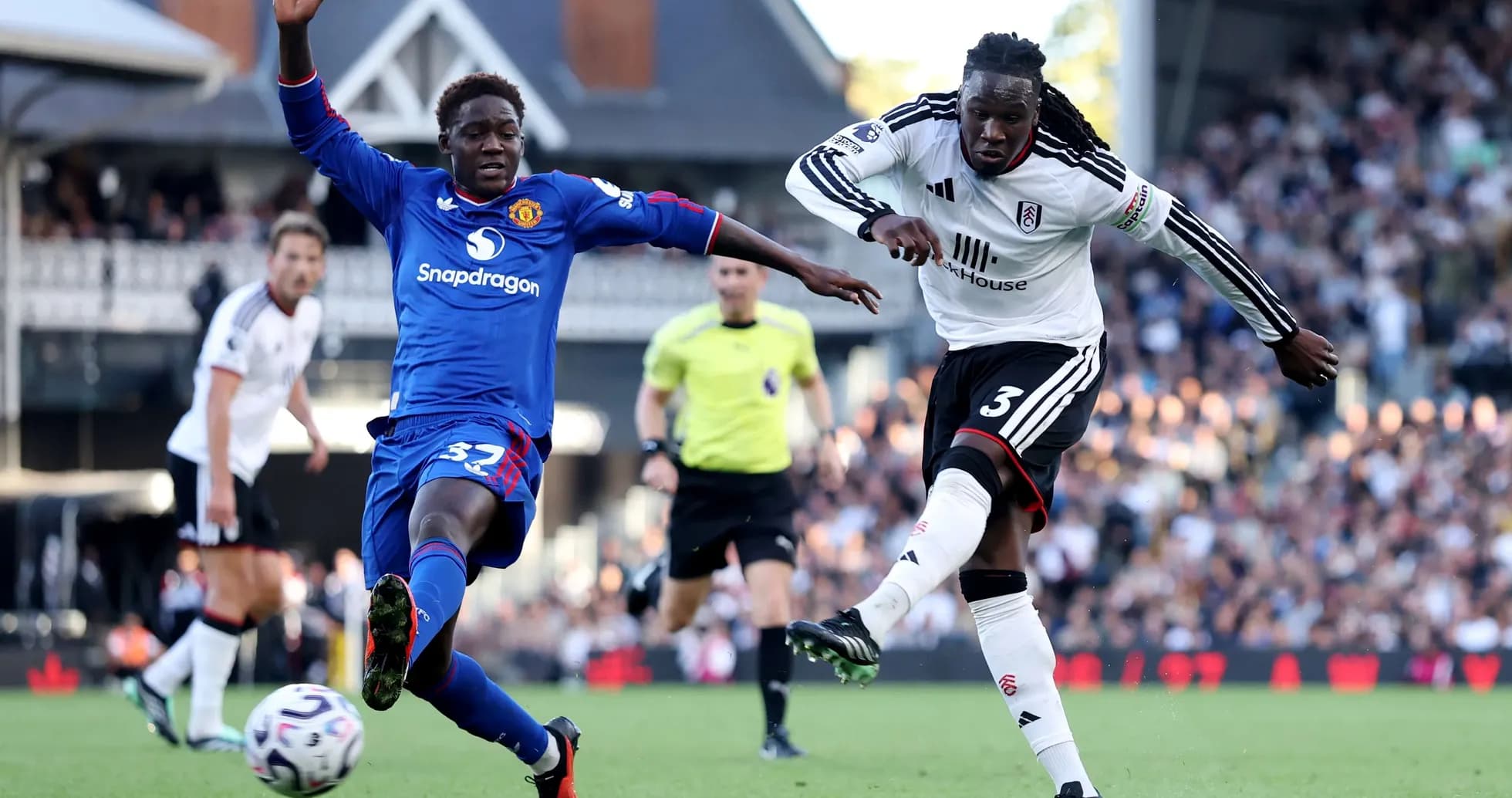
Recent history between these clubs has tilted heavily towards Manchester United, especially at Old Trafford. The most recent meeting finished 2-0 (Premier League, October 2025), a controlled home win that underlined United’s attacking edge and defensive organisation on their own ground.
The last time they met at the Stadium of Light in league action, United again ran out comfortable winners, taking a 3-0 victory (Premier League, April 2017). On that occasion Sunderland struggled to live with the visitors’ cutting edge, a theme that has recurred often in this fixture when United find rhythm in the final third.
Sunderland’s reminder that this rivalry can still spring surprises came with a 2-1 win at the Stadium of Light (Premier League, February 2016). That afternoon showed that, with the crowd behind them and a committed performance, the hosts are capable of unsettling United, especially if they can turn set pieces and physical duels into tangible advantage.
Tactical Preview
At home, Sunderland have been quietly effective, winning 8 of their 17 matches and scoring 23 goals in front of their own fans. Their most used structure is a 4-2-3-1 (18 league games in that shape), which gives them a double pivot to protect a back four while allowing creative midfielders to link with a lone striker. The presence of passers like G. Xhaka, who has produced 6 league assists and completed 1,599 passes at 83% accuracy, suggests Sunderland will try to build through midfield rather than simply go long.
Alongside Xhaka, E. Le Fée offers energy and progression from midfield, with 4 goals and 5 assists plus 44 key passes, indicating a player who can thread balls between the lines and arrive late in the box. Out wide or in advanced roles, younger options from the squad list such as C. Rigg or J. Whittaker provide legs and pressing, while forwards like B. Brobbey and B. Traoré give contrasting profiles: one more of a penalty-box focal point, the other able to run channels and stretch defences. Sunderland’s challenge will be to turn a modest scoring rate of 1.1 goals per game (37 goals in 35) into enough threat to trouble a top-three side, while tightening a defence that has allowed 46 goals.
Defensively, the Black Cats have shown they can shut teams out – 10 clean sheets across the campaign – but their disciplinary record hints at an aggressive edge. T. Hume has collected 9 yellow cards, while Reinildo and D. Ballard have both been sent off once, reinforcing the idea of a back line that defends on the front foot and sometimes walks a fine line. That approach may be necessary against United’s forwards, but any mistimed challenge could be costly.
Manchester United, by contrast, have alternated primarily between a 3-4-2-1 (18 games) and a 4-2-3-1 (17 games). The back-three system allows their wing-backs to push high and flood the final third, while the more traditional 4-2-3-1 gives clearer roles for wide attackers like B. Mbeumo and central forwards such as B. Šeško or Matheus Cunha. With 63 league goals and an average of 1.8 per match, United’s structure is built to get numbers around the box and create frequent shooting opportunities.
In attack, B. Šeško leads their league scoring with 11 goals from 30 appearances, a classic penalty-area presence who also offers aerial threat. Around him, Matheus Cunha has added 9 goals and 2 assists, combining work rate with dribbling (41 successful dribbles) to destabilise defensive lines. B. Mbeumo contributes 9 goals and 3 assists, plus 46 key passes, making him a constant outlet on the flank and a danger both from open play and in transition.
The creative heartbeat, though, is Bruno Fernandes. With 8 goals and a league-leading 19 assists, plus 121 key passes, he is the conduit for almost everything United do in possession. His passing volume (1,826 passes at 82% accuracy) suggests he will see plenty of the ball between Sunderland’s lines, and the hosts will need a clear plan to limit his influence, whether through tight marking from Xhaka or a deeper-lying screen.
Behind them, Casemiro anchors midfield with 9 goals and 2 assists but, crucially, 88 tackles and 27 blocks, embodying United’s willingness to defend aggressively in central areas. At the back, L. Shaw’s 1,609 completed passes at 86% accuracy and 71 tackles highlight his dual role as both defender and first builder of attacks from the left side. United’s away record – 6 wins and 7 draws from 17 – reflects a team that can control games on the road but is not immune to being opened up, having conceded 26 times away from home.
Statistical Snapshot
- Competition: Premier League, season 2025 — 9 May 2026.
- Venue: Stadium of Light, Sunderland.
- Prediction: Win or draw — Double chance : draw or Manchester United.
- Win Probabilities: Home 10% / Draw 45% / Away 45%.
- Model: Sunderland 35.5% — Manchester United 64.5%.
Betting Verdict
The predictive models and market prices broadly agree that Manchester United are justified favourites, with away win odds clustered around 1.90–1.97 and Sunderland trading near 3.70–4.04. United’s superior league position (3rd vs 12th), stronger attack (63 goals vs 37), and recent head-to-head dominance, including the 2-0 win in October 2025 and 3-0 success at the Stadium of Light in April 2017, all support a pro-United angle. Sunderland’s solid home record and flashes of resilience, plus that 2-1 home victory back in February 2016, argue for some caution against an outright away bet. In line with the model’s advice and the relatively generous draw probability, the most balanced stance is the “Double chance: draw or Manchester United”, using the away side’s attacking quality and current momentum while respecting the possibility that Sunderland, backed by the Stadium of Light crowd, can fight their way to a point.