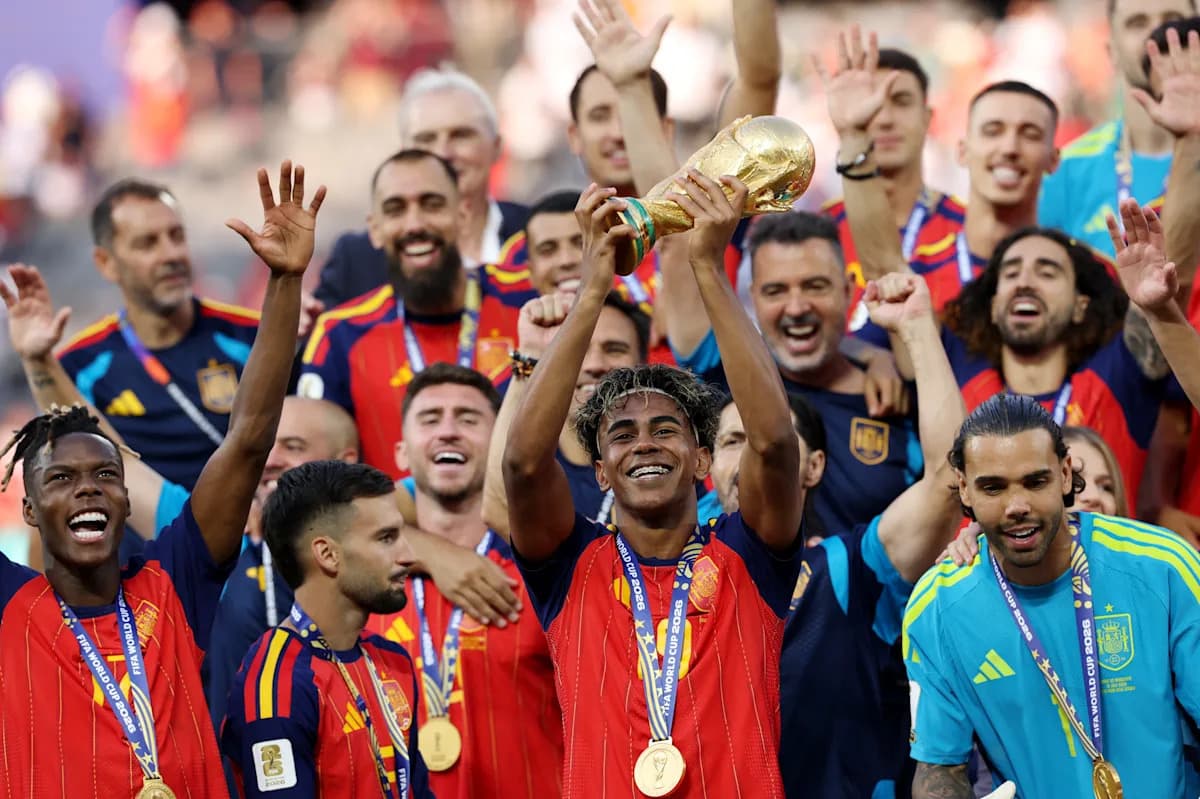
Spain Secures World Cup Victory After Years of Preparation
Spain’s triumph in the World Cup confirmed what their soccer had long suggested: they were the best. After years of careful team-building, Spain finally lifted the trophy.
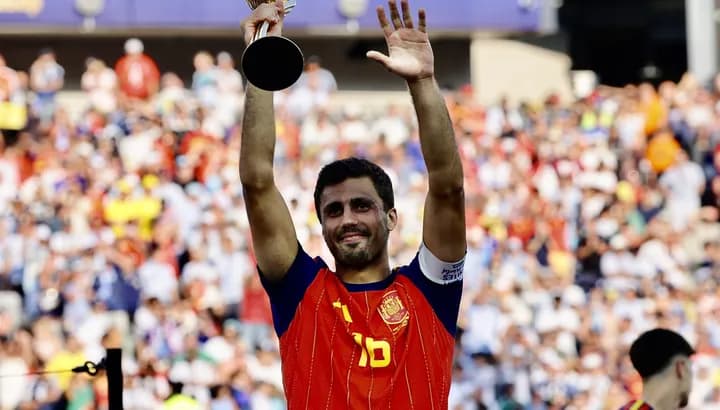
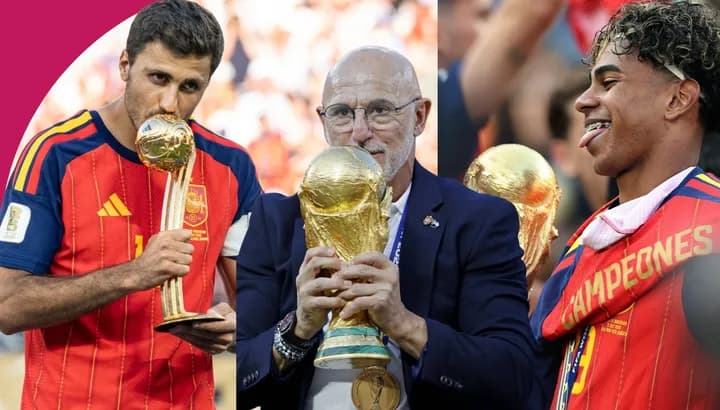
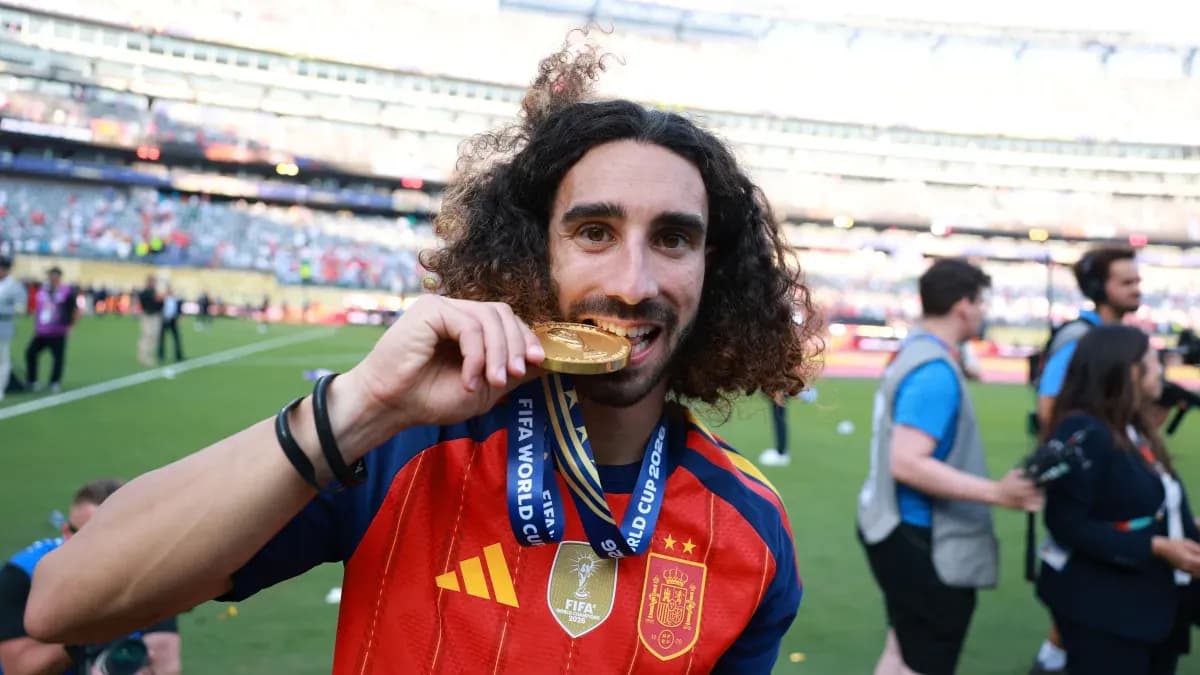
The final at MetLife Stadium offered a vivid contrast. Lionel Messi, tears streaming down, stood with his Argentine teammates and fans who kept chanting despite the heartbreak. Meanwhile, Spanish players smiled widely as they received medals and gathered to celebrate with captain Rodri, who earned the Golden Ball.
Spain outplayed Argentina, but it took a late goal by Ferran Torres in the 106th minute of extra time to secure a 1-0 victory over the defending champions. The match was intense and exhausting for everyone involved, stretching across 120 minutes of battle between two great teams.
How Spain Dominated
This generation of Spanish players made history by conceding only one goal in eight matches totaling over 750 minutes. They controlled possession so thoroughly it seemed like no other team was on the pitch. Their disciplined defense turned Messi’s usually unstoppable attack into something manageable.
After Argentina lost a player late in regular time, Spain’s only real risk was a penalty shootout, which they avoided by scoring early in the second half of extra time. Two nervous moments followed, but Spain held firm.
This second World Cup win echoed the 2010 final, when Andrés Iniesta scored in extra time against a 10-man Netherlands side. Iniesta was present at this match with his family.
Torres’ Decisive Goal
Ferran Torres, one of eight Barcelona players on Spain’s squad, became only the second substitute to net a winning goal in a World Cup final. Germany’s Mario Götze did it first in 2014, also against Argentina.
“I just saw the ball coming to me and shot with the power of all the Spanish people,” said the 26-year-old midfielder.
The crowd and viewers worldwide had been waiting for that breakthrough, hoping to avoid the tension of a penalty shootout.
Argentina’s Resilience and Spain’s Discipline
Argentina’s coach, Lionel Scaloni, believed his team could win even without taking the lead, citing their resilience through past knockout games. They’d outlasted Cape Verde, Switzerland, Egypt, and England in tough matches.
But Spain’s discipline made the difference. Despite dominating possession, Spain struggled to find the net earlier, with Argentina’s goalkeeper Emi Martínez setting a World Cup final record with 11 saves, although few were difficult.
Before extra time, Spain’s coach Luis de la Fuente reminded his players to stay focused and not concede a goal. His team responded perfectly.
Remarkably, Argentina never managed a shot on goal in extra time, despite their powerful offense that had scored 19 goals in seven matches.
Spain’s Unbeaten Streak and Future
The victory extended Spain’s unbeaten run to 38 games. This streak includes triumphs in the 2023 Nations League, 2024 European Championship, and a runner-up finish in the 2025 Nations League after a shootout loss. Spain’s under-23 team also claimed Olympic gold in 2024.
Spain now claims supremacy in both men’s and women’s soccer, with the women’s team winning their first World Cup in 2023.
Luis de la Fuente said, “We have grown together. We reached this stage thanks to the players’ talents, attitude, commitment, values, and huge talent. This team has a long way to go, so we are already thinking about what is coming next.”
The future looks bright. Spain started two teenagers, winger Lamine Yamal and center back Pau Cubarsí, the latter named the tournament’s best young player.
Unai Simón, 29, earned the Golden Glove as the tournament’s best goalkeeper, though he faced little action. Rodri, 30, orchestrated the team’s play and deservedly received the Golden Ball as the MVP.
Argentina's Pride Despite Defeat
Though disappointed, Argentina showed pride in returning to the final.
Lionel Scaloni stated, “We feel extremely grateful to all our fans, those who gave us energy when we needed it most. In the end, Spain deserved the victory. That’s reality. We need to accept it. But we were close.”