South Korea's Struggles After Loss to South Africa
The South African songs drifted down the concrete corridor in Monterrey, loud, off-key and utterly joyous. As they spilled past the mixed zone, dancing and laughing after a 1-0 win, the contrast with their opponents could hardly have been starker.
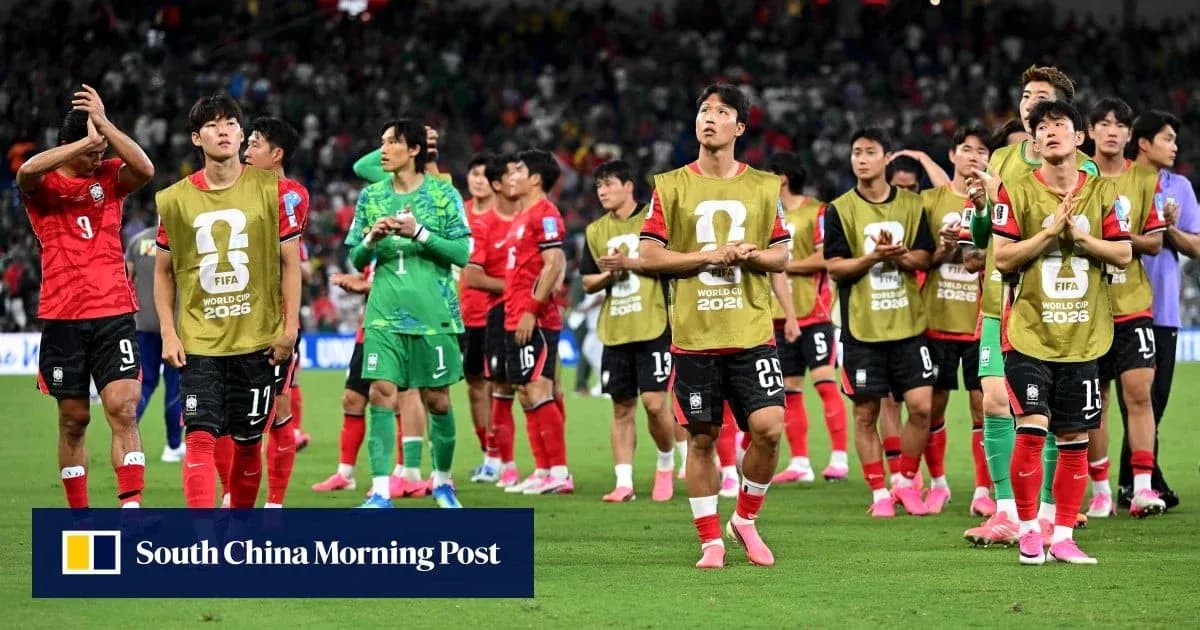
South Korea’s players moved in the opposite direction: slow, hollow-eyed, answering questions with the flat tones of a team that knew it had let something important slip away. The hurt was raw enough that even a minor collision became a flashpoint.
Brushed by a member of the South African staff, Hwang In-beom snapped. The midfielder spun, bristling, and barked at the unwitting staffer to “show some f****** respect”. For a brief second, tempers flared and it looked as if the tunnel might host the fight his team had failed to show on the pitch.
Then it fizzled out. Just like South Korea’s performance.
They had been timid when they needed to be ruthless, passive when the game demanded edge. All the aggression that surfaced in the bowels of the stadium had been conspicuously absent during the 90 minutes that mattered.
The captain was nowhere to be seen at first. Chosen for doping control, Son Heung-min did not emerge for more than two hours, long after the South African party had moved on and the stadium had fallen quiet. When he finally appeared in front of his country’s reporters, the questions were waiting for him.
Was there a problem inside the camp? Were the flat displays a symptom of something deeper?
Son pushed that narrative away. “There’s no problem with the vibe in our dressing room,” he said, insisting that the group remained united. “I can honestly tell you that we’ve had zero issues with our team atmosphere.”
His words drew a clear line: this was not, he maintained, a fractured squad imploding from within. This was something else — a team searching for intensity, clarity, perhaps just a spark, at the worst possible time.
Yet the table tells its own story. Three group matches, three points, a negative goal difference. In most World Cups, that combination sends you straight to the airport.
Not this one.
In this swollen, expanded tournament, South Korea still stand on the brink of the knockout rounds. They have stumbled, not strode, through their group, and still the door has not fully closed. It is an indictment of the format that such mediocrity might be enough.
If they do squeeze through, they will carry with them a paradox: a team publicly adamant that its spirit is intact, yet forced to answer questions about fight and identity after being outplayed and out-sung on a night that demanded so much more.
The songs from South Africa have already faded. The echoes of this performance, and the doubts it has stirred, will linger far longer.