Slovan Bratislava vs Saburtalo: UEFA Champions League Qualifying Showdown
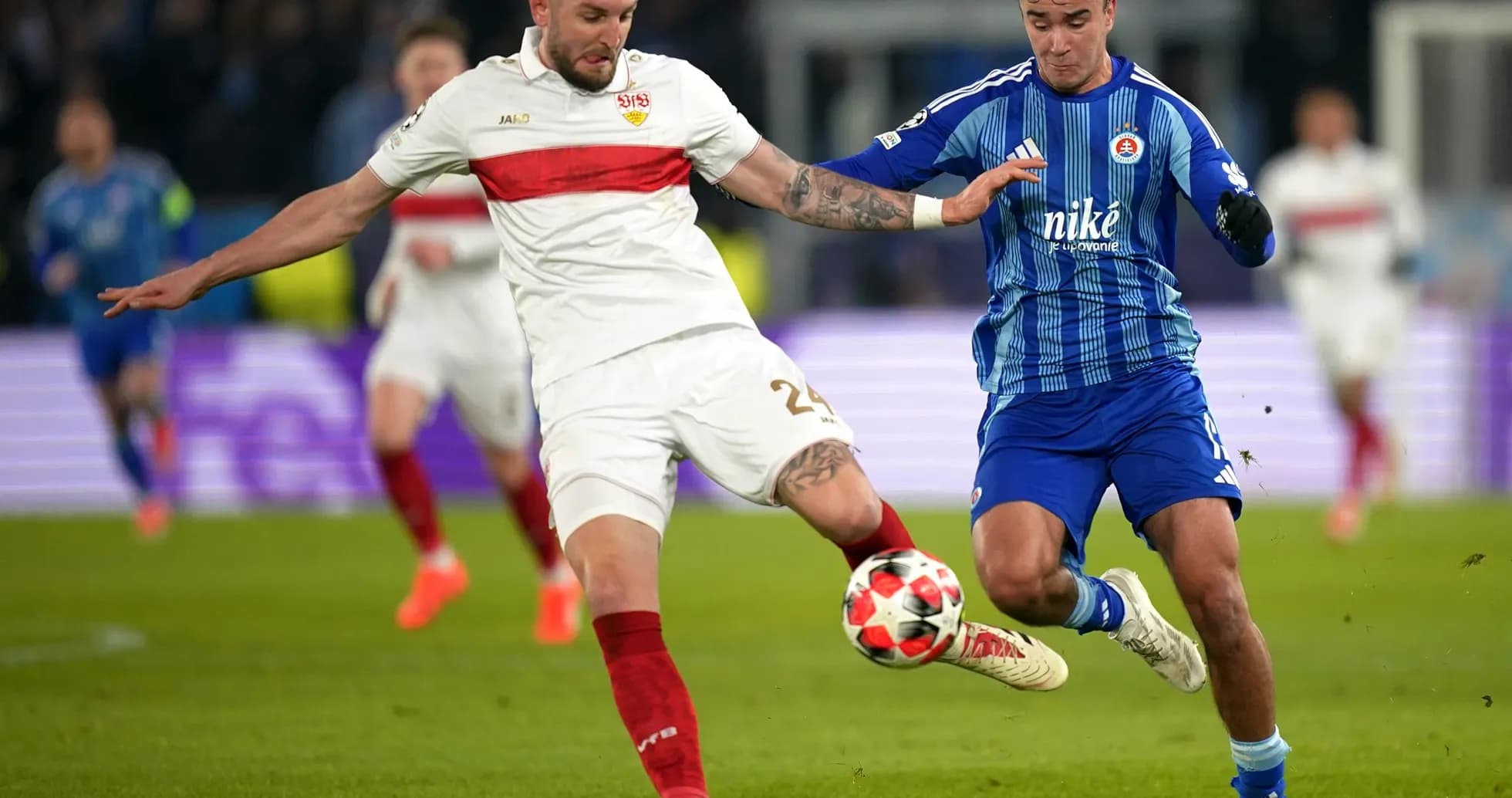
In Bratislava, Slovan Bratislava host Saburtalo in the second leg of the UEFA Champions League 2nd Qualifying Round, with progression to the next stage on the line after Slovan’s 2–0 away win in Tbilisi. The seasonal weight is clear: Slovan are protecting a strong advantage to stay on the Champions path, while Saburtalo need a high‑risk comeback to keep their continental campaign alive.
Head-to-Head Tactical Summary
The only previous meeting between these sides came on 21 July 2026 at Mikheil Meskhi Stadium in Tbilisi in this same qualifying round. Saburtalo, playing at home, lost 0–2 to Slovan Bratislava. Slovan led 2–0 at half-time and maintained that scoreline to full time, underlining their ability to control the game early and then manage it efficiently.
Global Season Picture
- League Phase Performance: There is no group or league table data available yet for either Slovan Bratislava or Saburtalo in the 2026 UEFA Champions League qualifiers, so goals for, goals against, and points in the standings cannot be quantified from the current snapshot.
- Season Metrics: In the league phase, Slovan Bratislava have played 1 match so far, away from home, winning it 2–0. They average 2.0 goals scored and 0.0 conceded per match, with 1 clean sheet from 1 game and no failures to score. Their early profile is efficient and controlled, helped by a settled 3‑5‑2 used in that outing, though possession data is not available to refine the picture. Saburtalo have played 3 matches (2 at home, 1 away), with 1 win, 1 draw and 1 loss. They have scored 5 goals (1.7 per match) and conceded 6 (2.0 per match), with no clean sheets and 1 game without scoring. Their typical 4‑3‑3 setup has produced more open, high‑event matches, but the defensive record (6 conceded in 3) shows structural vulnerability. Card data suggests Slovan’s only match involved 3 yellow cards, spread mainly between minutes 61–75, while Saburtalo’s 3 games have seen a steady trickle of yellow cards across both halves, pointing to potential discipline and game‑management issues under pressure.
- Form Trajectory: Slovan Bratislava’s form string is a single “W”, reflecting a perfect but very small sample: one convincing away win with a clean sheet. Saburtalo’s “WDL” sequence indicates an initial win, followed by a draw and then a loss, a trajectory that trends from positive to negative as the level of opposition and stakes have risen. Heading into this second leg, Slovan’s curve is upward and stable, while Saburtalo arrive on the back of a setback in the first leg and a pattern of conceding regularly.
Tactical Efficiency
Across the early phase of this qualifying campaign, Slovan Bratislava’s efficiency is built on defensive solidity and control in key moments. They have yet to concede in their single match, combining a back three with a five‑man midfield to compress space and limit chances, while still producing 2 goals away from home. The lack of clean sheets for Saburtalo across 3 matches, coupled with 2.0 goals conceded per game, signals that their 4‑3‑3, while capable of generating 1.7 goals per match, leaves gaps that better‑organised opponents can exploit. Without detailed possession or chance‑creation figures, the clearest tactical contrast is resilience: Slovan convert pressure into goals and then shut games down, whereas Saburtalo’s attacking intent is offset by defensive leakage and the inability to protect leads or stay compact after setbacks.
The Verdict: Seasonal Impact
This second leg is season‑defining for both clubs. For Slovan Bratislava, successfully defending a 2–0 aggregate lead at home would confirm them as a disciplined, knockout‑ready side and move them one step closer to the lucrative later qualifying rounds, strengthening their European profile and financial base for the rest of 2026. A collapse, by contrast, would turn an otherwise flawless start into a major missed opportunity. For Saburtalo, the tie demands an aggressive, front‑foot approach that risks further exposing their defensive issues but is the only route to overturning the deficit. Failing to progress would likely confine their European involvement to this early window, limiting both revenue and competitive growth. In strategic terms, the result will either validate Slovan’s compact, efficient model as a platform for a deeper run, or mark Saburtalo’s high‑variance style as insufficiently robust for Champions League qualifying pressure.