Slovan Bratislava vs Celje: UEFA Champions League Play-Off Preview
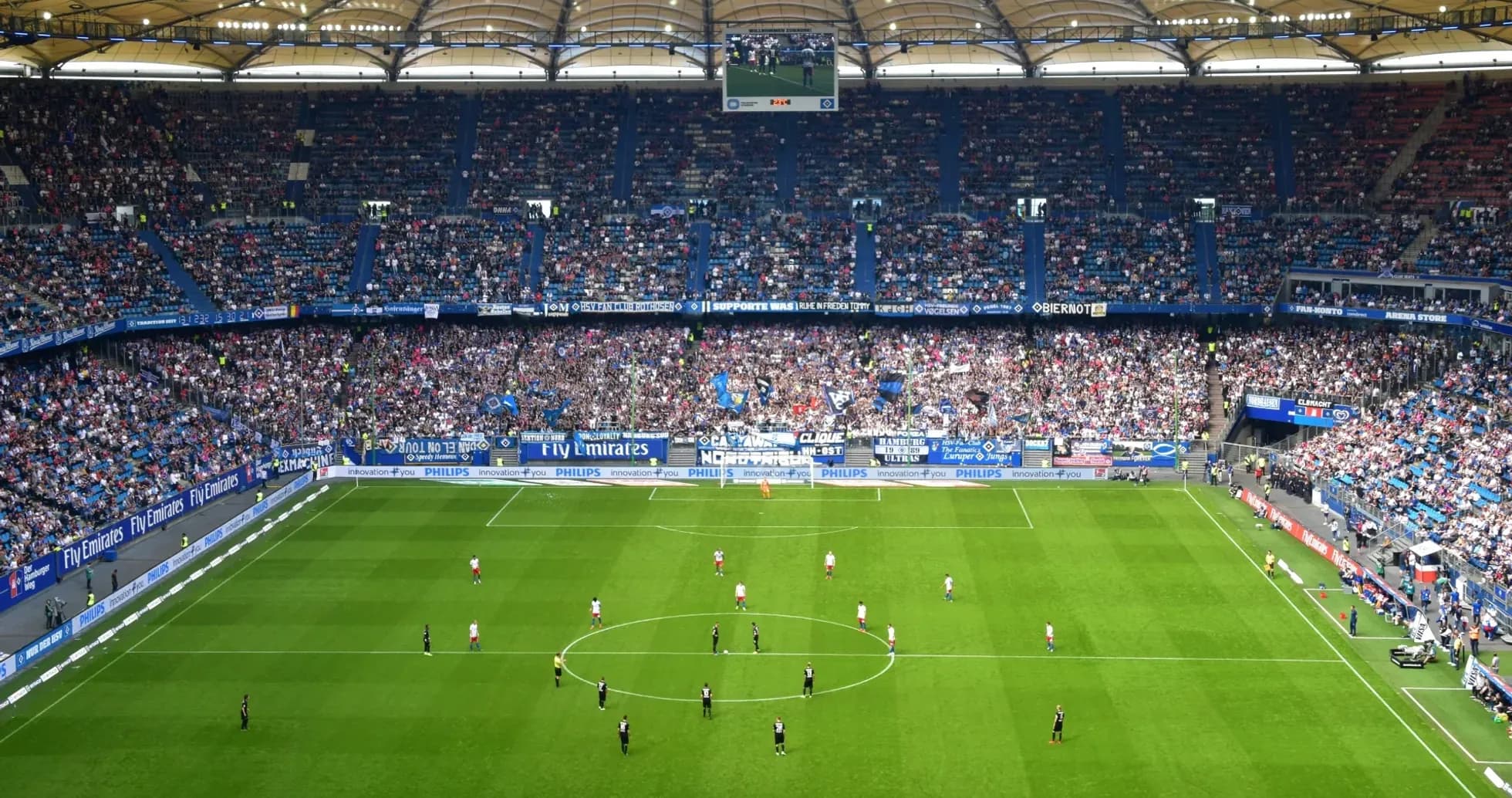
On 19 August 2026 in Bratislava, the floodlights will again frame a European night as Slovan Bratislava welcome Celje in a UEFA Champions League play-off tie that could define their year. The venue name is not confirmed, but the capital’s stage will feel familiar to the hosts after their emphatic win over the Slovenians in 2024. For Slovan Bratislava, a place in the group stage would be both sporting prestige and major financial oxygen. For Celje, it is a chance to rewrite a painful chapter and prove they belong among the continent’s elite qualifiers.
Season Context
With no official standings table provided for this phase of the UEFA Champions League, the picture is drawn from early qualifying performance. Slovan Bratislava have made a controlled start, unbeaten across 4 matches with 3 wins and 1 draw, scoring 7 and conceding only 2. That blend of efficiency at both ends underpins their push towards the group stage.
Celje arrive with a more volatile profile: 4 matches, 2 wins, 1 draw and 1 defeat, but 9 goals scored and 7 conceded. They carry more attacking punch on raw numbers, yet their defensive record is clearly looser, a balance that makes them dangerous but vulnerable at this level.
Form & Momentum
Slovan Bratislava’s recent run in this Champions League campaign is strong, encapsulated by the form line “WDWW”. They are unbeaten in 4 qualifiers, with their 7 goals across those games reflecting a steady attacking rhythm (1.8 per match) and their 2 goals conceded showing a solid defensive platform (0.5 per match). That combination justifies describing them as well-balanced rather than spectacular, but in knockout-style ties, control often matters more than fireworks.
Celje’s “DWLW” tells a more erratic story. They have shown they can explode in attack, with 9 goals in 4 games (2.3 per match), backed by a very high attacking index in the comparison model (90 for attack). Yet they have also leaked 7 goals (1.8 per match), and their defensive index sits far lower (30), underlining how open their matches tend to be. Momentum is positive but fragile: they have enough about them to trouble Slovan Bratislava, but they also leave doors open.
Head-to-Head Patterns
The recent history between these sides is short but vivid, and it leans clearly towards Slovan Bratislava. On 30 July 2024, Slovan Bratislava dismantled Celje 5-0 in the UEFA Champions League 2nd Qualifying Round (season 2024, July 2024) at Štadión Tehelné pole in Bratislava. That night showcased the Slovak champions’ ability to overwhelm Celje once they seized control.
Just six days earlier, on 24 July 2024, the first leg in the same UEFA Champions League 2nd Qualifying Round (season 2024, July 2024) at Stadion Z’dežele in Celje had finished 1-1, with the Slovenians more competitive on home soil. Across the predictive comparison model, Slovan Bratislava hold a clear head-to-head edge (h2h index 80 versus 20), reinforcing the impression that they have generally had the upper hand when it matters.
Tactical Preview
Slovan Bratislava have shown tactical flexibility in this campaign, but with a clear base identity. Their most used setup is a 4-3-3 (2 matches), with occasional switches to 3-5-2 and 4-1-4-1. That suggests a side comfortable building from a back four, using width and a three-man midfield to control tempo. The numbers back up a measured, structured approach: 7 goals scored and only 2 conceded in 4 matches, plus 2 clean sheets, point to a team that manages games well and rarely loses shape.
With players like T. Barseghyan and A. Šporar in the squad, Slovan Bratislava can mix direct running from wide areas with penalty-box presence. Their yellow-card distribution hints at competitive intensity throughout matches, but the absence of red cards so far underlines discipline. Expect them to press selectively rather than recklessly, using their strong defensive comparison index (78 versus Celje’s 22) to squeeze Celje into uncomfortable areas without leaving huge gaps behind.
Celje, meanwhile, are also comfortable in a 4-3-3 (2 matches), but their alternative shapes — 4-4-2 and 3-4-3 — reveal a coach willing to tilt the balance towards attack. Their 9 goals in 4 games and a high attacking comparison index (56 versus Slovan Bratislava’s 44) show they can create and convert chances, often through quick transitions and wide overloads. Penalty reliability (2 scored from 2) adds another layer of threat when they reach the box.
The problem for Celje lies in defensive exposure. Conceding 7 goals in 4 matches and holding a much weaker defensive index means their back line can be stretched, especially away from home where they have already shipped 5 goals. Against Slovan Bratislava’s structured 4-3-3 and familiarity with these European nights, Celje will likely need to balance their attacking ambition with a more compact block, perhaps leaning on experienced figures like David Castro and L. Koutris to marshal the defensive line.
Statistical Snapshot
- Competition: UEFA Champions League, season 2026 — 19 August 2026.
- Venue: Unknown, Bratislava.
- Prediction: Win or draw — Double chance : Slovan Bratislava or draw.
- Win Probabilities: Home 45% / Draw 45% / Away 10%.
- Model: Slovan Bratislava 69.8 — Celje 30.2.
Betting Verdict
The prediction model leans strongly towards Slovan Bratislava avoiding defeat, recommending a “Double chance : Slovan Bratislava or draw” on the back of their unbeaten run (“WDWW”) and superior defensive metrics (2 goals conceded in 4 games, plus a defensive index of 78). The head-to-head pattern, especially the 5-0 home win in July 2024, reinforces the sense that the Slovak side match up well against Celje’s open style. Bookmaker odds price the home win between roughly 1.63 and 1.80, implying an unadjusted probability band of around 56% to 61%, while the away win sits between roughly 4.00 and 4.53 (about 22% to 25%). Given Celje’s attacking threat but shaky defence, the safer value lies in backing Slovan Bratislava on the double chance, aligning both with the statistical model (69.8 versus 30.2) and the recent head-to-head evidence.