
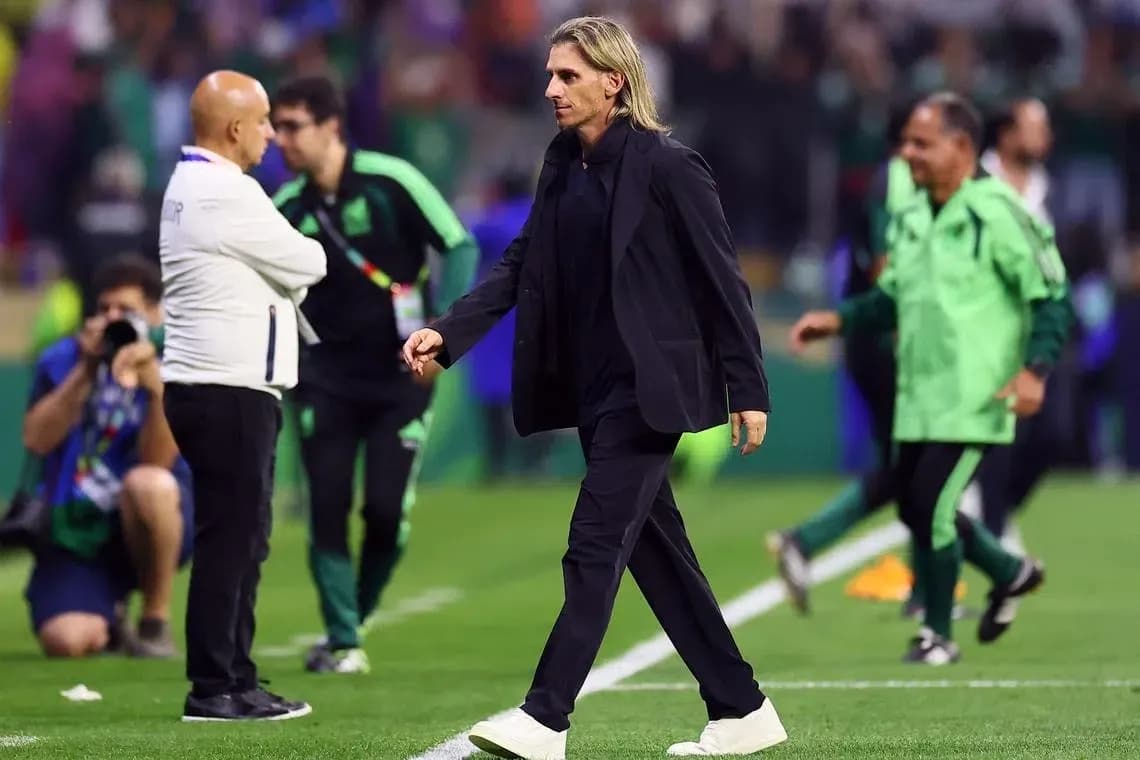
Sebastian Beccacece Says Goodbye After Ecuador's World Cup Exit
Sebastian Beccacece walked into the bowels of the Azteca knowing how this would end. A 2-0 defeat to Mexico in the World Cup round of 32 had closed the door on Ecuador’s campaign. It also closed the book on his time in charge.
He did not try to dress it up.
“Our contract ended with the World Cup. I don't think we were able to achieve the feat we promised: to make this the best World Cup ever. Today it's my turn to say goodbye,” he said, the roar from the stands still echoing through the concrete.
Ecuador had arrived in Mexico City riding a wave. A dramatic comeback win over Germany had given the youngest squad in the country’s history a surge of belief and a sense that something special might be building. That energy lasted only until the whistle blew.
Mexico flew out of the blocks and never let go. Their fast start ripped away Ecuador’s composure, their flawless defensive record squeezing the life out of any attempted response. Beccacece did not sugar-coat the imbalance.
“We were outplayed in the first half,” he admitted.
The match followed a cruel pattern. Ecuador spent 45 minutes chasing shadows, then another 45 chasing a lifeline. After the interval, they finally found some rhythm. Passes stuck, the ball stayed in Mexican territory longer, and possession tilted in yellow shirts’ favour. The noise from the Azteca dipped, if only slightly, as Ecuador pushed for a goal to turn anxiety into opportunity.
They never found it.
“We fought back, but we couldn't find the goal that would have given us a boost,” Beccacece said, summing up a second half defined by effort without reward.
For all the tactical analysis that will follow, the Argentine’s departure turned the night into something more personal. This was not a coach clinging on or angling for sympathy. It was a man who believed he had broken a promise to a country that had embraced him.
“That's why I have to leave,” he said. “I would have liked to continue because what I received from the players and the management warranted the possibility of continuing. But I understand how this works and it hurts, but I think the decision was clear.”
He chose not to speak about his own legacy. When the question came, he moved it straight back to the dressing room.
“The legacy is from the players, because they have been the youngest team of Ecuador,” he said.
It was consistent with his tenure. The focus, always, on the group. The message, even in defeat, about what might come next for them rather than for him.
“I have no complaints, only gratitude to the people and the players,” he added. “I received so much gratitude and affection from the bottom of my heart. The boys gave me two beautiful hours after the match and that's what we're left with.”
In the end, that was his final image as Ecuador coach: not the goals conceded, not the missed chances, but a young squad gathered around their departing manager in the bowels of a deafening Azteca, sharing those last two hours and wondering how far this group can go without him.



