Australia’s Political Tensions Amid China’s Missile Tests
Australia’s strategic and political anxieties collided on Monday, July 6, in a day that swung from missile tests in the Pacific to culture-war skirmishes at home.
At the centre of it all: China, defence treaties, and a domestic debate over who gets to define modern Australia.
China’s missile move rattles Canberra
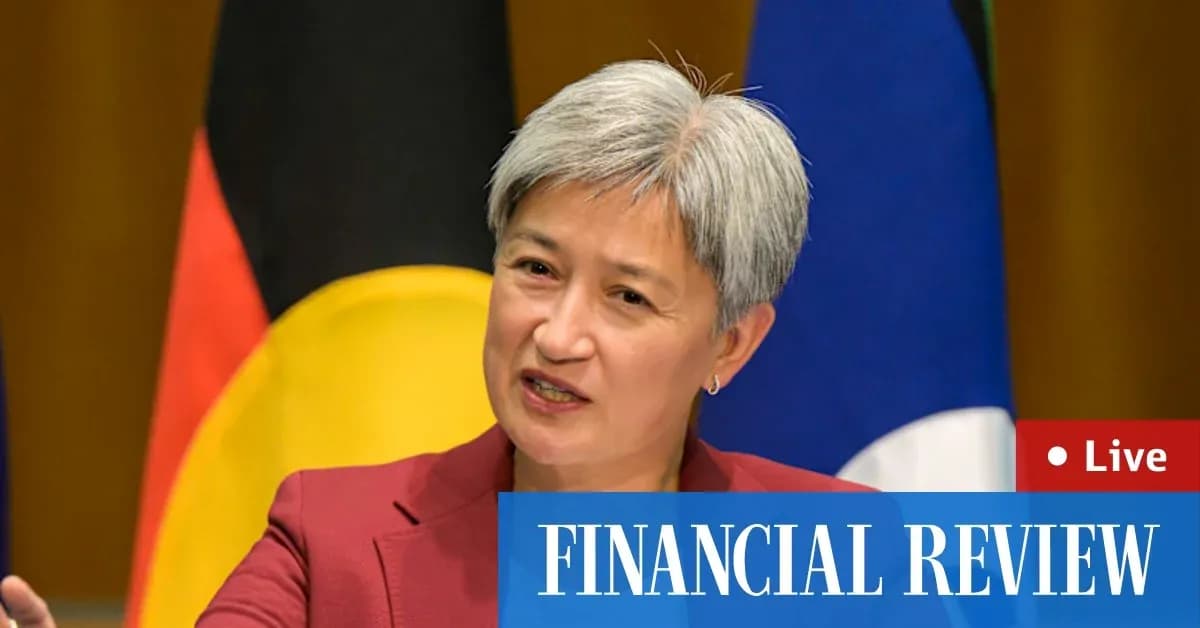
Foreign Minister Penny Wong confirmed that Beijing has notified Canberra of plans for a sea-based missile test into the Pacific, a move that immediately sharpened regional tensions.
Wong didn’t mince words. She rebuked China for destabilising the region, underlining long‑held concerns in Canberra that military activity in the Pacific is edging beyond routine signalling and into something more ominous. The Pacific, already a crowded chessboard of influence, now faces another test of resolve and diplomacy.
For Australia, the message is clear: the strategic contest on its doorstep is not slowing down.
Albanese locks in new defence pact with Fiji
Against that backdrop, Prime Minister Anthony Albanese signed a new mutual defence treaty with Fiji, a deal designed to tighten security ties and send a signal about who Australia stands with in the region.
The agreement lifts the relationship to a status close to Australia’s mutual defence pact with Papua New Guinea. That’s not just diplomatic language. It marks Fiji as a near-frontline partner in Australia’s push to cement a network of trusted allies across the Pacific as China’s presence grows.
Security cooperation, joint planning, and a shared commitment to regional stability now sit at the heart of Canberra–Suva relations. On a day when missile tests loomed over Pacific waters, the timing carried its own weight.
A podcast game and a prime minister’s apology
Back home, Albanese was forced onto the defensive for a very different reason.
The prime minister apologised for comments he made during a light-hearted “shag, marry, or date” game on a podcast, after remarks involving Kylie Minogue drew criticism. What might have been dismissed as off‑the‑cuff banter instead turned into a question of judgment.
One Nation MP Barnaby Joyce said the comments were “a little bit below him”, a pointed reminder that even the most informal media appearances can quickly become political ammunition. In a tight media cycle, a few careless words can overshadow carefully crafted policy announcements.
Awer Mabil hits back at Hanson’s monoculture call
The culture wars flared again through football.
Socceroo Awer Mabil publicly criticised Pauline Hanson’s call for Australia to be a monocultural society, rejecting her remarks about the Socceroos and insisting they did not distract the team during their World Cup campaign.
Mabil’s intervention cut to the heart of the national debate over identity. The Socceroos have long been held up as a symbol of multicultural Australia; Hanson’s comments challenged that image, and Mabil pushed back, defending both the team and the broader idea of a diverse nation representing itself on the world stage.
For a side used to handling pressure on the pitch, this was a reminder that the jersey carries political weight as well as sporting expectation.
Hanson, Farage and a shared playbook
Barnaby Joyce also flagged that One Nation leader Pauline Hanson will meet Reform UK leader Nigel Farage on the sidelines of a conservative political action conference.
The two figures, both lightning rods in their respective countries, are set to “compare notes” on strategy. It’s an alignment that underscores how Australia’s populist right is looking abroad for ideas, tactics and momentum. From migration to culture issues, the cross‑pollination of messages between London and Canberra is only likely to deepen.
AI, unions and the next political fault line
While the headlines tilted towards defence and identity, another front opened in the battle over Australia’s economic future.
Deputy Liberal leader Jane Hume warned that Labor’s draft policy platform for 2026 would hand unions a veto over the regulation of artificial intelligence. Her criticism framed the issue as a contest between innovation and control, casting Labor as too willing to empower organised labour at the expense of tech flexibility and business freedom.
AI is no longer just a buzzword in policy circles; it’s fast becoming a defining economic and ideological battleground. Who sets the rules – government, unions, or the market – will shape how Australia competes in the next decade.
From missiles in the Pacific to algorithms in the workplace, Australia’s leaders are being forced to decide what kind of country they want to build, and who they want standing beside them when the pressure rises.