
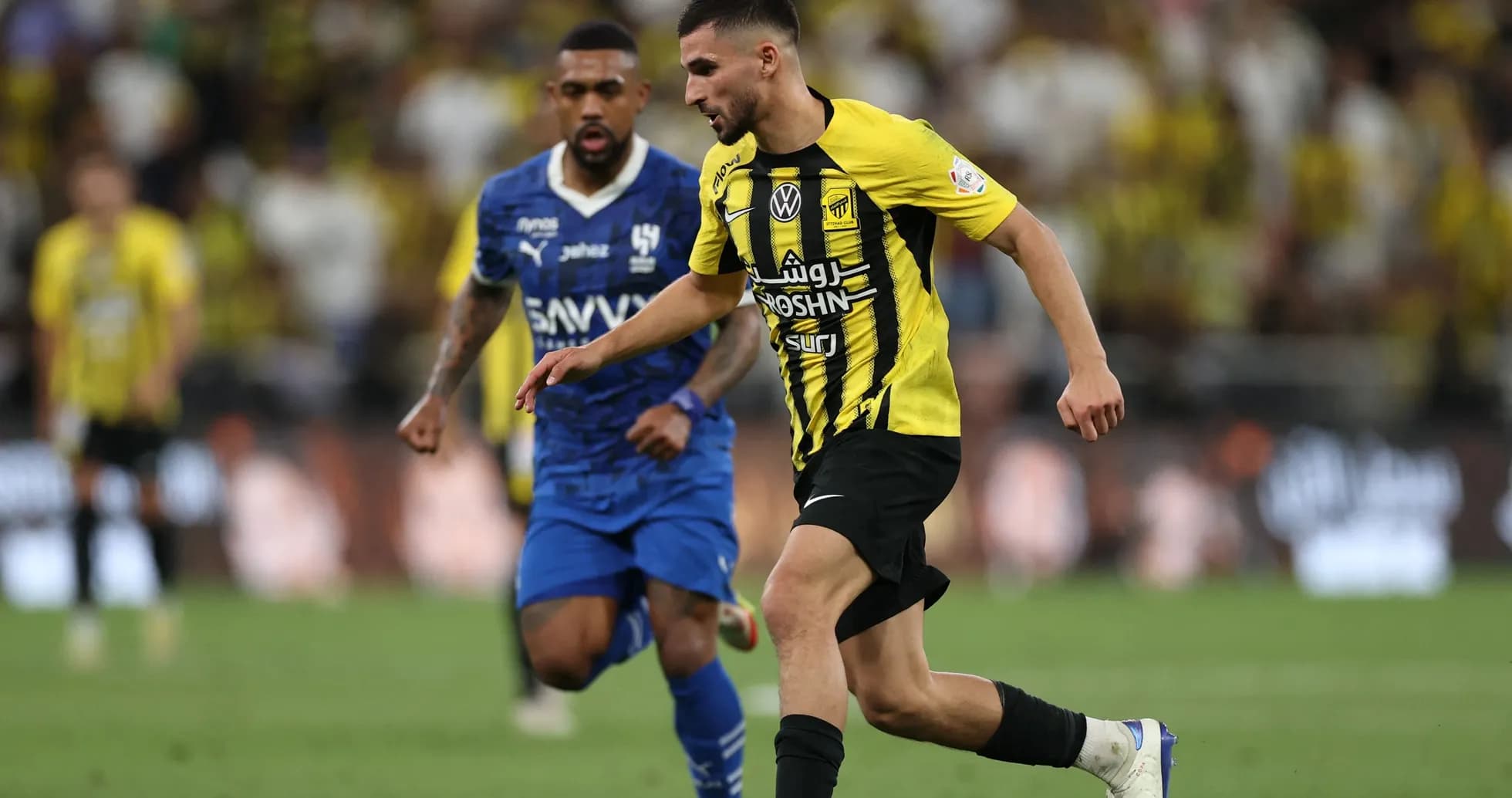
Saudi Arabia's Midfield Revolution: Impact on Al-Nassr, Al-Ahli, Al-Ittihad, and Al-Hilal
In a league obsessed with marquee forwards and headline-making wingers, the real revolution this summer has taken place a few yards deeper. Saudi Arabia’s giants have ripped out the engines of their teams and started again, gambling that new midfields will redraw the balance of power.
All except one.
Life After Brozovic at Al-Nassr
For the first time since 2023, Al-Nassr walk into a new season without Marcelo Brozovic, and that absence will be felt in every phase of their play. The Croatia international wasn’t just another foreign star; he was the pivot around which Al-Nassr built their attacks, the first brain in possession, the safety valve when pressure mounted.
Now he’s gone, and the question hangs over the club: who carries that weight?
Samu Costa is the man chosen to step into the void. He arrives as the presumed anchor of a reshaped midfield, with Abdullah Al-Khaibari and Angelo expected to work either side of him. The idea is clear: a trio that can protect the back line, circulate the ball, and still offer enough thrust to connect with the forwards.
On paper, it gives Al-Nassr more balance between defensive graft and attacking support. On the pitch, it asks a lot. Brozovic dictated tempo, dropped between centre-backs, and stitched together phases of play with the calm of a veteran who had seen every possible scenario. Costa and his new partners must share that responsibility, not just replace his name on the teamsheet.
Can a rebuilt unit replicate years of understanding in a few weeks of pre-season? That’s the gamble.
Al-Ahli Rip It Up and Start Again
Al-Ahli have gone just as bold. Franck Kessié, a constant presence since 2023 and one of the pillars of their recent projects, has moved on. His departure doesn’t just remove a powerful, box-to-box presence; it forces the club to rethink what their midfield is supposed to be.
They are not simply swapping Kessié for another like-for-like profile. They are redrawing the map.
Eduard Spertsyan arrives to bring creativity and control, while Valentin Atangana offers energy and presence alongside him. The club is still working to add another midfielder, a final piece in a unit that will look almost unrecognisable next season.
This is about more than personnel. The new coaching staff want different roles, different zones of influence, a different rhythm to their build-up. Al-Ahli’s ambitions stretch beyond domestic comfort; they want a midfield that can handle the demands of the league and the intensity of continental competition.
That means risk. Tear up a settled structure and you gain flexibility, but you lose the automatic movements that win tight games. Al-Ahli are betting that a modernised, more tailored midfield will pay off when the season hits its decisive months.
Al-Ittihad Close the Fabinho Chapter
If there is a symbol of this summer’s shift, it might be Al-Ittihad ending the Fabinho era. The Brazilian, another 2023 arrival, brought pedigree and authority in front of the defence. His departure marks the end of one tactical blueprint and the start of another.
In his place comes Dion Lopy from Almeria, a Senegalese midfielder whose arrival gives Al-Ittihad’s core a distinctly African flavour. He joins Malian Mohamed Doumbia and Algerian Houssem Aouar, a trio built on a blend of physical power, ball-winning aggression and technical quality.
Suddenly, Al-Ittihad’s midfield has a new identity. Lopy can cover ground and break up play, Doumbia adds steel and presence, Aouar offers craft and passing range between the lines. The club hopes this mix delivers the balance they sometimes lacked, turning a previously rigid structure into a more dynamic, adaptable unit.
Fabinho’s exit closes an important chapter. Lopy’s arrival opens a new tactical phase, one that could either elevate Al-Ittihad into a more complete side or leave them searching for cohesion while the season races away.
Amid the Upheaval, Al-Hilal Stand Firm
While rivals tear down and rebuild, Al-Hilal have chosen a different weapon: continuity.
Ruben Neves, Sergej Savic, Mohamed Kanno and Nasser Al-Dawsari remain the spine of a midfield that already knows its patterns, its distances, its decisions under pressure. It is a core packed with experience and shared minutes, a luxury their competitors no longer enjoy.
That stability matters. Al-Hilal do not need to spend the opening weeks of the campaign experimenting with combinations or learning new partnerships. Their midfield is already bedded in, already trusted. They can start fast while others are still searching for their best shape.
In a season where a storm of change has swept through almost every major contender, Al-Hilal’s refusal to join the chaos might be the sharpest move of all. When the title race tightens and margins shrink, will the clubs who gambled on reinvention be rewarded, or will the one side that kept its core intact pull away while the rest are still adjusting?



