Santos Laguna vs Tigres UANL: Tactical Analysis of a Stalemate
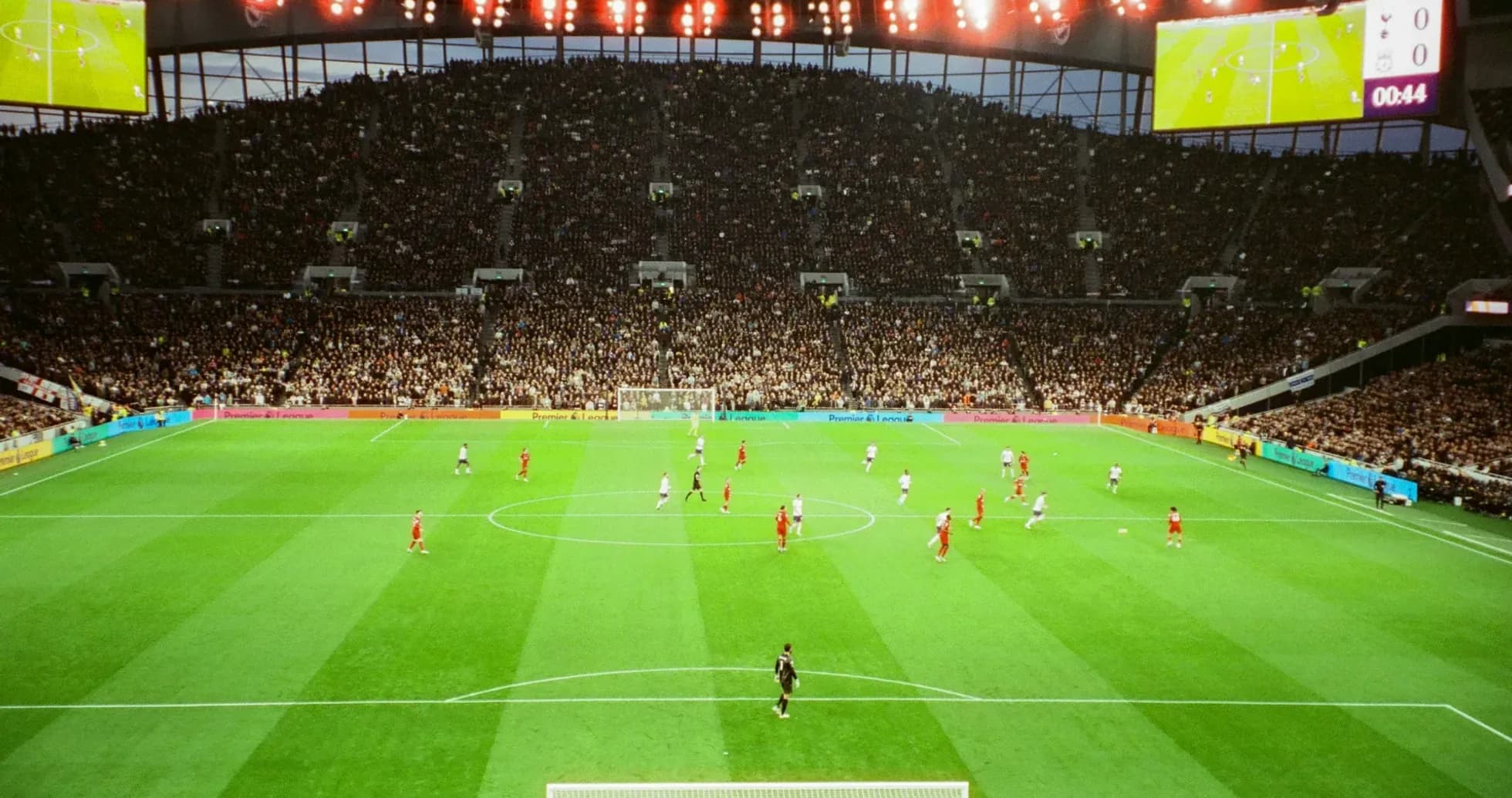
Under the Torreón lights at Estadio Corona, this Apertura – 6 fixture brought together two sides searching for direction rather than dominance. Santos Laguna, rooted in 17th place with just 1 point and a total goal difference of -7 (4 scored, 11 conceded), met a Tigres UANL team only marginally better off in 16th, on 5 points with a total goal difference of -2 (8 scored, 10 conceded). The 0-0 final scoreline told a story of stalemate, but the tactical layers beneath hinted at two very different projects trying to steady themselves.
I. The Big Picture – Systems in Search of Identity
Santos Laguna lined up in a bold 3-4-1-2, a clear departure from their more familiar 4-2-3-1 base that has been used in 4 of their 6 league outings. With no home goals at all heading into this game – 0 goals for and 2 against at home, averaging 0.0 goals scored and 0.7 conceded at Estadio Corona – the switch felt like a gamble born of necessity.
C. Acevedo anchored a back three of F. Pardo, F. Sanchez and E. Orona, with width provided by M. Cuevas and D. Gonzalez as nominal wide midfielders. Inside them, K. Palacios and A. Lopez were asked to be both screen and springboard, while F. Villalba operated between the lines behind the front pair of E. Bullaude and R. Sordo. On paper, it was an aggressive structure for a side that had failed to score in all 3 of their home matches and in 4 of their 6 games overall.
Tigres UANL, by contrast, leaned into continuity. Manuel Vucetich Rojas Victor kept faith with the 4-2-3-1 that has been their constant through all 6 league fixtures. N. Guzman stood behind a back four of V. Lorona, A. Franco, Joaquim and J. Garza. The double pivot of F. Gorriaran and Romulo provided the platform for an attacking trio of D. Lainez, J. Brunetta and D. A. Sanchez Guevara, supporting lone striker R. Aguirre.
Tigres arrived with a more balanced offensive profile: overall they had scored 8 and conceded 10, averaging 1.3 goals for and 1.7 against per match. On their travels specifically, they had 4 goals for and 8 against, with away averages of 1.0 scored and 2.0 conceded. That combination – a capable but not ruthless attack, and a leaky away defence – framed the night as a chance for Santos to finally break their home scoring drought.
II. Tactical Voids – Fragility and Discipline
Santos’ season-long issues have been structural as much as individual. Overall, they had failed to score in 4 of 6 matches, including every outing at home. The shift to a back three was an attempt to add an extra line-breaker from deep, but it also risked exposing a defence that had already conceded 11 goals overall, 9 of them on their travels. At home, though, they had been more solid: just 2 conceded, with 1 clean sheet.
Their disciplinary profile hinted at emotional volatility more than in-game rashness. A striking 37.50% of their yellow cards this season had arrived between 91-105 minutes, a late-game surge of frustration rather than tactical fouling. That pattern suggested a team that often chased games, losing control mentally as time ebbed away. The 0-0 here, with a clean sheet preserved, will feel like a psychological step forward.
Tigres came in with a very different disciplinary storyline. They had collected yellow cards throughout matches but were especially active late: 30.77% of their bookings arriving between 76-90 minutes. More telling were their reds – one between 46-60 minutes and another between 76-90 – underlining how their aggression can tip into self-sabotage when chasing results. F. Gorriaran embodied that edge: 3 yellow cards and 1 yellow-red overall, the heartbeat and the hazard in the same package.
From the spot, Tigres’ penalty record was another window into their inconsistency: 2 penalties taken in total, with 1 scored and 1 missed, a perfectly split 50.00% success rate that had to be acknowledged in any pre-match risk assessment. No such drama for Santos; they had neither won nor missed a penalty this campaign.
III. Key Matchups – Hunter vs Shield, Engine vs Enforcer
The headline duel was always going to revolve around J. Brunetta. As one of the league’s most influential midfielders, he arrived with 3 goals and 3 assists in total, 23 shots (12 on target), and 21 key passes from 250 total passes at an 83% completion rate. He is both Tigres’ top scorer and joint-top creator, and his presence in the left half-space behind R. Aguirre was the “hunter” axis of Tigres’ attack.
Santos’ “shield” was collective rather than individual. The back three of Pardo, Sanchez and Orona had to compress the zone where Brunetta thrives, while Palacios and Lopez were tasked with denying him easy receptions between the lines. Given Santos had kept 1 clean sheet at home heading into this game and conceded only 0.7 goals per home match, the question was whether that compactness could hold against a technician of Brunetta’s calibre.
In the engine room, the duel between F. Gorriaran and Santos’ double pivot was central to the narrative. Gorriaran arrived as a high-volume midfielder: 326 passes at 82% accuracy, 9 key passes, 15 tackles and 2 blocked shots, plus 3 yellow cards and a yellow-red. He is Tigres’ metronome and disruptor in equal measure. Against him, Palacios and Lopez had to balance bravery on the ball with positional discipline, knowing that losing duels in that zone would allow Tigres’ front four to attack Santos’ back three at pace.
Out wide, V. Lorona’s profile added another layer. With 2 yellow cards and a penchant for front-foot defending – 6 tackles and 6 interceptions – his battle with the Santos left side, particularly R. Sordo drifting into the channel, was about containment versus provocation. Sordo’s movement, coupled with the support of Cuevas, aimed to stretch Tigres’ back line and open pockets for Villalba and Bullaude.
Up front for Tigres, R. Aguirre carried both threat and risk. With 2 goals and 1 assist overall, plus a total red card to his name, he is a volatile focal point. His duels – 50 contested, 20 won – showed a striker who relishes physical battles. Up against a three-man defence, his role was as much about pinning and occupying as it was about finishing.
IV. Statistical Prognosis – A Stalemate with Subtext
On the numbers alone, Tigres entered as the side more likely to score. Their overall average of 1.3 goals per game and away average of 1.0 contrasted starkly with Santos’ total average of 0.7 and home average of 0.0. Conversely, Santos’ home defensive record – just 2 conceded in 3 matches – suggested that if they could keep Brunetta quiet and manage Gorriaran’s aggression, they could drag the game into their preferred territory: tight, tense, low-scoring.
The 0-0 final score fits that script. Santos preserved their home defensive solidity and added a second clean sheet overall, while their attacking drought at Estadio Corona continued. Tigres extended their away struggles, now with 4 away goals for and 8 against, but took a point and another clean sheet on their travels.
In tactical terms, this felt less like a breakthrough and more like a ceasefire. Santos’ 3-4-1-2 showed enough defensive coherence to merit further exploration, but their inability to convert structure into chances remains a glaring issue. Tigres, meanwhile, again depended heavily on Brunetta’s creativity and Gorriaran’s engine without finding the final incision.
For both sides, the draw stabilises rather than transforms. Santos gain a small foothold in a troubled Apertura; Tigres keep their head above deeper waters. The next chapter for each will depend on whether Santos can finally ignite at home, and whether Tigres can turn Brunetta’s artistry and Aguirre’s edge into consistent, decisive goals away from Monterrey.