San Diego Wave Fall to Bay FC in Tactical Battle
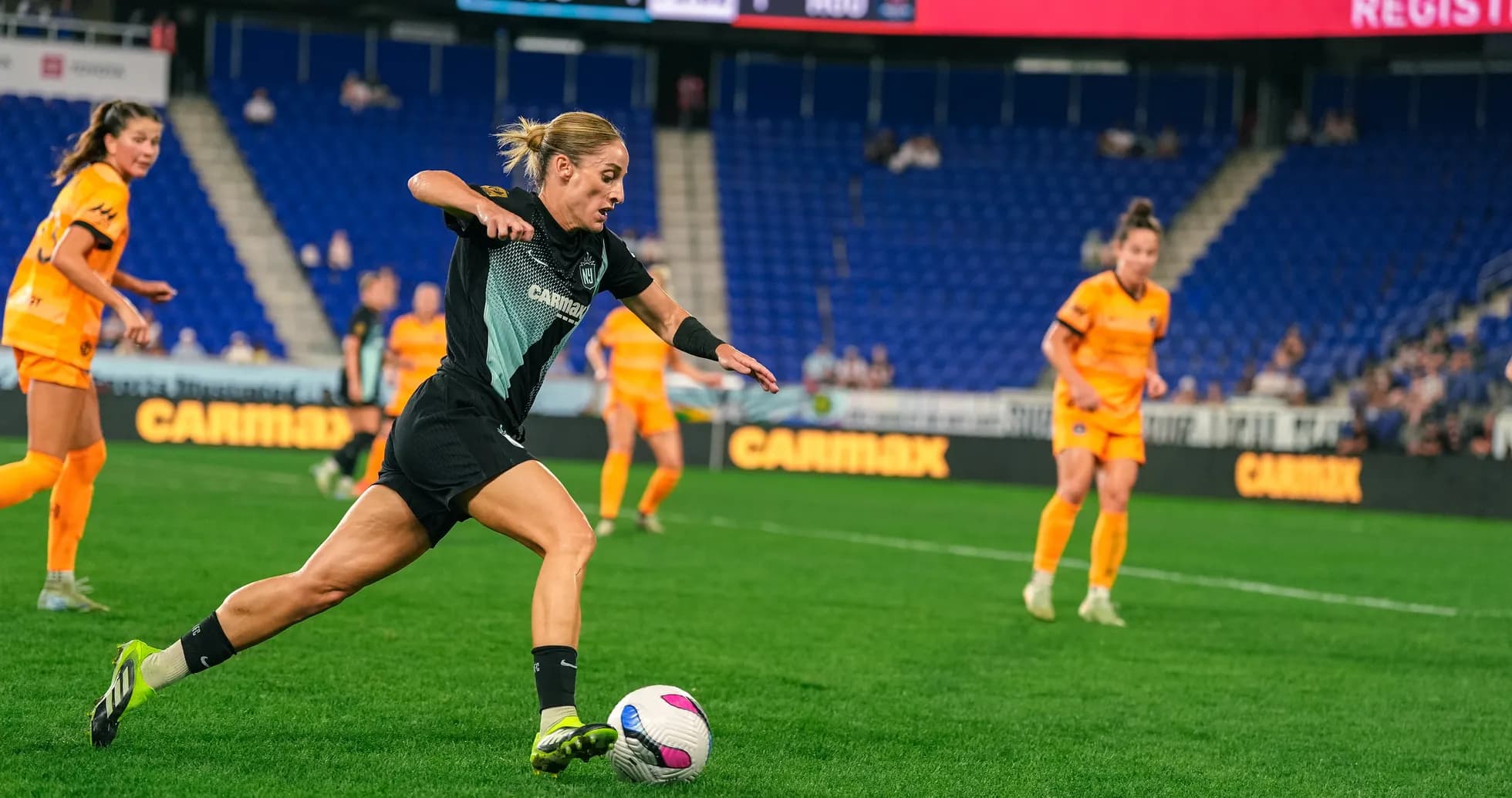
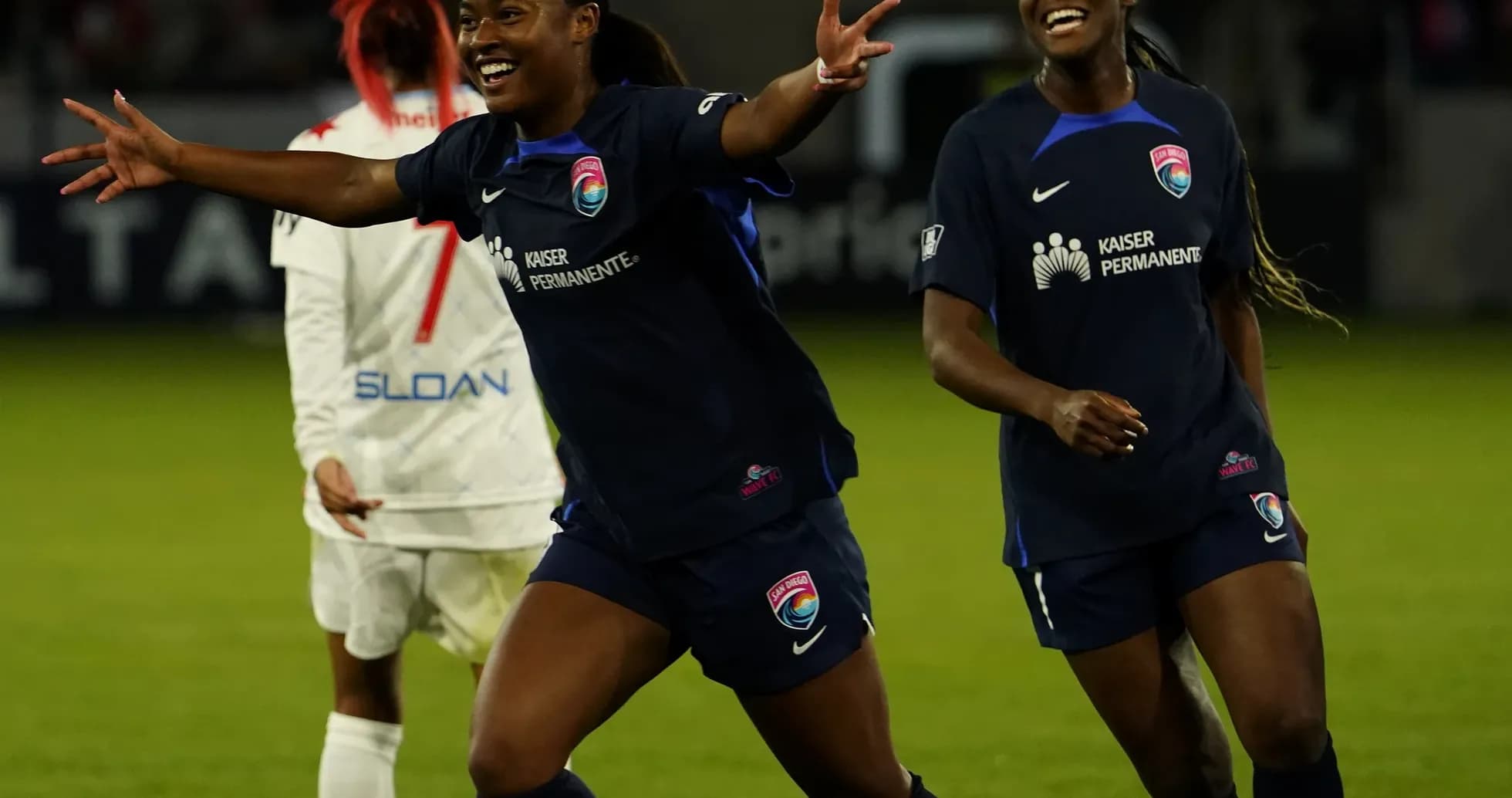
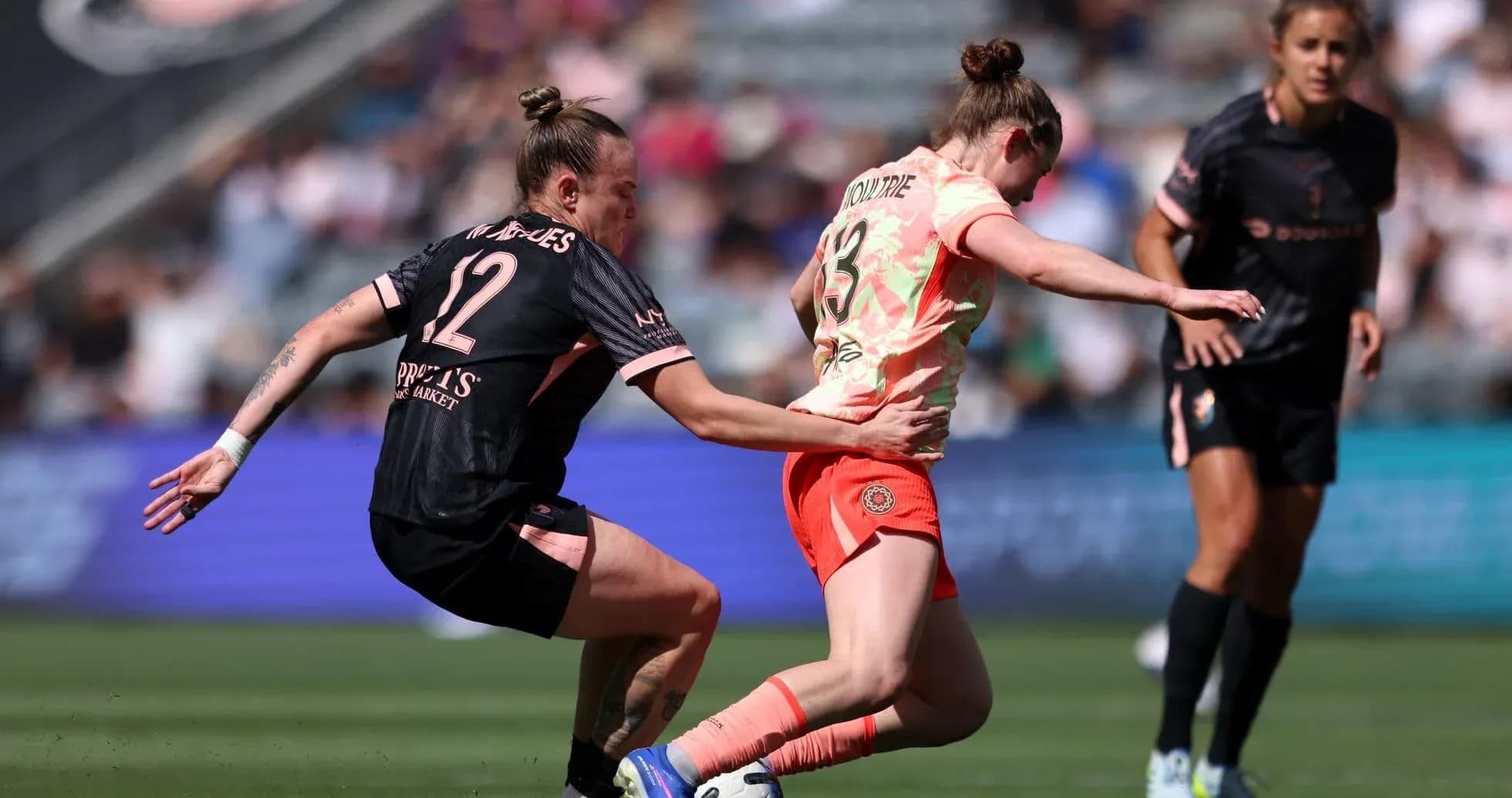
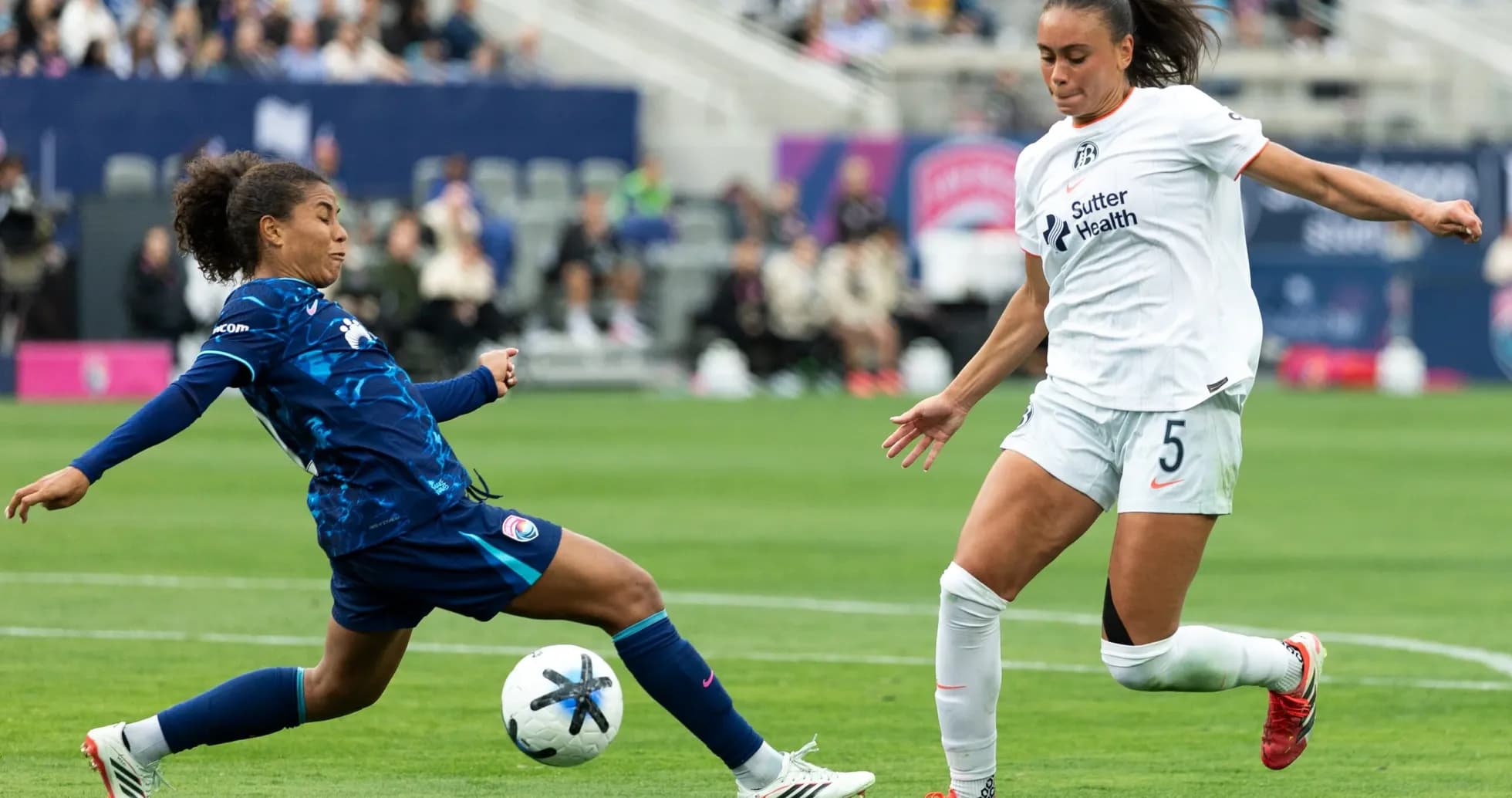
Snapdragon Stadium under the San Diego lights felt like a natural stage for a statement from one of the NWSL’s early pacesetters. Instead, this Group Stage fixture ended with San Diego Wave W edged 0–1 by Bay FC, a result that subtly but significantly reshapes the narrative for both squads.
I. The Big Picture – Two Different Arcs Crossing
Following this result, San Diego remain high in the NWSL Women standings, sitting 3rd with 15 points from 8 matches. Their overall profile still looks strong: 5 wins, no draws, 3 defeats, with 11 goals scored and 8 conceded. The goal difference of 3 underlines a side that generally controls margins rather than blows teams away.
At home, though, the aura of invincibility is fragile. Across the season they have played 4 times at Snapdragon, winning 2 and losing 2, with 5 goals for and 3 against. An average of 1.3 goals scored at home and 0.8 conceded suggests a team built on structure and control, yet this defeat adds another data point to a growing pattern: when they fail to find the early breakthrough, their attacking rhythm can stall.
Bay FC, by contrast, arrived as a mid-table project still searching for identity. They leave with a precious away win that fits neatly into their season’s split personality. In total this campaign, they have 3 wins and 3 losses from 6 matches, scoring 7 and conceding 10 for a goal difference of -3. On their travels, however, they have now taken 2 wins from 3 away fixtures, with 4 goals for and 4 against. The away average of 1.3 goals scored and 1.3 conceded paints them as a high-variance, high-risk unit that is increasingly comfortable living on that edge.
II. Tactical Voids and Disciplinary Undercurrents
Neither side had a published list of absentees, so the story is less about who was missing and more about how the coaches used what they had.
Jonas Eidevall doubled down on San Diego’s flexible identity by starting in a 4-3-3, one of the two formations they have alternated between this season (they have lined up 4 times in 4-3-3 and 4 times in 4-2-3-1 overall). The back four of P. Morroni, K. McNabb, K. Wesley and A. D. Van Zanten sat in front of D. Haracic, with a midfield trio of L. E. Godfrey, K. Dali and L. Fazer tasked with knitting build-up to the front line of Gabi Portilho, Ludmila and Dudinha.
Emma Coates kept Bay FC in their structural comfort zone: a 4-2-3-1 they have used in all 6 of their league matches. J. Silkowitz anchored a back four of A. Denton, J. Anderson, A. Cometti and S. Collins, with the double pivot of C. Hutton and H. Bebar protecting the central lane. Ahead of them, T. Huff, D. Bailey and R. Kundananji worked in support of central forward K. Lema.
Discipline has been a quiet but telling subplot for both teams this season. San Diego’s yellow cards cluster late, with 40.00% arriving between 46-60 minutes and a further 20.00% in each of the 61-75, 76-90 and 91-105 ranges. That pattern hints at a side that grows more aggressive or stretched as matches wear on. Bay FC’s profile is even more volatile: 21.43% of their yellows come between 76-90 minutes and a striking 28.57% between 91-105, plus a red card in that 91-105 window. T. Huff embodies that edge; she has already collected a yellow and a yellow-red this season while also contributing a goal and an assist.
In a tight 0–1, that disciplinary tension mattered. Bay’s ability to walk the line without tipping into chaos at Snapdragon was a small but crucial victory in itself.
III. Key Matchups – Hunter vs Shield, Engine Room vs Enforcer
The “Hunter vs Shield” storyline centred on San Diego’s emerging attacking core against Bay’s vulnerable defensive record. Heading into this game, Bay had conceded 10 goals in 6 matches, with a total average of 1.7 goals against per game and 2.0 at home. On their travels they were slightly more stable at 1.3 conceded on average, but this was still a defence that could be opened up.
San Diego’s offensive spearhead is increasingly defined by L. E. Godfrey and Dudinha. Godfrey, a midfielder with 4 goals and 1 assist in 8 appearances, is ruthlessly efficient: 6 total shots, 5 on target, and 145 passes at 82% accuracy. She is less a volume shooter and more a timing specialist, arriving late and clean into spaces others have created. Dudinha, with 2 goals and 3 assists, is the chaos agent: 14 shots (7 on target), 27 dribbles attempted with 14 successful, and 12 key passes. She draws 13 fouls and constantly forces defensive recalibration.
Against them stood a Bay back line shielded by C. Hutton. Hutton’s numbers are those of a pure enforcer: 212 passes at 74% accuracy, 13 tackles, 2 blocked shots and 13 interceptions. She is also one of Bay’s most card-prone players, with 2 yellows already, which made her duel with Godfrey in the half-spaces a delicate balancing act. Every time Godfrey tried to step between the lines, Hutton was there to contest the zone, even at the risk of another booking.
Higher up, the “Engine Room” clash matched K. Dali and L. Fazer against Bay’s double pivot of Hutton and Bebar. Dali’s role as connector was to feed the front three early and often, while Fazer’s energy was meant to pin Bay’s midfield deeper than they would like. Yet Bay’s 4-2-3-1 compacted centrally, funnelling San Diego wide and trusting Cometti and Anderson to deal with crosses and cutbacks.
On the other side, Bay’s own creative thread ran through T. Huff and the absent-from-stats but present-on-pitch movement of Kundananji and Bailey between lines. Huff’s season profile – 1 goal, 1 assist, 5 shots on target from 5 total, plus 12 tackles – shows a two-way midfielder who can both press and punish. Her positioning between San Diego’s lines made it difficult for the Wave to commit both full-backs forward without fear of transition.
IV. Statistical Prognosis – A Narrow Scoreline, A Wider Story
Following this result, the numbers suggest a nuanced shift rather than a dramatic re-write.
San Diego’s total attacking averages (1.4 goals scored per match overall, 1.3 at home) now sit in tension with a reality in which they have already failed to score in 3 matches this season. Their defensive base remains solid – 1.0 goal conceded on average overall, just 0.8 at home – but when they do concede first, their structure and patience can morph into predictability.
Bay FC, for their part, continue to live in extremes. They have no draws in 6 matches, with 3 wins and 3 losses, and a total goals against average of 1.7 that still speaks of fragility. Yet their away record – 2 wins from 3, 4 goals for and 4 against – now looks less like a small-sample anomaly and more like the beginning of an identity: opportunistic, vertical, and unafraid to suffer.
In xG terms, this felt like a contest where San Diego probably generated a decent volume of half-chances without the clear, high-value looks their model thrives on. Bay’s plan, by contrast, was to compress the central lane, trust Hutton and Bebar to disrupt Godfrey and Dali, and spring quickly into the spaces behind Morroni and Van Zanten. A single well-timed transition, or a moment of individual quality, was always likely to decide it.
The tactical lesson is sharp. For San Diego, the next step is to better align their creative fulcrums – Godfrey’s timing, Dali’s passing, Dudinha’s dribbling – against compact mid-blocks like Bay’s 4-2-3-1. For Bay, this 0–1 away win validates a blueprint: keep the structure tight, lean on Hutton’s defensive reading and Huff’s box-to-box engine, and trust that their front four can manufacture enough threat to tilt the margins in their favour.