Iran's World Cup Journey Amid War and Visa Issues
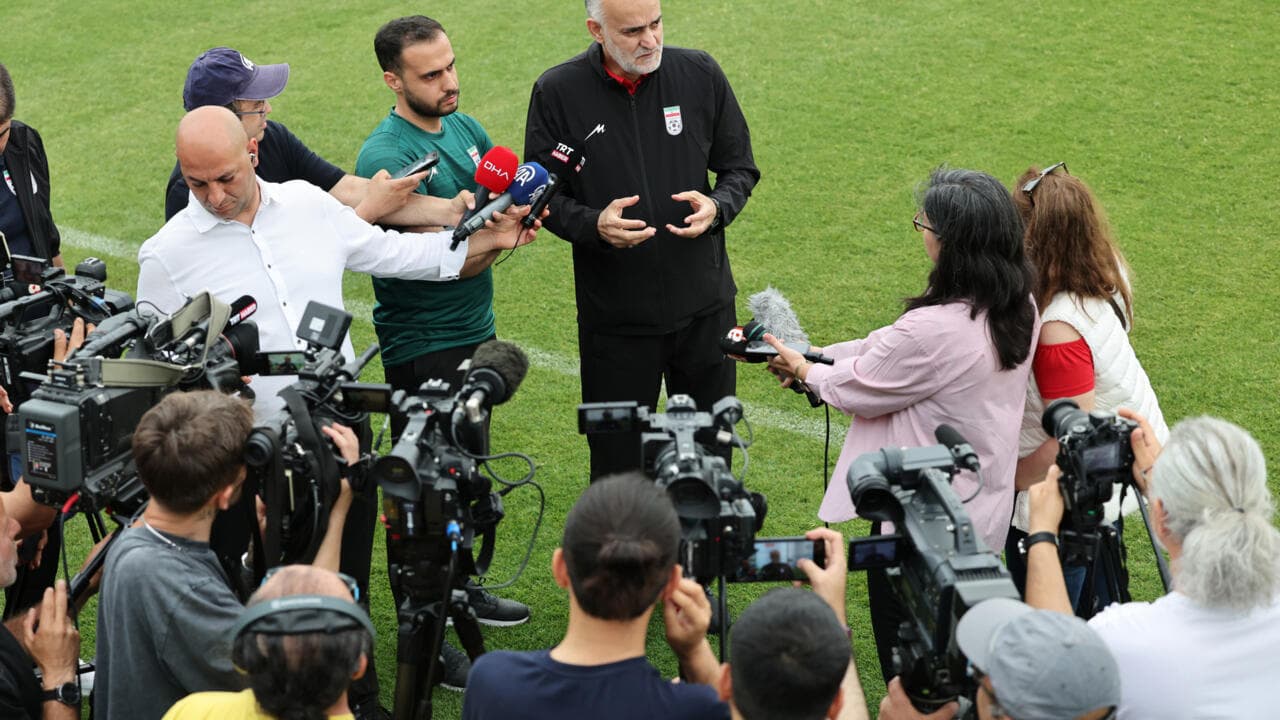
Iran’s national team slipped into Turkey on Monday, not for a friendly or a quick tune‑up, but for a long, uneasy wait before a World Cup like no other.
They will spend several weeks at a pre‑tournament camp, sharpening tactics and fitness in relative calm while their country is under bombardment. The World Cup is being co‑hosted by the United States, which, alongside Israel, began bombing Iran on February 28, igniting a wider war across the Middle East. Against that backdrop, the usual countdown to football’s biggest stage feels starkly different.
Preparing for a World Cup in a time of war
On the surface, the message from the Iranian camp is one of order and composure.
“Everything will proceed properly according to the protocols and what FIFA has stipulated,” said national team director and federation vice-president Mehdi Mohammad Nabi, outlining a plan that leans heavily on experience and procedure rather than emotion.
He pointed to the structures already in place inside the host nation.
“Inside the United States, they also have committees in place, including a security committee that cooperates with FIFA and is responsible for security matters,” he said, noting that Iran know this terrain. “In past years we've experienced all of this and we're fully informed about how these security committees operate at every World Cup we've participated in. In this regard, we're very confident and we have a clear plan.”
The words are calm. The context is anything but.
Visas still in limbo
For all the talk of planning, one basic requirement remains unresolved: getting into the country that is co‑hosting the tournament and leading the bombing campaign.
Iranian officials have already confirmed that players and staff do not yet have US visas. The federation intends to file the applications at the Canadian embassy in Turkey, a diplomatic workaround that underlines how politically charged this World Cup will be for them.
“We're not certain yet that all the players and staff will receive US visas,” Mohammad Nabi admitted.
That uncertainty cuts to the heart of FIFA’s own rules. A World Cup host must do more than provide stadiums and infrastructure; it must guarantee that every qualified team can actually enter the country.
“One of the rules that applies to the host country is that they must provide guarantees, according to FIFA's statutes and the regulations of the competition,” he said. “One of their commitments is the visas: they have to grant the necessary visa facilities to all the teams that have qualified for the World Cup. And FIFA has made arrangements so that the host country will provide the necessary cooperation to teams like Iran in this area.”
So the squad trains in Turkey, runs drills, studies opponents – and waits for passports to be stamped.
A demanding Group G and a desert base
On the pitch, the challenge is clear and unforgiving.
Iran open their Group G campaign against New Zealand in Los Angeles on June 15. It is the kind of fixture that, in another year, might be framed as a must‑win tone‑setter, a chance to seize control early in a balanced group.
Next comes Belgium, also in Los Angeles – a step up in pedigree, depth, and expectation. Then Egypt in Seattle, a clash layered with its own regional resonance and competitive edge.
Iran will be based in Tucson, Arizona, during the tournament, using the desert city as their hub. From there, they will fly into the coastal frenzy of Los Angeles and the cooler, football‑savvy atmosphere of Seattle, trying to keep their routine intact while events at home and in the skies above the region threaten to intrude on every quiet moment.
The logistics are mapped out. The fixtures are set. The training camp in Turkey is underway.
Now the question hangs over everything: when the World Cup kicks off in the United States, will Iran arrive as just another contender – or as a team still fighting simply to cross the border and play?