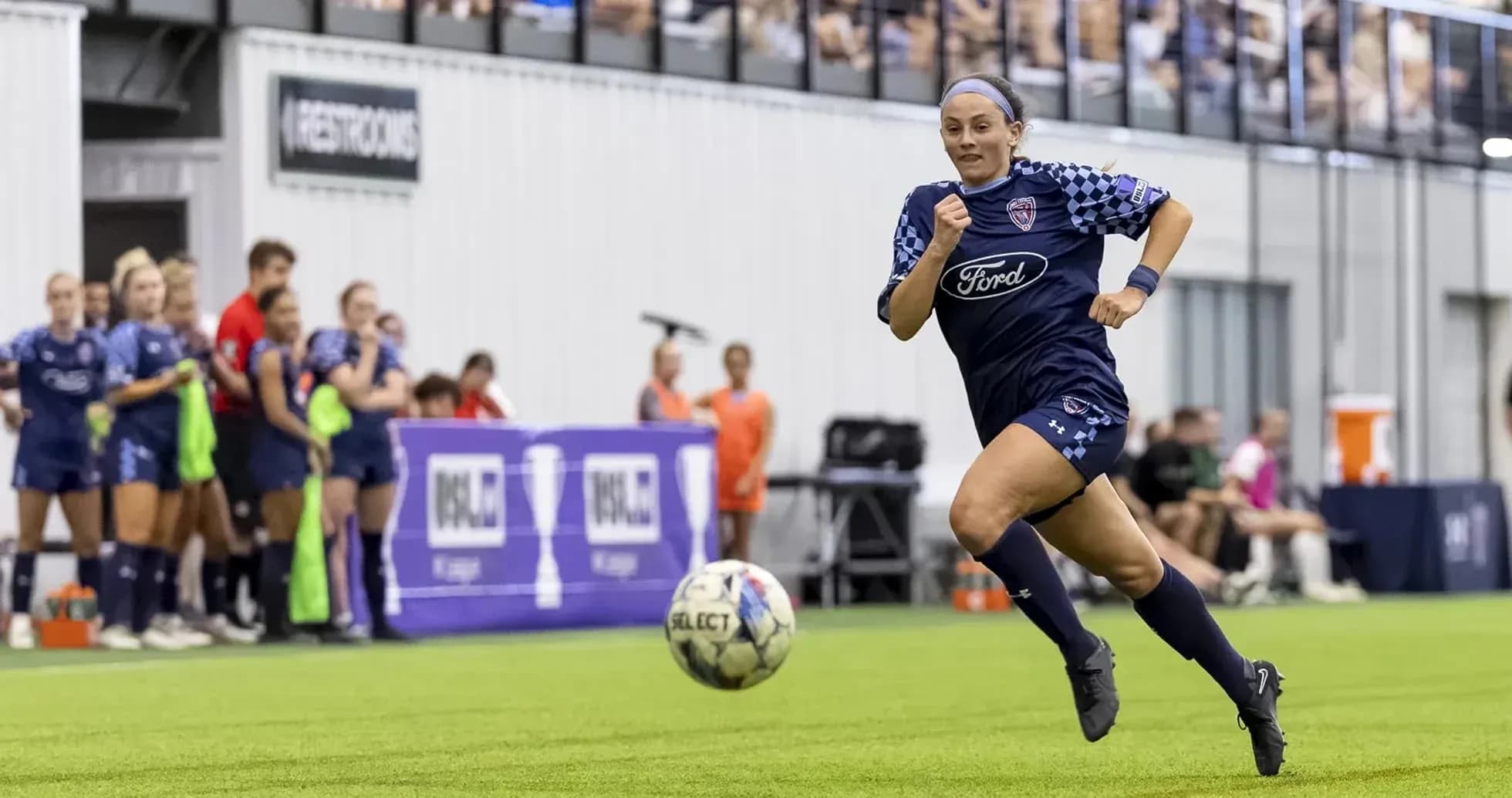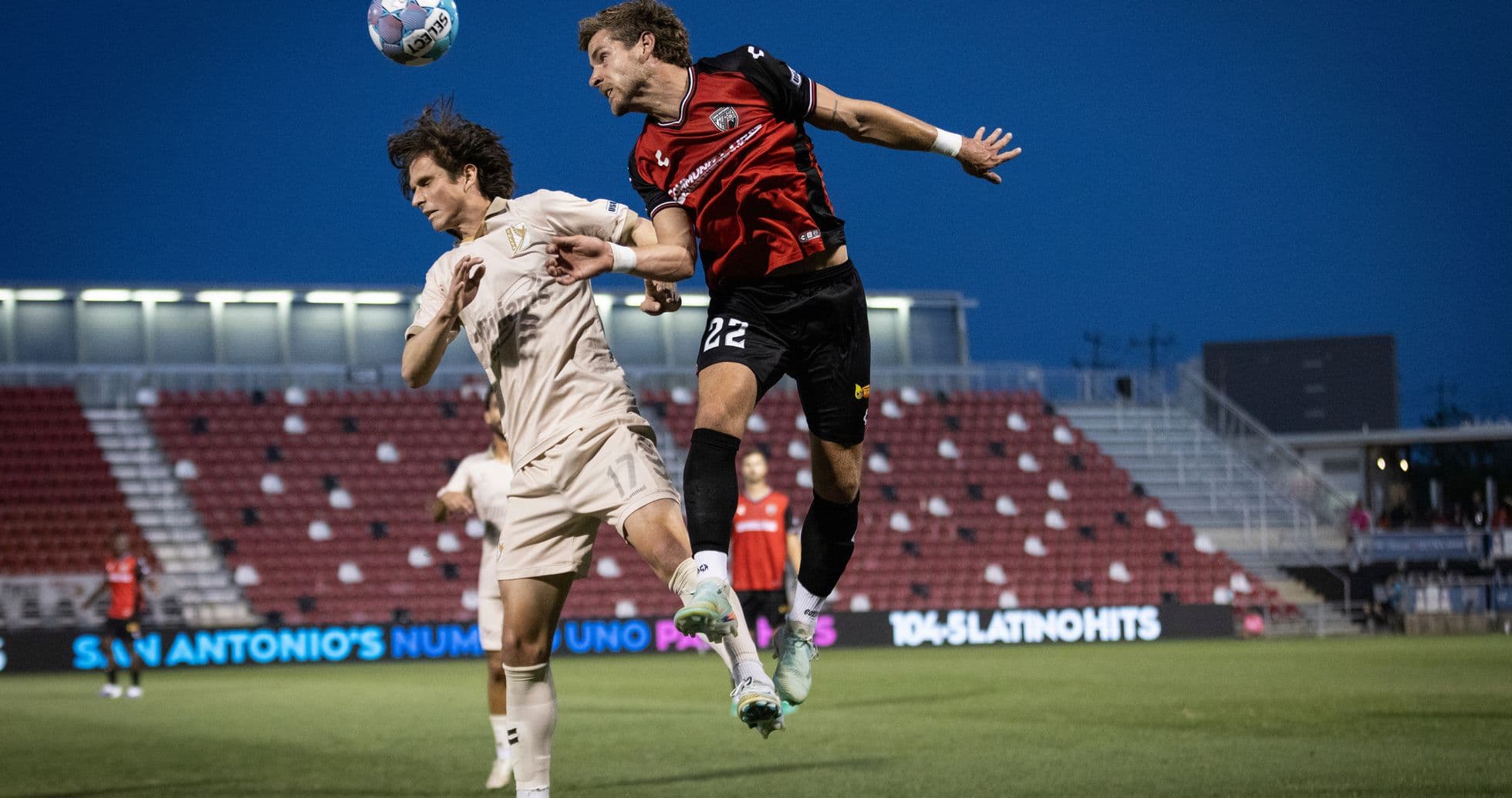
San Antonio Triumphs Over FC Tulsa in USL League One Cup
Under the Tulsa lights at ONEOK Field, the narrative of Group 3 in the USL League One Cup tilted decisively in San Antonio’s favour. Following this result, a 2–1 away win after trailing 1–0 at half-time, San Antonio cemented top spot in the group, while FC Tulsa were left to reckon with a home campaign that has never quite aligned with their broader ambitions.
I. The Big Picture – contrasting identities in Group 3
The table tells the story with stark clarity. Heading into this game, FC Tulsa sat 2nd in Group 3 with 4 points, a negative goal difference of -1 derived from 5 goals scored and 6 conceded overall. At home, their record was fragile: 2 matches played, 0 wins, 0 draws, 2 defeats, with 2 goals for and 4 against. On their travels, by contrast, they had been perfect, winning their only away fixture 1–0 and keeping their only clean sheet of the competition.
San Antonio arrived as the group’s standard-bearer. Heading into this game they were 1st with 8 points, a positive goal difference of 4 built on 6 goals for and only 2 against overall. Their defensive record was particularly imposing: 1 home match with no goals conceded, and 2 away fixtures yielding just 1 goal against. Across the campaign they had three wins from three in the statistics snapshot, with a total goals-against average of just 0.3 per match and a total goals-for average of 1.3, underpinned by a three-game winning streak and two clean sheets.
That defensive steel and away resilience ultimately defined the night in Tulsa. The hosts struck first and went into the interval 1–0 up, but San Antonio’s capacity to absorb pressure and then flip the script turned the second half into a controlled away performance, the 1–2 full-time scoreline echoing their biggest away win pattern in the data.
II. Tactical Voids and Discipline – where the cracks appeared
There were no explicit absentees listed, so the tactical voids here are structural rather than personnel-driven. Luke Spencer’s FC Tulsa side have been undone by the same pattern throughout the group: at home they concede too often and too cheaply. Their total goals-against average at home stands at 2.0, double their total scoring rate of 1.0, a structural imbalance that resurfaced once San Antonio raised the tempo after the break.
Tulsa’s disciplinary profile has been a quiet subplot of their campaign. Their yellow cards are spread across the match, but there is a clear spike between 46–60 minutes (28.57% of their total yellows) and another late in the 76–90 window (21.43%). More worrying is the red-card distribution: 100.00% of their total reds arrive between 76–90 minutes. Even when they avoid a dismissal, that tendency toward late, frantic defending hints at a side that struggles to manage game states under pressure.
San Antonio’s card map is calmer but still telling. Their yellows cluster at the bookends of each half: 25.00% between 31–45 minutes and 37.50% from 76–90, with additional incidents in the opening 0–15 and 61–75 ranges. They push the line in the closing stages but, crucially, they have no reds in any time band. It is controlled aggression rather than chaos, and in Tulsa that edge in discipline helped them ride out the early setback and dominate the decisive phases.
III. Key Matchups – Hunter vs Shield and the Engine Room
Hunter vs Shield
Without explicit top-scorer data, the “Hunter” is collective rather than individual. FC Tulsa’s attack is modest but functional: 3 goals in total across 3 fixtures, averaging 1.0 both at home and away, and they have yet to fail to score in any match. The problem is what lies behind them. Overall they concede 4 goals in 3 games, with a total average of 1.3 against, but that number is driven up heavily at home where they allow 2.0 per match.
Across from them, San Antonio’s “Shield” has been one of the defining units of the group. On their travels they concede just 0.5 goals per game, and overall their defence has allowed only 1 goal away and 0 at home, for that total average of 0.3. They have already shown they can win 1–0 at home and 1–2 away, and the pattern repeated here: even after conceding first, the away back line, marshalled by figures like A. Crognale and M. Taintor, tightened the screws and allowed the attack the platform to overturn the deficit.
Engine Room – creators vs controllers
In the middle third, this contest was shaped by two contrasting midfields. For FC Tulsa, the likes of G. Colli, J. Kocevski and J. Webber were tasked with stitching together a side that has never failed to score but rarely controls matches at home. Their job was to find the channels for wide threats such as B. Sparks and the movement of R. Cabral, while protecting a back line featuring L. Batista and L. Stauffer that has struggled on this pitch.
San Antonio’s engine room, built around N. Blanco and J. Hernandez, carried a different brief: maintain the defensive integrity that has delivered 2 clean sheets overall and feed a flexible front line of E. Cuello and C. Sorto. Behind them, the double-duty of players like A. Ward and D. Barbir in wide or hybrid roles allowed Carlos Llamosa’s side to shift between a conservative block and an aggressive press once they fell behind.
The substitution benches hinted at further tactical levers. FC Tulsa had creators like Bruno Lapa and K. Elmedkhar in reserve, plus the physical presence of A. Cissoko and the energy of N. Pierre and Z. Siranga. San Antonio could counter with defensive reinforcements such as A. Souahy and R. Buckmaster, and midfield or attacking options like L. Haakenson and C. Calov to tilt the game if needed. The final scoreline suggests San Antonio’s adjustments, whether in structure or personnel, were more decisive.
IV. Statistical Prognosis – why this result made sense
Even without explicit xG numbers, the season-long statistical profiles point towards the outcome we saw. San Antonio’s total goals-for average of 1.3, combined with a total goals-against average of 0.3, describes a side that habitually wins tight matches and rarely needs to chase chaotic scorelines. Their away record—2 matches, 2 wins, 3 goals scored, 1 conceded—foreshadowed exactly the 1–2 pattern that unfolded in Tulsa.
FC Tulsa, by contrast, entered with a total goals-for average of 1.0 and a total goals-against average of 1.3, but the home split was more ominous: 2 goals scored and 4 conceded across 2 fixtures at ONEOK Field. The numbers suggested they could strike first but were unlikely to keep San Antonio out over 90 minutes, especially given their tendency to pick up a high volume of cards in the second half and late on.
Following this result, the story of Group 3 is one of a ruthless, structurally sound San Antonio side confirming their superiority, and a talented but brittle FC Tulsa team whose home vulnerabilities have cost them dearly. The data never promised a comfortable night for the hosts; it promised a contest where any early Tulsa joy would be tested by San Antonio’s relentless, disciplined response. Over 90 minutes, that is precisely what played out.