The Rising Costs of Transfers in English Football
While the game's biggest stars scrap for a world crown across the Atlantic, the real arms race in English football is unfolding in boardrooms and WhatsApp groups, not on the pitch.
No whistles. No tackles. Just numbers that make your eyes water.
On Wednesday, the market lurched again. Word emerged that Tottenham Hotspur had agreed a deal to sign Newcastle United midfielder Sandro Tonali for a basic £92.5million, with a further £7.5m in achievable add-ons. A £100m midfielder, and not even the headline act of the week.
Hours later, Spurs confirmed the arrival of West Ham United midfielder Mateus Fernandes in a club-record £85m transfer. That benchmark, proudly announced, is already on borrowed time.
Because Manchester City have gone bigger still. Their agreement to sign Nottingham Forest midfielder Elliot Anderson for £116m has pushed the bar into territory that, even by Premier League standards, looks wild.
So what exactly is happening to this market?
Liverpool’s shadow over a runaway window
Price inflation is nothing new. What £20m bought a decade ago barely gets you in the conversation now. Fees rise, wages rise, the game moves on.
Yet this summer’s deals feel different. It is not just the numbers, but the profile of the players and the clubs paying them. Good players, some still short of elite status, are now commanding sums that used to be reserved for the absolute superstars of the sport.
Liverpool know this landscape well. They have helped shape it.
Last summer, they tore up their own script. A club that prides itself on value and timing suddenly started swinging like a heavyweight. First came Florian Wirtz for £116m. Then Alexander Isak arrived in a £125m deal that smashed their own transfer record for the second time in the same window.
The overall outlay? Close to £450m, the highest spend by any club in Premier League history in a single window. Arsenal, the eventual champions, posted the biggest net spend, but Liverpool’s gross commitment sent a clear message: this is what top-tier talent now costs.
Those numbers have not faded into the background. They have become reference points.
When Liverpool buy big, everyone else takes note
Liverpool’s recruitment team often work off comparison. They set valuations by looking across the market at similar players: age, position, output, contract length. That logic applies most sharply when they sell.
So when Curtis Jones enters the final 12 months of his current deal, Liverpool do not simply accept a discount. They want more than £30m for the midfielder because they have watched others of similar age, standard and contract situation move for far more than that. If those are the going rates, they intend to live by them.
They are not alone. Clubs across Europe are doing the same maths, and the ripple effect is obvious.
Paris Saint-Germain have looked at the trend and planted a nine-figure valuation on Bradley Barcola. RB Leipzig, having seen Liverpool test their resolve with an £86m move for Yan Diomande, felt in no way compelled to sell. The Ivorian winger has been linked with PSG and, with that in mind, Leipzig can afford to wait for the next escalation.
The danger for everyone else is clear. When very good but not yet world-class players start changing hands for huge sums, the base price for the next tier rockets. The truly elite become almost unreachable.
FSG’s balancing act in a distorted market
Fenway Sports Group have long worn their transfer approach as a badge of honour. They back their data, their timing, their ability to spot an opportunity before the rest of the market wakes up.
The signing of Spain international winger Victor Munoz from Osasuna last month is a case in point. Liverpool triggered his £34.5m release clause, stepping in decisively rather than getting dragged into an auction. That is the sort of deal that suits them: clear value, controlled risk, strong upside.
They still need that edge. Even after last summer’s splurge, Liverpool do not have the same financial firepower as some of their domestic rivals. Different ownership models, different revenue streams, different levels of tolerance for risk.
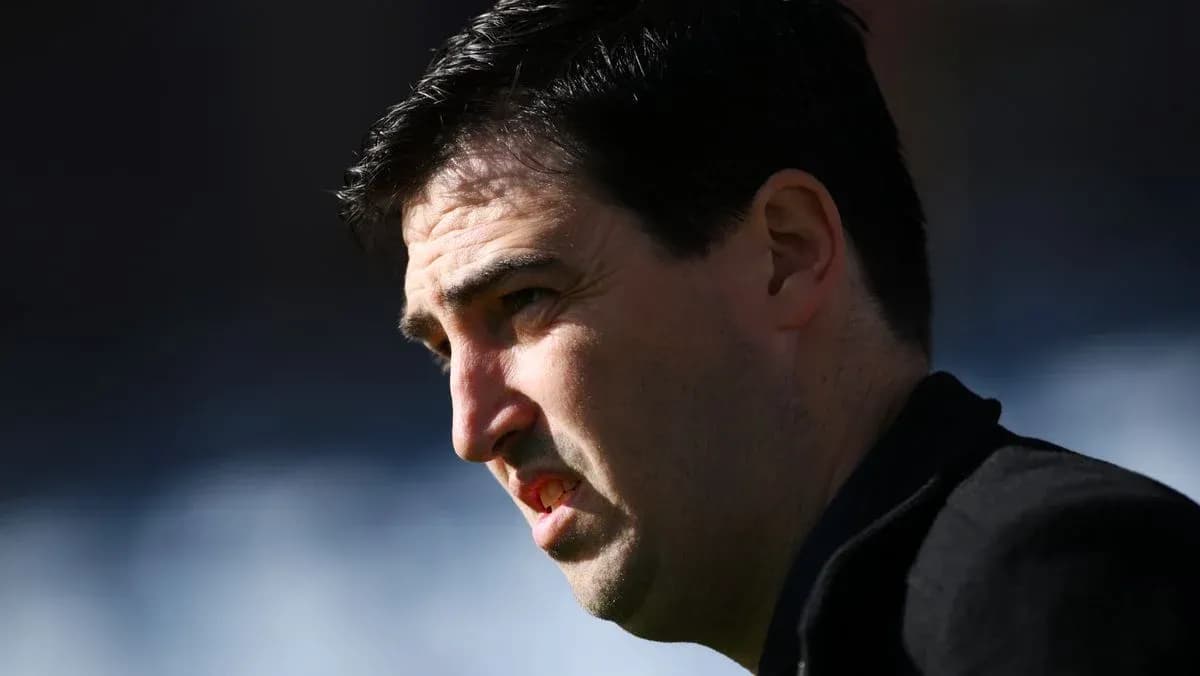
Andoni Iraola’s squad still has gaps that need filling. Important ones. But the kind of player who can walk straight into a side chasing major honours now comes with a price tag that can blow up even the most carefully drawn-up recruitment plan.
That reality helps explain a noticeable shift in Liverpool’s strategy. They are leaning harder into younger targets, players with room to grow and value to gain, rather than paying the absolute premium for the finished article. Potential over polish, at least in certain positions.
A window where “expensive” is the new normal
This summer has not crept up quietly. It has exploded.
Tonali at £92.5m plus add-ons. Fernandes at £85m. Anderson at £116m. Fees that would once have defined an era now risk being overtaken within days.
Liverpool helped set the pace last year. Now they must live with the consequences of the market they helped inflate.
They are only just getting started in this window. The needs are obvious, the targets harder than ever to land. One thing, though, is already beyond doubt.
For Liverpool, and for everyone else with serious ambitions, the cost of the best has never been higher. And there is no sign the numbers have peaked yet.