Racism Overshadows Thrilling 3-3 Draw at Hill Dickinson Stadium
The night should have been remembered for the football. A wild 3-3 draw, momentum swinging from one end to the other, chaos under the lights at Hill Dickinson Stadium. Instead, it has been stained by racism – inside the ground and online.
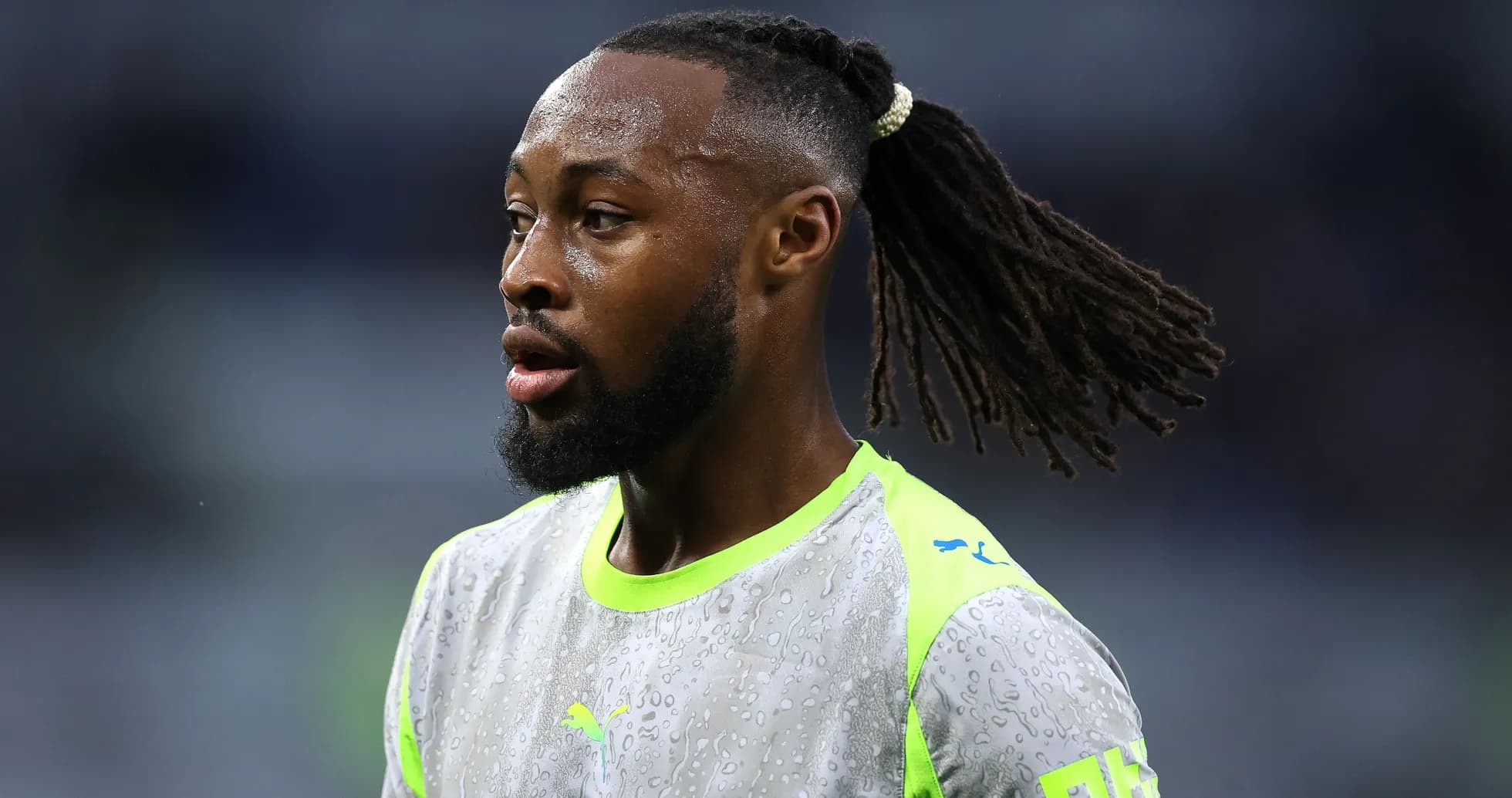
Manchester City confirmed that a 71-year-old man from Nottinghamshire has been arrested on suspicion of a racially aggravated public order offence, after supporters and stewards reported that Antoine Semenyo was subjected to racist abuse during Monday’s fixture. The incident, alleged to have taken place in the stands, was flagged quickly, and the response from authorities followed just as fast.
Merseyside Police moved in after the game. The man was later released on bail, but under strict conditions: he is barred from going within one mile of any designated sports stadium for up to four hours before and after matches. A clear line has been drawn. Cross it, and you face consequences.
City did not temper their language. In a firm statement, the club said they “welcome the swift action taken by Everton and the police to identify the individual responsible,” underlining that this was not something to be brushed aside as background noise to a dramatic match. For them, this is non-negotiable territory.
The ugliness did not end with the final whistle or even with Semenyo. Once the players had left the pitch and the stadium began to empty, the abuse moved to its most toxic modern arena: social media.
Marc Guéhi, who had made a costly mistake in a frantic second half that allowed Everton back into the game, found himself targeted by a wave of racist posts online. A defensive lapse became an excuse for something far darker. The club’s statement captured the anger and exhaustion that comes with seeing the same pattern repeat: “We are also incredibly disappointed to hear that Marc Guéhi was subject to a series of vile racist social media posts last night.”
The match itself, a breathless 3-3 draw, should have dominated the headlines. Instead, the football felt secondary, overshadowed by events that once again forced the sport to confront an old, stubborn problem.
City responded by restating a stance they have repeated many times, but clearly feel compelled to keep hammering home. They described their policy as one of absolute zero tolerance to any form of prejudice and made it clear that behaviour of this kind has no place in football or in society. “Manchester City strongly condemns the racist abuse directed towards Antoine Semenyo at yesterday’s match,” read the official release, the wording sharp and deliberate.
Condemnation, though, is only one part of the response. The club also moved to protect their players, stressing that both Semenyo and Guéhi will not be left to deal with the fallout alone. City have promised comprehensive care and resources to help them navigate the aftermath of these attacks, and they were unequivocal in their closing message: “We will continue to offer our full support to both Antoine and Marc and never accept discrimination of any kind in our game.”
The scoreline will fade. The individual errors and moments of brilliance will blend into the long run of a season. What lingers is the question football still cannot escape: how many more times will players have to endure this before the message finally hits home?