
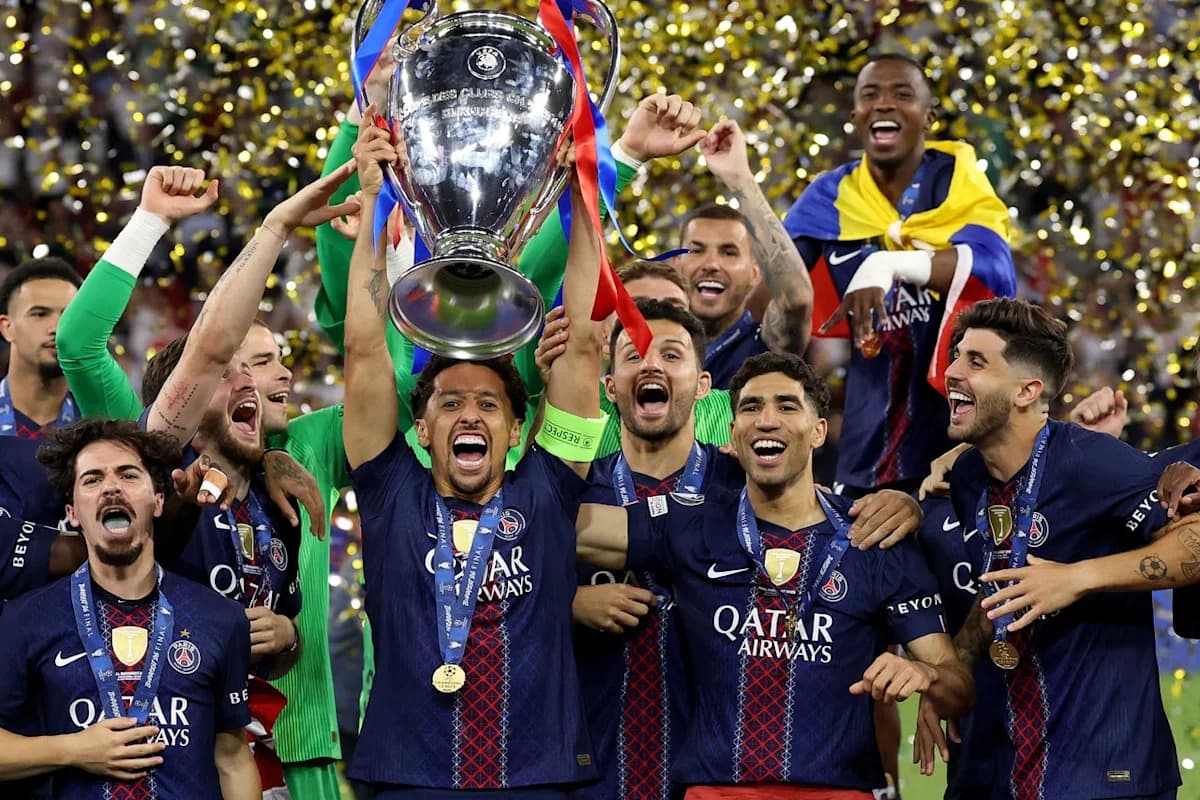
PSG's Champions League Edge Poses Unique Challenge
Champions League Format Shapes PSG’s Strategy and Challenges Rivals
In the weeks following the 2026 Champions League final, Mikel Arteta was consumed with one question: how to overcome Paris Saint-Germain. Arsenal's recent Premier League triumph was overshadowed by the challenge of defeating a team aiming for a third consecutive European title.
PSG's dominance isn't just about being the best; it’s also about how the competition's structure benefits clubs from leagues like Ligue 1 or the Bundesliga. This dynamic has sparked debates over whether English financial clout truly translates into Champions League success.
PSG’s Approach to the Group Stage
Remarkably, PSG often show little concern during the group phase, finishing 15th and 11th in previous seasons. Despite these low rankings, they power through the play-offs and peak when knockout rounds begin. Their ability to elevate performance at critical moments sets them apart.
This trend reflects broader changes in European football. The early group stage no longer holds the excitement it once did, partly because prize money now solidifies a tiered system where top clubs dominate. Still, the group phase offers moments of drama and introduces fresh teams like Como, LASK, Viking, and Sabah to the spotlight.
Other Notable Storylines
- Manchester United return to Old Trafford, rekindling their Champions League spirit.
- Jose Mourinho seeks a third title with Real Madrid, 16 years after his last win.
- It’s the first season without Pep Guardiola since 2012, raising questions about Manchester City’s prospects.
- Liverpool manager Andoni Iraola faces adapting to the physical demands of the Champions League in his debut campaign.
The group stage often feels like a drawn-out domestic league, blending into the regular schedule as 'wallpaper football'—always present but lacking urgency.
Teams Manage Fatigue and Focus
With UEFA's tennis-style fixed route format in its second year, some elite clubs seem to conserve energy during the eight-match league phase, preparing their strongest lineups for later rounds. This strategy highlights a growing attitude among rich clubs prioritizing knockout success over early fixtures.
English teams reflect this trend; none were eliminated in the group phase last season. Even Tottenham Hotspur, despite a tough campaign, finished fourth in their group but weren't truly Europe's fourth-best team, as shown by Atletico Madrid's stronger showing later.
The intense competitiveness of the Premier League, paired with substantial financial resources across all clubs, makes balancing league survival and European ambitions challenging.
Expanded Champions League Versus Premier League Power
The new group phase unintentionally balances concerns about Premier League dominance. Some European giants continue to push back against English influence, evident in the clash between FIFA and UEFA and past Super League attempts. This expanded format competes with the Premier League, affecting scheduling and player workload.
One area where the Premier League falls short is star power. Clubs like Real Madrid, Barcelona, and PSG generate higher revenues and offer bigger wages, which can extend players' peak careers.
For example, Rodri’s move to Barcelona not only brought him home to LaLiga but also bolstered their chances as Champions League contenders for the first time since 2019. His presence addresses significant tactical needs, complementing contributions from young talent like Lamine Yamal and the strategic approach under Hansi Flick.
Looking Ahead
With PSG poised to continue their dominance, other clubs must figure out ways to counter them. Despite a slow start this season, PSG’s experience in finishing strong is unmatched. That challenge has been central to Arteta’s focus on raising Arsenal’s level. If PSG doesn’t claim the trophy, others will need to be ready to find solutions to their superiority.



